GULF ARAB STATES BEAR HEAVY COST OF MIDDLE EAST WAR UAE HIT HARDEST
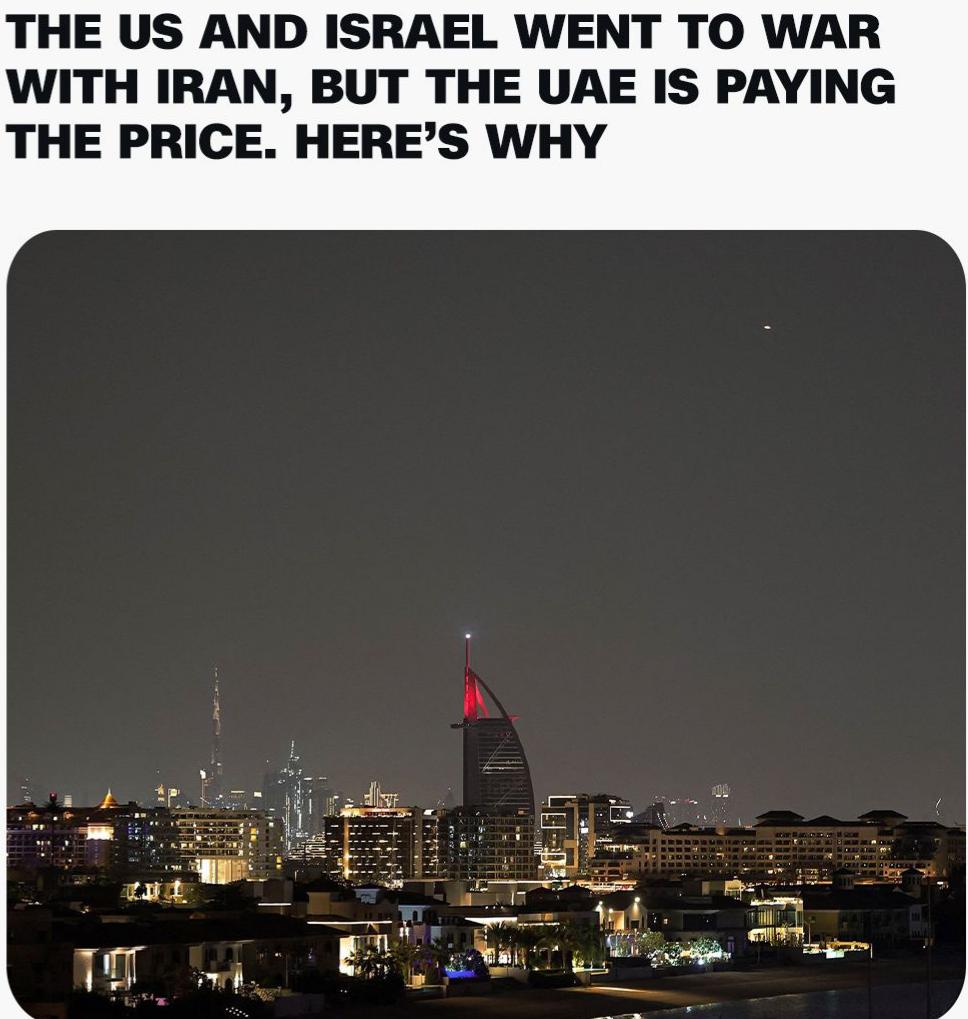
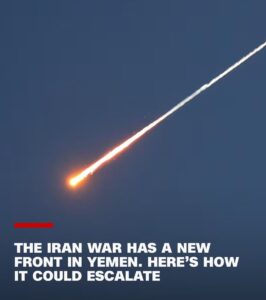
GULF ARAB STATES BEAR HEAVY COST OF MIDDLE EAST WAR UAE HIT HARDEST The United States and Israel’s offensive against Iran has drawn regional retaliation that is exacting a steep toll on Gulf Arab nations, with the United Arab Emirates emerging as the most exposed and impacted neighbor in the conflict, according to reporting Eleven days into the war triggered by U.S.‑Israeli strikes on Iran, Iran has launched thousands of missiles and drones toward Gulf states, but the UAE has borne the brunt of those strikes. More than 1,700 projectiles have been fired at the UAE since the conflict began, with local defense forces shooting down over 90 % of them though debris and impacts have struck urban areas and caused civilian casualties.
Analysts say Tehran appears to be targeting the UAE for strategic and symbolic reasons:
- Economic significance: Dubai, in particular, is viewed as a global hub of finance, aviation and trade. Iranian leaders reportedly see strikes on the UAE not only as hitting a U.S. ally, but as disrupting global economic confidence with dramatic imagery from key urban centres.
- Close geographic proximity: With only about 100 km (60 miles) of water separating Iran and the UAE, projectiles can reach Emirati territory quickly making it more accessible than distant targets like Jordan or Israel.
- U.S. defense ties: The UAE’s long‑standing strategic alliance with the United States, including arms purchases and designation as a “major defense partner,” has made it a focal point of Iranian retaliation aimed at Washington and its allies.While most incoming missiles and drones have been neutralised by air defenses, some have struck homes, roads and facilities in cities such as Abu Dhabi and Dubai, resulting in civilian deaths and injuries.
Data from Ministry of Defence figures indicate that the attacks have directly killed multiple civilians and injured scores more, with debris from intercepted projectiles causing damage to properties and infrastructure across the UAE.
The ongoing war has triggered broader economic and security tensions across Gulf Cooperation Council (GCC) states:
- Airspace closures and disruptions: Airlines have suspended flights, and major Gulf hubs vital global transit points face operational uncertainty.
- Oil and energy markets: The conflict has jeopardised energy exports and transportation through critical routes like the Strait of Hormuz, contributing to global volatility in oil and gas prices.
- Calls for de‑escalation: The UAE’s ambassador to the United Nations has urged an immediate return to diplomacy, warning that the war’s ongoing toll on regional economies and civilian populations is unsustainable.
Inside the UAE, initial shock over being the primary target of Iranian retaliation has, according to commentators and media analysis, shifted toward anger and frustration, with many residents questioning how a nation that sought neutrality and refused to host offensive military operations against Iran found itself in the line of fire. Despite diplomatic efforts and defensive measures, the UAE’s strategic position, economic prominence, and ties to global powers have made it one of the most affected parties in the widening Middle East war illustrating how regional conflicts can rapidly transform into broader geopolitical and security crises.