FIRST DETAILED GENETIC MAP OF CANCER IN CATS SHOWS SIMILARITIES WITH HUMAN VERSIONS COULD HELP FIND TREATMENT
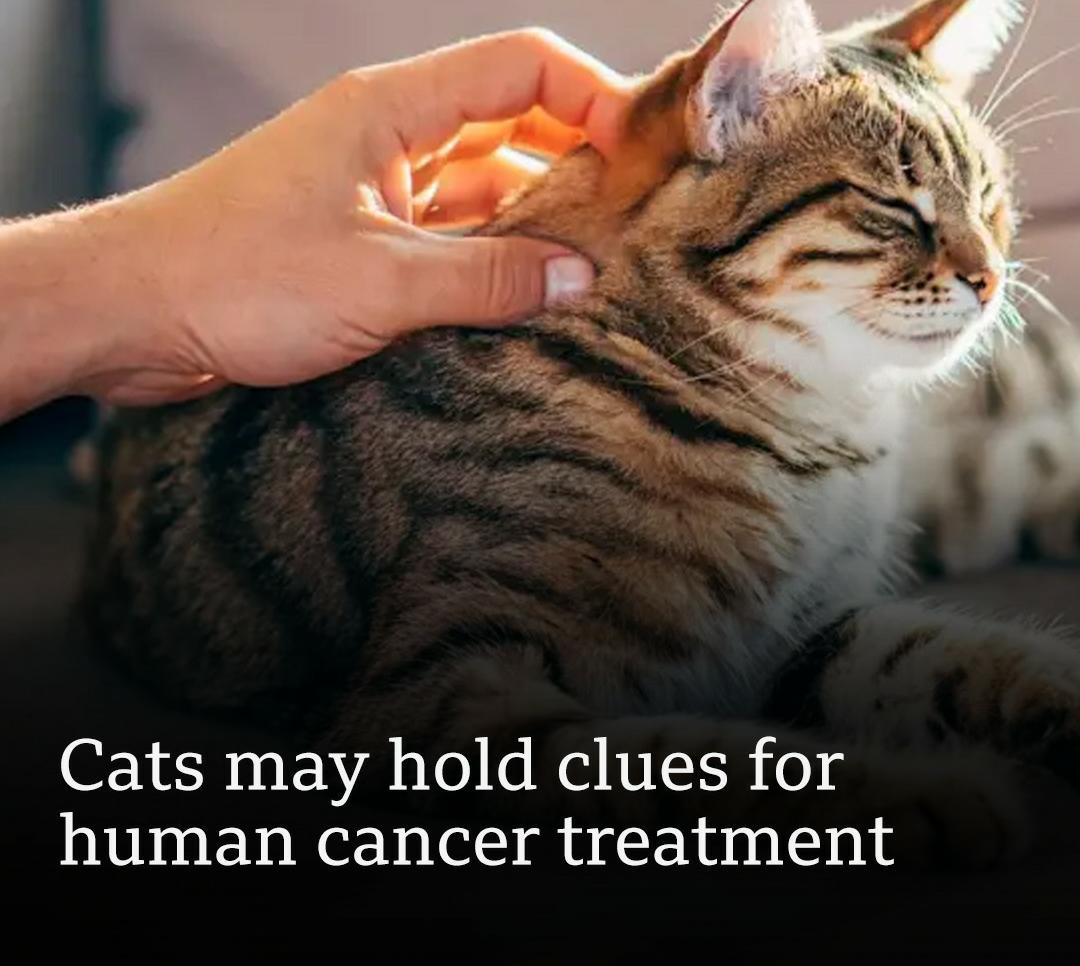
FIRST DETAILED GENETIC MAP OF CANCER IN CATS SHOWS SIMILARITIES WITH HUMAN VERSIONS COULD HELP FIND TREATMENT Scientists have produced the first‑ever detailed genetic map of cancer in domestic cats, revealing striking parallels with the genetic causes of the disease in humans a breakthrough that could provide new clues for treating cancer in both species. The research, published in the journal Science, analysed DNA from nearly 500 cats and uncovered shared genetic mutations that drive tumour growth in cats and people. Researchers led by the Wellcome Sanger Institute in the UK, in collaboration with veterinary and genomic experts from Canada, Switzerland and other countries, sequenced tumour DNA from cats with 13 different cancer types and compared it with healthy tissue. They focused on roughly 1,000 genes known to be linked with human cancers. Many of the cancer‑associated genetic changes in cats turned out to be very similar to those seen in human cancers, confirming shared biological mechanisms across species.
- One of the most commonly mutated genes in cats was FBXW7, altered in over half of feline breast‑type cancers a change also seen in human breast cancer and linked with poor prognosis.
- Another frequent mutation was in the PIK3CA gene, also found in human breast cancers and targeted by PI3K inhibitor drugs.
- Mutations in TP53, a major tumour‑suppressor gene implicated in many human cancers, appeared at similar rates in cats, underscoring fundamental similarities in how cancer arises in both species. Before this study, the genetics of feline cancers were largely unknown. Because domestic cats share environmental exposures with humans living in the same homes and breathing the same air their naturally occurring cancers may offer more realistic models than laboratory animals for understanding disease processes and treatment responses.Experts say the new feline cancer map could help in several ways:
- Inform better treatments for cats with cancer by identifying which genetic changes are most important.
- Accelerate research on human cancers by offering more abundant and accessible examples of certain tumour types that are rare in people but common in cats.
- Support “One Medicine” approaches integrating veterinary and human medical insights to improve outcomes for both.
The study also found that some existing chemotherapy drugs showed effectiveness against cat tumours with certain mutations in laboratory tissue samples. While these findings need further clinical validation, they raise the possibility that treatments could be refined or repurposed to benefit both feline patients and humans with similar genetic tumour profiles. “This research confirms that our feline companions are not just pets but valuable partners in the fight against cancer,” said one lead scientist, emphasising that comparing cancer genetics across species can reveal deep biological similarities and boost understanding of how tumours develop and respond to therapy.