FG Generates N20.7TN, Spends N13.69TN On Debt
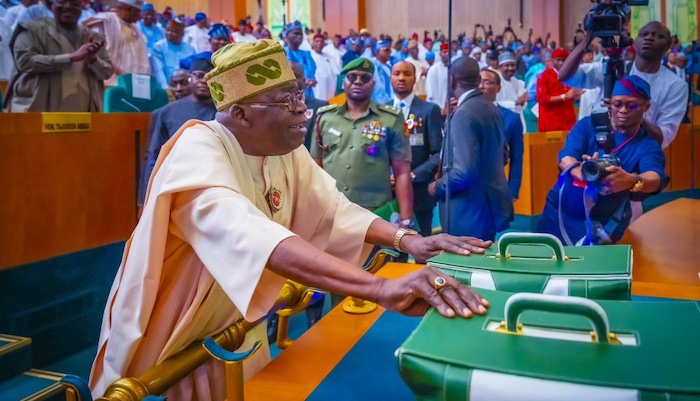
FG Generates N20.7TN, Spends N13.69TN on Debt, N8.1TN on Capital Projects Abuja, Nigeria (Feb 3, 2026) The Federal Government (FG) has disclosed that it generated ₦20.7 trillion in revenue in the 2025 fiscal year, but allocated a significant portion of its funds to servicing debt and financing capital projects, according to the Director-General of the Budget Office of the Federation (BoF).
The figures released as part of the government’s mid-budget performance update reveal how revenue was deployed in the first ten months of the budget cycle, highlighting ongoing fiscal pressures and spending priorities. BoF Director-General Tanimu Yakubu said the federal government generated ₦20.7 trillion in revenue by October 2025, representing about 61 per cent of its projected target for the year. ₦13.69 trillion was applied to debt service, making it the largest single spending category. ₦8.10 trillion was spent on capital projects between January and September 2025.
₦7.09 trillion went toward personnel costs and pensions.
Total government expenditure in the period stood at ₦31.89 trillion highlighting that spending exceeded revenue by a wide margin.
The allocation to capital projects underscores the government’s efforts to sustain infrastructure delivery and development spending, even as debt costs rise. Yakubu speaking through BoF officials acknowledged persistent fiscal constraints but emphasised that the government has met its major financial obligations. He said the 2026 budget would be implemented with greater discipline and strict adherence to appropriated details and timelines. To shore up revenue for the 2026 fiscal year and beyond, he highlighted expected improvements from the Nigeria Tax Administration Act (NTAA) 2025 and ongoing reforms in the oil and gas sector. In the face of tight fiscal space, the government is finalising the 2026–2028 Medium-Term Expenditure Framework (MTEF) and Fiscal Strategy Paper (FSP) instruments designed to guide budget choices, prioritise high-impact programmes, and align commitments with available resources. Yakubu noted that effective engagement by ministries, departments, and agencies (MDAs) with the framework is critical to achieving budget targets and improving execution, including ensuring value-for-money in public spending. He stressed that failures in linking policy, planning, and budgeting have historically contributed to poor outcomes and that stronger integration is central to future success.
The 2025 budget performance figures highlight key fiscal realities confronting Nigeria: Debt service continues to dominate federal spending, absorbing the largest share of generated revenue limiting fiscal space for other priorities. Capital expenditure remains substantial, but at a level that still trails debt obligations, pointing to ongoing trade-offs between investment and debt sustainability. The gap between total expenditure and revenues underscores Nigeria’s reliance on borrowing and reforms to expand the tax base. Analysts say these trends reflect fiscal pressures common in emerging economies: rising debt costs amid revenue shortfalls, while essential development spending competes for limited resources.
Revenue Generated
₦20.7 trillion
₦13.69 trillion
₦8.10 trillion
₦7.09 trillion
Total Expenditure
₦31.89 trillion