Electricity Subsidy Debt Rises To ₦1.78 Trillion As Atiku Unveils Power Reform Plan
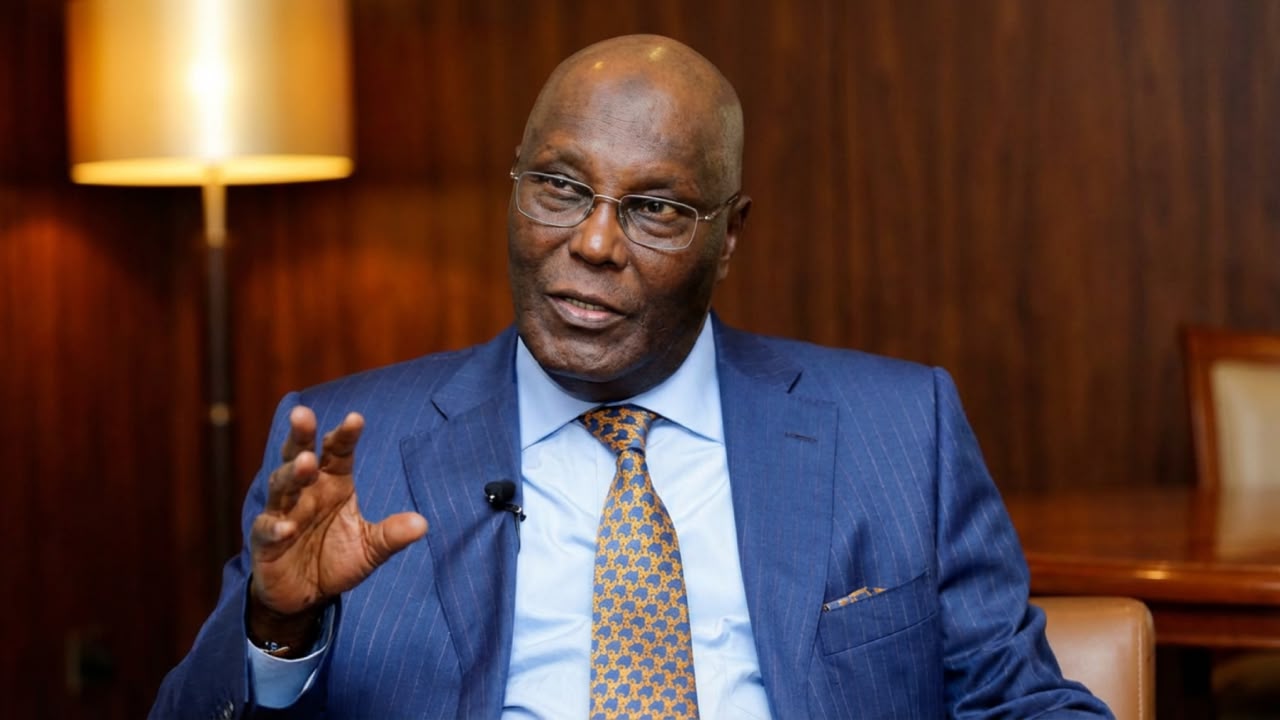
Electricity Subsidy Debt Rises to ₦1.78 Trillion as Atiku Unveils Power Reform Plan Nigeria’s electricity subsidy debt has climbed to ₦1.78 trillion, intensifying concerns over the financial sustainability of the country’s power sector as mounting obligations to electricity generation companies and gas suppliers continue to strain operations. Industry stakeholders warn that the growing subsidy burden, coupled with gas supply debts approaching ₦1 trillion, has weakened the liquidity of the electricity value chain, leaving generation companies struggling to meet payment obligations and maintain reliable power supply. They argue that the funding gap threatens investment, gas availability, and overall electricity generation. Against this backdrop, African Democratic Congress ADC presidential candidate Atiku Abubakar pledged to deliver stable and affordable electricity if elected, outlining a plan centered on decentralized power generation and expanded private-sector participation. He said empowering states, local governments, and private investors to generate and distribute electricity would improve efficiency, expand access, and reduce dependence on the national grid. Atiku also promised to promote cost-reflective but socially balanced electricity pricing while encouraging investments in renewable energy, gas infrastructure, and transmission networks. According to him, a more competitive and decentralized electricity market would attract investment, improve service delivery, and support economic growth. Energy experts, however, cautioned that addressing the sector’s financial challenges will require broader reforms, including timely settlement of subsidy obligations, improved market discipline, enhanced gas supply arrangements, and greater investment in transmission and distribution infrastructure. They noted that resolving the liquidity crisis is critical to ensuring reliable electricity supply and restoring investor confidence in Nigeria’s power sector.