DisCos Record ₦2.4tn Loss As Nigeria’s Power Supply Worsens
DisCos Record ₦2.4tn Loss as Nigeria’s Power Supply Worsens
Nigeria’s ongoing electricity crisis deepened as distribution companies (DisCos) recorded losses totalling about ₦2.4 trillion over the past two years, a development that has significantly worsened power outages and heightened public frustration nationwide. The staggering losses which include more than ₦1 trillion in 2024 and approximately ₦1.334 trillion in 2025 are attributed primarily to billing inefficiencies, weak revenue collection and cost recovery challenges, according to industry data and sources close to sector regulators.
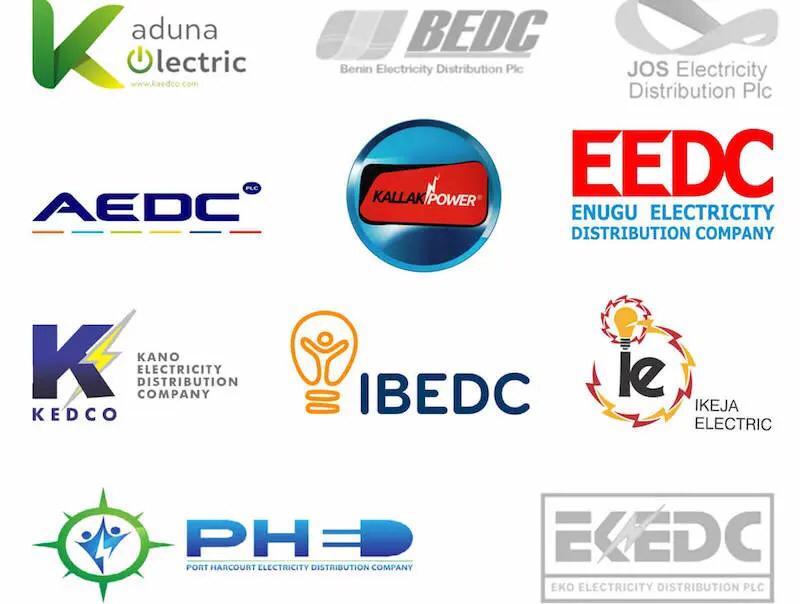
The financial strain on DisCos has reverberated across the electricity value chain. With limited income, distribution companies are struggling to fulfil payment obligations to generation companies (GenCos), many of which are now unable to honour commitments to gas suppliers. In turn, gas producers have scaled back supply, contributing to a persistent decline in electricity generation. Available figures indicate that national generation has dropped from an average of about 4,600 megawatts in 2025 to below 3,500 megawatts in early 2026, exacerbating frequent and prolonged outages across the country Households and businesses have borne the brunt of the crisis. Many parts of Nigeria now receive less than 12 hours of electricity per day, and some communities endure supply as low as three to six hours, with certain areas around Abuja’s Karu and Lokogoma districts receiving barely three hours of power. Other regions, particularly under the Benin Electricity Distribution Company (BEDC) franchise in Delta State, have reported outages lasting days. The broader power sector continues to struggle under the weight of more than ₦6 trillion in accumulated debt, leaving GenCos and gas suppliers in precarious financial positions and hindering efforts to stabilise supply.
Consumer advocacy groups and sector stakeholders have criticised DisCos for poor billing practices and a lack of metering, which they say fuels disputes and undermines payer confidence. Chijoke James, Chairman of the Electricity Consumers Association of Nigeria, accused distribution companies of “exploitative billing” particularly through estimated billing systems, which consumers say often bear little relation to actual supply. Experts point to the lack of widespread metering as a core driver of inefficiencies. Bode Fadipe, a power sector consultant, emphasised the necessity of accurate measurement for improving revenue collection. “Once a customer has no meter, any billing method becomes presumptive and inherently inaccurate,” he said, urging a comprehensive metering rollout across the sector The escalating crisis has prompted discussions within the Federal Government, including reported plans by the Presidential Villa in Abuja to deploy a ₦17 billion solar mini‑grid project to ensure uninterrupted power supply at the seat of government. While this move targets energy reliability for critical infrastructure, observers say broader structural interventions are needed to stabilise grid performance nationally. Officials from some DisCos argue that technological upgrades including hybrid solutions integrating storage could improve supply reliability even within the country’s constrained operating environment. However, they acknowledge that systemic challenges particularly in metering and revenue collection must be addressed to restore financial viability and service delivery across the sector. As Nigeria’s electricity shortcomings deepen, stakeholders warn of heightened risk of prolonged nationwide blackouts and greater instability across the energy sector unless comprehensive reforms are implemented. Analysts say that addressing the financial health of DisCos, bolstering revenue systems, resolving legacy debts and expanding metering coverage will be critical to any meaningful turnaround in the country’s power supply.