Discarded Clothes From Western Recycling Banks End Up Dumped In Chilean Desert
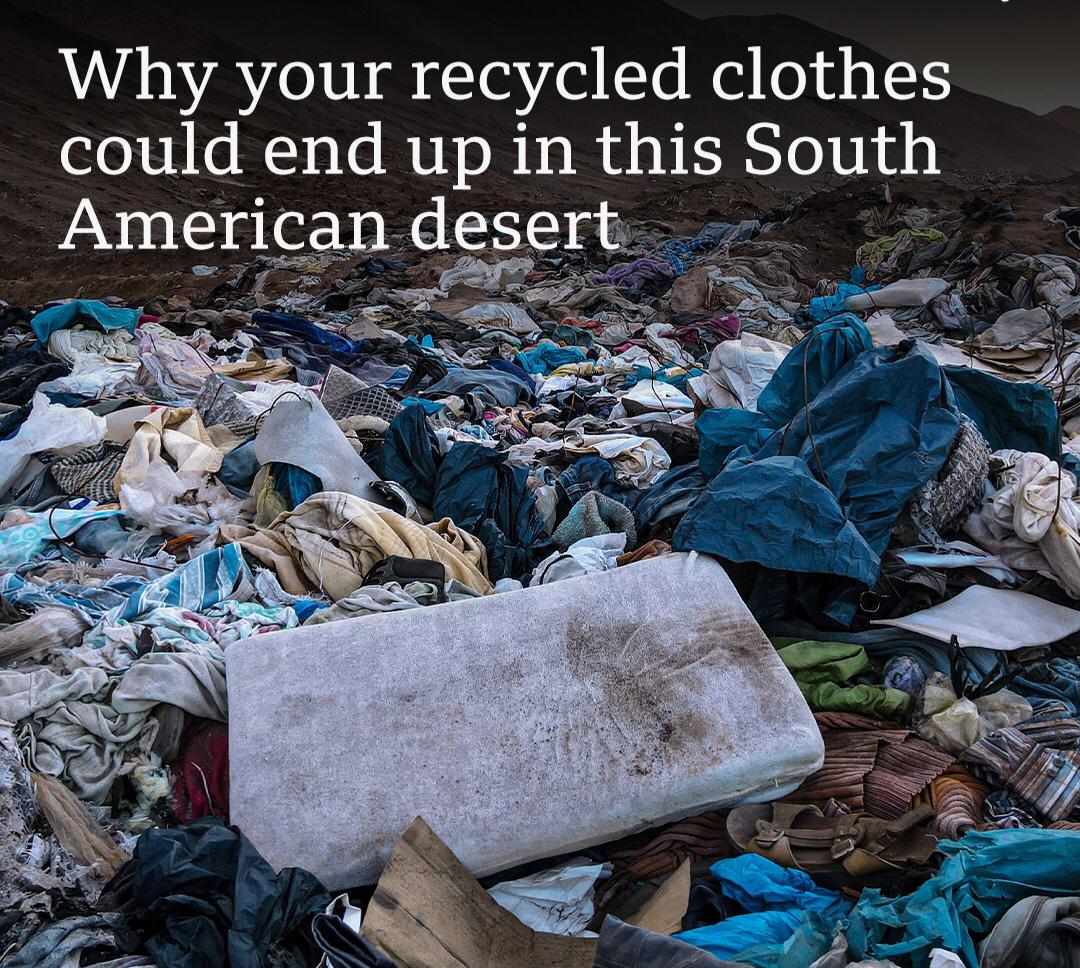
Discarded Clothes from Western Recycling Banks End Up Dumped in Chilean Desert Investigation Reveals exposes how donated garments from Europe and North America contribute to massive textile waste crisis in northern Chile. Millions of clothes donated to recycling banks across the United Kingdom and North America are reportedly ending up illegally dumped in the desert regions of northern Chile, raising serious environmental and ethical concerns about the global fashion recycling system. revealed that garments dropped into charity and recycling bins often with the expectation they will be reused or responsibly recycled frequently travel thousands of miles before being abandoned in massive waste sites. Large quantities of second-hand clothing are shipped to South America after being collected by recycling companies and exporters. While a portion of the items is resold in local markets, vast amounts that cannot be sold or reused eventually become waste. Much of this discarded clothing accumulates in the Atacama Desert, one of the driest regions on Earth, where mountains of textile waste stretch across the landscape. Authorities and environmental groups say the garments are often dumped illegally or burned, releasing toxic fumes and polluting fragile ecosystems. Chile imports tens of thousands of tonnes of used clothing annually, becoming a major hub for second hand fashion redistribution in Latin America. However, only a fraction of these imports finds buyers, leaving local communities struggling to manage the environmental fallout. Experts say the crisis highlights deeper problems within the global fast-fashion economy. Many donated clothes are made from synthetic materials that are difficult to recycle, meaning donation does not always guarantee sustainability. Environmental advocates warn that consumers in wealthier countries may unknowingly contribute to waste pollution abroad by assuming clothing donations automatically lead to reuse. Campaigners are now calling for stricter regulations on textile exports, improved recycling technology, and greater accountability from fashion brands to reduce overproduction and waste.
The report also urges consumers to rethink purchasing habits, emphasizing that reducing clothing consumption and extending garment lifespans remain the most effective ways to limit textile pollution.