DANGOTE REFINERY SETS SIGHTS ON AFRICAN MARKET DOMINANCE
by HEDNEWS on February 6, 2026
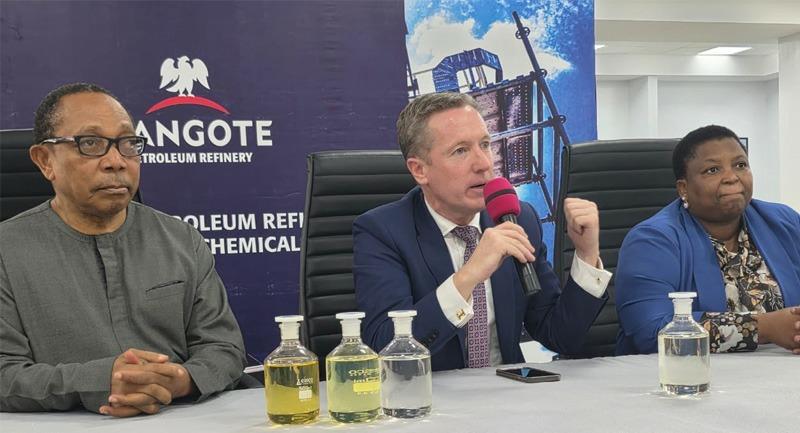
DANGOTE REFINERY SETS SIGHTS ON AFRICAN MARKET DOMINANCE: GHANA, CAMEROON, NAMIBIA, ZAMBIA, ZIMBABWE, BOTSWANA
Lagos, Nigeria Nigeria’s Dangote Petroleum Refinery has unveiled ambitious plans to build the infrastructure required to export surplus fuel across West, Central and Southern Africa, aiming to serve markets in Ghana, Cameroon, Namibia, Zambia, Zimbabwe and Botswana through pipelines and strategic tank farms. The strategy reflects a major shift from purely domestic supply to regional energy leadership and export‑driven growth.
- Surplus Production Drives Export Vision: Dangote Refinery is expanding output at its Lekki Free Zone facility in Lagos, producing petrol and other fuels beyond Nigeria’s current demand presenting an opportunity for regional export. CEO David Bird explained the need for expanded infrastructure like tank farms and pipelines to move products reliably into neighbouring markets.
- From Domestic Supply to Continental Reach: Currently supplying about 45 million litres of Premium Motor Spirit (PMS) daily a figure constrained by maintenance on key units Bird said production is expected to rise to as much as 75 million litres per day as units return to full capacity, creating volumes available for export.
- Tank Farms and Pipeline Network:
A tank farm at Walvis Bay in Namibia has been developed in partnership with the Namibian government, serving as a hub for storage and onward distribution.
Plans envision pipeline networks extending inland from coastal storage hubs, moving fuel into landlocked markets such as Zambia, Zimbabwe and Botswana, reducing reliance on trucking and improving supply logistics. Similar discussions are underway for infrastructure in Cameroon, Ghana and other coastal states, leveraging existing pipeline right‑of‑ways where possible to expand reach. - Coastal Hub Model:
Bird described a model where coastal tank farms feed inland pipelines, enabling direct delivery into interior markets that now rely heavily on costly and slower road transport a critical advantage in regions with poorer road infrastructure. - Leverage Existing Infrastructure:
In Cameroon, historic refinery infrastructure albeit inactive could offer pipeline rights-of-way and logistical foundations for new export operations. Similarly, Ghana and other states are seen as key nodes in an expanded intra‑African energy supply network. - Benefits for Landlocked Markets:
By linking coastal storage to inland pipelines, Dangote Refinery hopes to stabilise fuel supply for landlocked countries, strengthen regional energy security, and reduce the burden of long‑distance truck transport on fuel costs and trade logistics. - Growing Continental Demand: Many African nations, including Ghana and Cameroon, lack sufficient refining capacity and rely heavily on imported petroleum products. Expanding Nigeria’s refined fuel exports could fill crucial gaps in the regional energy market.
- Ghana as a Key Offtake Partner: Ghana’s National Petroleum Authority recently confirmed its commitment to importing refined products from Dangote Refinery, citing its own small local refineries’ limited output and the prospects of boosting fuel affordability through regional supply.
- Previous Export Milestones: Dangote has already shipped refined fuel to neighbours like Cameroon, building confidence in its capacity to serve export markets and laying groundwork for wider regional trade.
- Output Growth: Dangote Refinery currently operates at significant capacity and has repeatedly stated its ability to deliver fuel volumes above national demand, reinforcing Nigeria’s transition from import dependence to domestic refinement and export orientation.
- Infrastructure Expansion: Alongside pipelines and tank farms, the refinery is planning storage infrastructure and logistical enhancements that support both local distribution and long‑distance exports, aligning with broader continental trade goals
- Alignment with National Energy Strategy: These ambitions dovetail with Nigeria’s overarching energy strategy to improve refining output, reduce import burdens and strengthen its role as Africa’s energy hub, as demonstrated by expanded production deals within the domestic gas sector.
- Regional Market Leadership: Dangote’s strategic moves reflect a broader pivot to intra‑African energy trade, seeking to position Nigeria as a central supplier of refined petroleum products across multiple sub‑regions of the continent.
- Investment Attraction: Large‑scale infrastructure projects from pipelines to tank farms are expected to attract private and public investment, strengthen logistic corridors, and enhance energy security across partner nations.
- Trade Integration: Enhancing fuel supply flows across borders supports broader continental integration initiatives, potentially reducing trade frictions and harmonising standards for energy commerce within Africa’s free trade frameworks.
Dangote Refinery’s ambitious continental plans mark a new phase in Nigeria’s energy landscape shifting from meeting domestic demand to leading refined fuel exports across West, Central and Southern Africa. By investing in tank farms and pipeline infrastructure, the refinery aims not only to serve regional markets but also to bolster intra‑African energy commerce, reduce logistical bottlenecks and drive economic integration.