Dangote Refinery Raises Petrol Price To ₦1,350 Per Litre Amid Global Oil Pressure
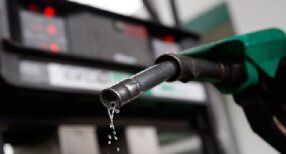
Dangote Refinery Raises Petrol Price To ₦1,350 Per Litre Amid Global Oil Pressure The Dangote Refinery has increased the ex-depot price of Premium Motor Spirit (PMS), commonly known as petrol, to ₦1,350 per litre, marking another adjustment in Nigeria’s evolving downstream petroleum market. The latest price review represents a ₦75 increase from the previous rate of ₦1,275 per litre and comes amid persistent volatility in global crude oil markets and ongoing supply-chain realignments within Nigeria’s domestic fuel distribution system. Industry sources say the upward adjustment reflects sustained pressure from international oil prices, foreign exchange dynamics, and logistical costs affecting refinery operations and product evacuation nationwide. The ₦75 increase comes amid sustained pressure in the global oil market and ongoing supply-side adjustments within the domestic distribution chain, factors that continue to influence ex-depot pricing decisions.
Analysts note that refiners are increasingly aligning local petrol prices with prevailing global energy benchmarks following Nigeria’s transition toward a deregulated downstream sector. The price hike is the second adjustment within a short period, underscoring ongoing instability in fuel pricing since the removal of fuel subsidies and the liberalisation of petrol supply channels. Reports indicate that the refinery had earlier raised the ex-depot price to ₦1,275 per litre in response to tightening global crude supply conditions and rising operational costs. While the ex-depot price applies primarily to bulk marketers purchasing directly from the refinery, the adjustment is expected to ripple through retail stations nationwide. Fuel marketers typically add transportation, storage, and distribution margins before final pump prices are set, meaning motorists may soon experience higher retail petrol prices across major cities. Energy economists warn that rising fuel costs could further impact transportation fares, food prices, and overall inflation in Africa’s largest economy.
Commissioned in 2023 and now one of the world’s largest singletrain refineries, the Dangote facility was designed to reduce Nigeria’s reliance on imported refined petroleum products and stabilise domestic fuel supply. Despite increasing local refining capacity, pricing remains closely tied to global crude oil trends, exchange-rate pressures, and regional supply dynamics. Market observers say further price adjustments cannot be ruled out if international oil prices remain elevated or if distribution costs continue to climb.
For consumers and businesses alike, the latest increase signals that petrol pricing in Nigeria may remain fluid as the country adapts to a fully market-driven fuel regime.