Dangote Refinery Milestone Makes Nigeria Net Petrol Exporter,
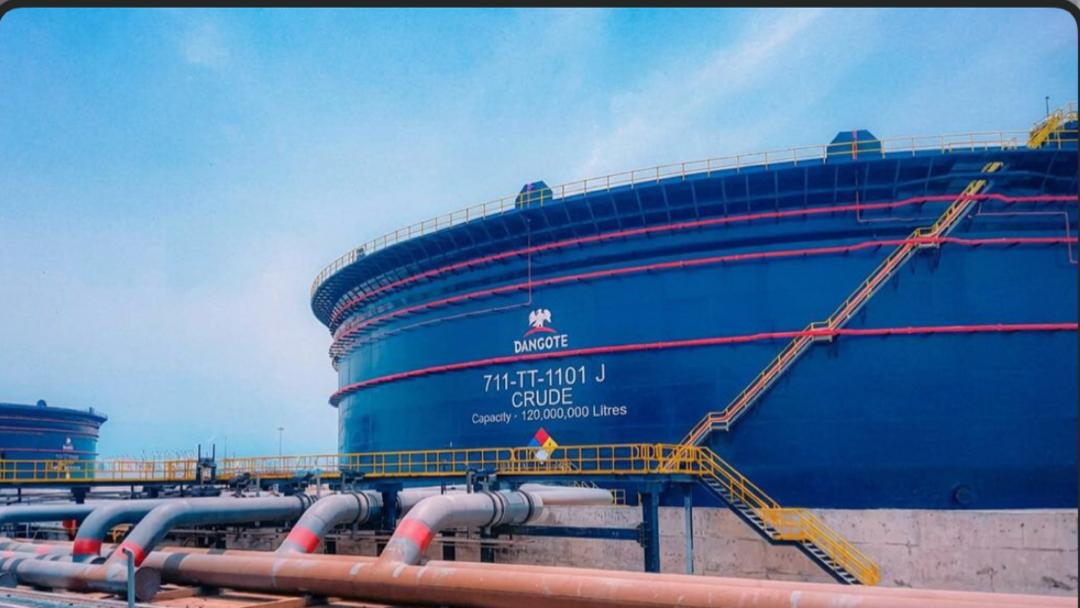
Dangote Refinery Milestone Makes Nigeria Net Petrol Exporter, Ends Import Dependence, Boosts Energy Sector House of Representatives committee hails development as historic turning point, saying local refining success validates reforms, strengthens forex position and reshapes Nigeria’s downstream petroleum industry. The House of Representatives Committee on Petroleum Resources (Downstream) has described the Dangote Petroleum Refinery’s latest achievement pushing Nigeria into a net petrol export position for the first time as a landmark development that signals a major shift in the country’s energy landscape and validates ongoing reforms in the downstream oil sector. Nigeria reportedly reached the milestone in March 2026 when petrol exports from the Dangote Refinery exceeded national imports, effectively ending decades of reliance on imported refined petroleum products despite the country’s vast crude oil reserves. The Lekki-based facility exported about 44,000 barrels per day (bpd) of petrol during the month, while imports fell to roughly 41,000 bpd, marking the lowest level recorded in years. The resulting surplus of around 3,000 bpd placed Nigeria in a net export position for refined petrol for the first time, according to market intelligence data. The House Committee described the development as a “watershed moment” for Nigeria’s downstream petroleum sector, saying it demonstrates the growing impact of domestic refining capacity on national energy security.Lawmakers said the milestone reflects years of structural reform in the oil and gas industry, particularly efforts to encourage private sector participation and reduce dependence on imported fuel products. They also commended the Dangote Refinery for improving supply stability, noting that increased local refining is expected to ease pressure on foreign exchange demand and strengthen Nigeria’s macroeconomic outlook. Analysts say the transition from importer to net exporter though still marginal represents a major psychological and economic shift for Africa’s largest crude oil producer.
- Reduced pressure on foreign exchange reserves
- Improved domestic fuel availability
- Strengthening of energy security
- Potential boost to regional fuel exports
Industry observers also note that crude supply to the refinery has remained high, supporting sustained production and export capacity. Dangote Industries leadership attributed the development to recent government reforms in the energy sector, arguing that improved policy direction has encouraged large-scale investment in domestic refining. The House Committee echoed this view, stating that the achievement validates ongoing efforts to restructure Nigeria’s downstream petroleum industry and attract long-term private capital into critical infrastructure For decades, Nigeria has exported crude oil while importing refined petroleum products due to limited domestic refining capacity, creating heavy dependence on foreign supply chains and increasing pressure on public finances.
The commissioning and expansion of the Dangote Refinery, with a capacity of about 650,000 barrels per day, has been widely seen as a turning point in addressing that imbalance. Recent data suggests rising output and exports are already reshaping regional fuel trade flows and reducing import volumes to historic lows. The emergence of Nigeria as a net petrol exporter marks a significant shift in the country’s energy narrative, with lawmakers and industry stakeholders describing it as a milestone that could redefine domestic fuel supply, strengthen economic resilience, and reposition Nigeria within global petroleum markets.