Controversy Trails 2026 Budget Over Palace, Religious Project Allocations
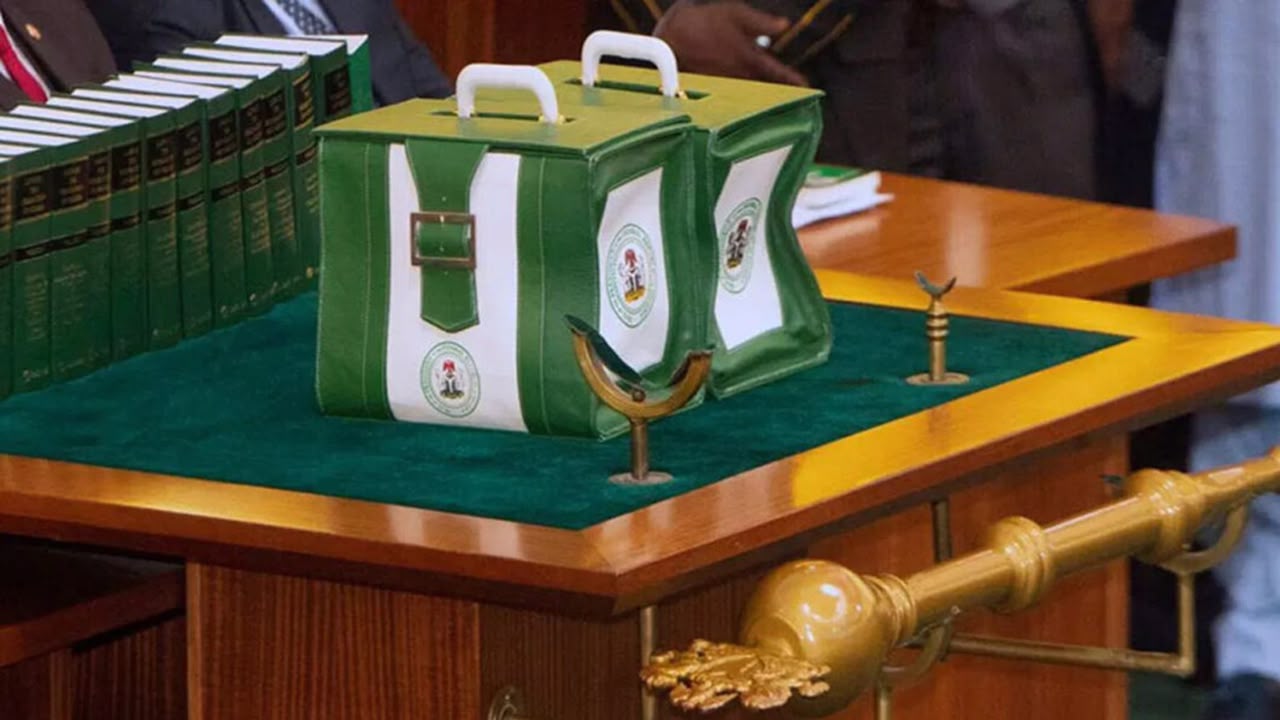
Controversy Trails 2026 Budget Over Palace, Religious Project Allocations The 2026 Appropriation Act has come under renewed public scrutiny following revelations that billions of naira were allocated for the construction and renovation of royal palaces, churches and mosques, prompting concerns over transparency, constitutional compliance and spending priorities. Public accountability organisation Tracka questioned the constitutional basis for the allocations, disclosing that the Federal Government earmarked ₦22.15 billion for the construction, renovation and furnishing of 106 royal palaces across the country. According to the group, 11 palace projects valued at ₦5.85 billion have no clearly identified locations, making public monitoring and oversight difficult.
Tracka further alleged that none of the 45 Ministries, Departments and Agencies (MDAs) assigned to implement the palace projects has the statutory mandate to construct or renovate royal palaces, raising concerns about accountability and the legality of the expenditures. The organisation also highlighted allocations for religious projects, noting that the budget contains ₦8.05 billion for the construction, renovation and equipping of churches and mosques. Of the total amount, ₦1.91 billion was allocated to seven church projects, while ₦6.14 billion was earmarked for 52 mosque projects. The disclosures have sparked widespread public debate over government spending priorities amid prevailing economic challenges. Responding to criticism over a controversial church project in Abia State, the Office of the Deputy Speaker of the House of Representatives defended the allocation, explaining that it forms part of a youth reorientation and community development initiative rather than a direct religious intervention. Meanwhile, the Senate has indicated plans to compel defaulting MDAs to submit outstanding financial records and other documents required for legislative oversight of budget implementation. Lawmakers said the move is intended to strengthen transparency and ensure that appropriated funds are properly accounted for. Senator Mohammed Tahir Monguno also expressed concern over delays in budget implementation despite improved government revenue, questioning why projects continue to suffer setbacks when fiscal performance has reportedly improved.
The latest controversy has renewed calls from civil society organisations for greater transparency in Nigeria’s budgeting process, with advocates urging the government to prioritise projects that directly address infrastructure, healthcare, education and other critical public needs while ensuring that all budget allocations comply with constitutional and institutional mandates.