CONTROVERSY MOUNTS OVER AMENDED ELECTORAL ACT AS 2027 ELECTIONS APPROACH
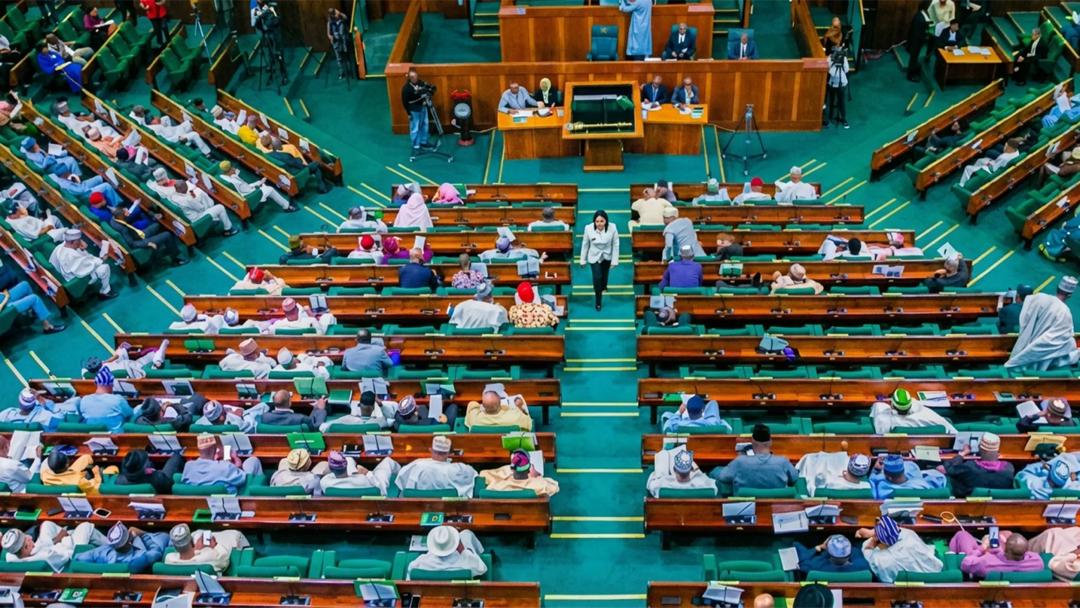
CONTROVERSY MOUNTS OVER AMENDED ELECTORAL ACT AS 2027 ELECTIONS APPROACH Three weeks after President Bola Tinubu signed the Electoral Act, 2026, political tensions and uncertainties have deepened over provisions and subsequent amendments to the law that critics warn could undermine the integrity of the 2027 general elections. The controversy has intensified just as political parties rush to meet critical deadlines set by the Independent National Electoral Commission (INEC) following its release of a revised electoral timetable for the 2027 polls. On Wednesday, the House of Representatives advanced a major amendment to the Electoral Act, despite the legislation having been recently signed into law. The amendment, sponsored by House Majority Leader Julius Ihonvbere, seeks to tighten regulations governing political party membership by criminalising dual party membership a move critics say could raise constitutional questions. Under the proposed changes, any Nigerian who knowingly holds membership in more than one political party at the same time could face a fine of ₦10 million, a two‑year prison term, or both. Lawmakers described the amendment as an effort to strengthen internal party discipline and prevent political manipulation that could compromise primaries and internal democracy. The pan‑Yoruba socio‑political group Afenifere has emerged as a vocal critic of the revised Electoral Act, particularly objecting to the removal of certificate forgery as a ground for election petitions a change seen by many civil society actors as weakening mechanisms for accountability.
In its statement, Afenifere described the excision of this provision from the law as a retrogressive step that could shield candidates with dubious academic credentials from scrutiny and disqualification, despite constitutional provisions that disqualify candidates who submit forged certificates for public office.
Legal experts and rights observers have echoed these concerns, warning that narrowing the grounds for challenging elections might discourage petitions aimed at upholding electoral integrity. One prominent legal voice, Senior Advocate of Nigeria (SAN) Jibrin Okutepa, said the decision could send “a troubling signal” by limiting the legal basis for questioning the eligibility of candidates accused of presenting forged credentials.
The debate over the Electoral Act is unfolding against broader political anxieties ahead of the 2027 polls. Many opposition figures and civil society groups have urged the National Assembly to revisit and revise contentious aspects of the law, including the hybrid model for election result transmission and party primary regulations arguing that overly restrictive or ambiguous rules risk disenfranchising voters and eroding public confidence.
Meanwhile, INEC has already fixed election dates for the 2027 cycle and is expected to begin a significant period of voter engagement and enforcement of the new legal framework. As political actors continue to debate and litigate these changes, many Nigerians remain watchful, concerned that the evolving electoral law could shape the fairness and credibility of the next general elections.