BROTHER OF ISRAEL’S SHIN BET CHIEF INDICTED IN SYSTEMATIC GAZA SMUGGLING CASE
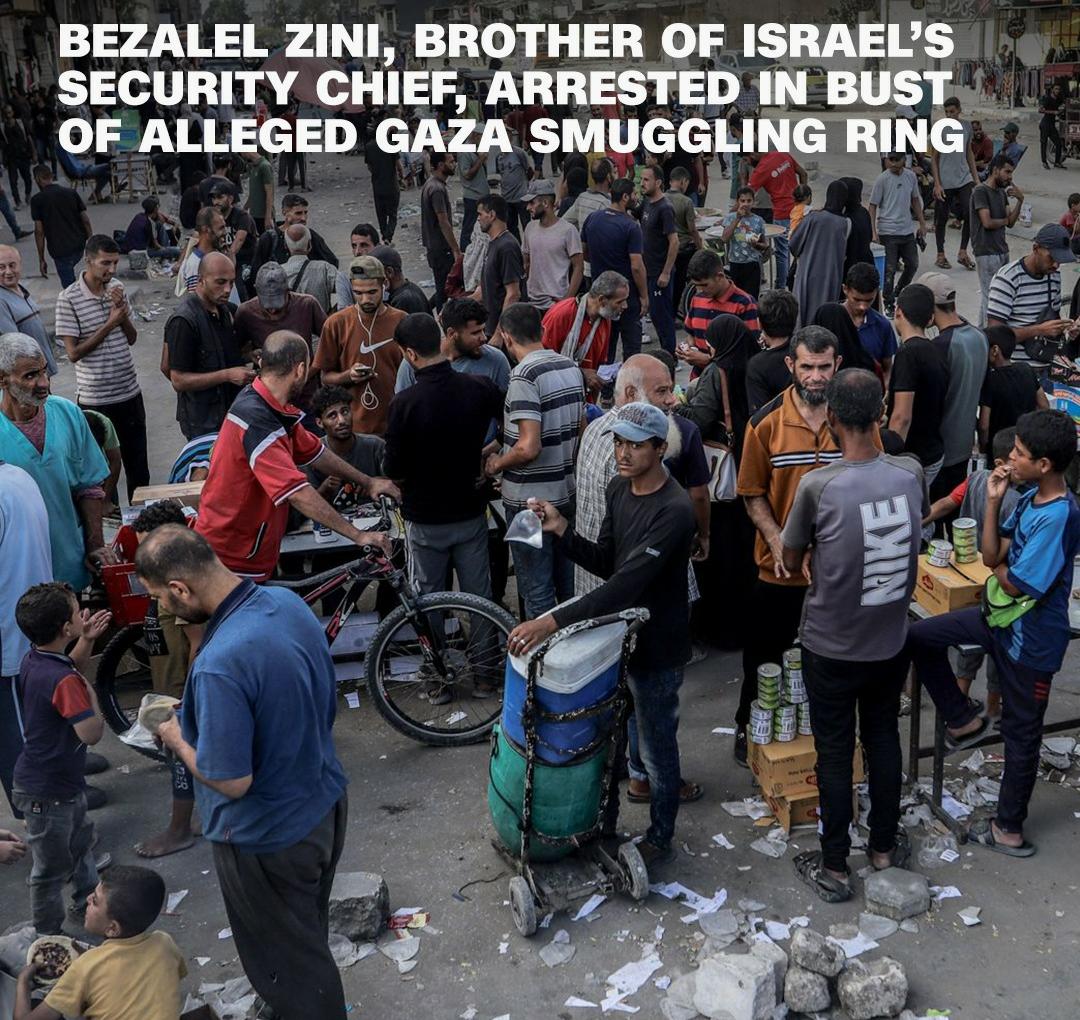
BROTHER OF ISRAEL’S SHIN BET CHIEF INDICTED IN SYSTEMATIC GAZA SMUGGLING CASE
Bezalel Zini, sibling of Israel’s domestic security chief David Zini, arrested and charged as part of a “organised, sophisticated” operation that smuggled cigarettes and other goods into the Gaza Strip for profit during wartime.
Jerusalem Friday, 6 February 2026
Bezalel Zini, 50, the brother of David Zini, director of Israel’s domestic intelligence agency Shin Bet, was formally charged by Israeli authorities this week in connection with a wide-ranging smuggling ring that transported prohibited goods primarily cigarettes into the Gaza Strip during the Israel-Hamas conflict. Prosecutors allege the operation was part of a systematic and sophisticated network that generated millions in revenue and potentially benefited Hamas economically.
- Arrest and Charges:
Bezalel Zini was arrested along with numerous other suspects, including Israeli reservists, as part of a larger investigation into smuggling goods into Gaza for financial gain. He and others face charges that include: assisting the enemy during wartime, transactions in property for terrorist purposes, aggravated fraud, bribery, and violations of counter-terrorism laws. - Alleged Smuggling Operations:
Prosecutors claim Zini used his position as an Israeli Defense Forces (IDF) reservist and logistics coordinator for a unit known as “Force Oria” to move contraband goods most notably cigarettes into Gaza. The smuggling reportedly involved about 14 cartons of cigarettes over three trips via the Sufa crossing, earning him roughly 365,000 shekels (about $117,000). - Broader Network:
The indictment describes a complex smuggling network that also trafficked other banned items such as mobile phones, batteries, car parts, and electronics. Prosecutors stated the ring operated by misleading soldiers at border crossings and misrepresenting the purpose of convoys as legitimate military movements. - Economic Impact:
Israeli authorities contend that the smuggling of high-value goods, particularly cigarettes in a market where they fetched exorbitant prices due to wartime restrictions, helped funnel hundreds of millions of shekels into Gaza. Prosecutors allege such revenues could strengthen Hamas’s economic control and governing capacity inside the territory. - “Assisting the Enemy”:
The charges underscore prosecutorial claims that the defendants knew the smuggled goods could reach hostile elements, including Hamas, and that their activities potentially undermined Israeli wartime security measures and the blockade of prohibited goods. - Asset Seizure and Forfeiture:
Israeli authorities have requested the forfeiture of assets connected to the case, including vehicles, property and proceeds of the smuggling operations. - No Direct Implication of Shin Bet Chief:
David Zini, appointed Shin Bet chief in May 2025, has not been implicated in the smuggling scandal. Prosecutors and officials have emphasized that he was not involved in the alleged offences, and there is no formal allegation against him. - Prosecutors’ Position:
The Israeli Justice Ministry described the case as one of organised, systematic and sophisticated smuggling that sought financial gain while circumventing wartime controls and potentially aiding enemy forces. - Defence Denial:
Zini’s defence team has denied the charges, dismissing some of the allegations as exaggerated. While acknowledging involvement in cigarette smuggling, lawyers argue that far more serious charges like aiding the enemy are unwarranted. - Political Concerns:
Media and commentators have raised questions about the implications for public trust and the integrity of military and intelligence structures given the familial connection though analysts caution against conflating the actions of Zini with his brother’s leadership at Shin Bet. The smuggling allegations come against the backdrop of the Israel-Hamas conflict, where Israel maintained strict controls on Gaza’s borders, restricting the entry of goods deemed to have dual civilian and military uses. During peak wartime scarcity, items like cigarettes became high-value contraband due to supply restrictions, creating black-market demand and lucrative resale opportunities.
Analysts note that while some goods may enter Gaza through underground tunnels or illicit channels, the involvement of individuals with military access highlights vulnerabilities in wartime enforcement and raises deeper questions about oversight protocols during active conflict.
Bezalel Zini and his co-defendants remain in custody as legal proceedings continue. The indictment marks a rare and high-profile case linking alleged wartime profiteering to individuals within or adjacent to military structures and one that could have broader legal and political ramifications in Israel.
This developing story underscores complex intersections between security operations, wartime regulations, and alleged illegal profiteering and is shaping discussions over corruption and compliance within sensitive defence contexts.