Australia’s Military Leadership Has Been Accused Of Failing To Properly Investigate
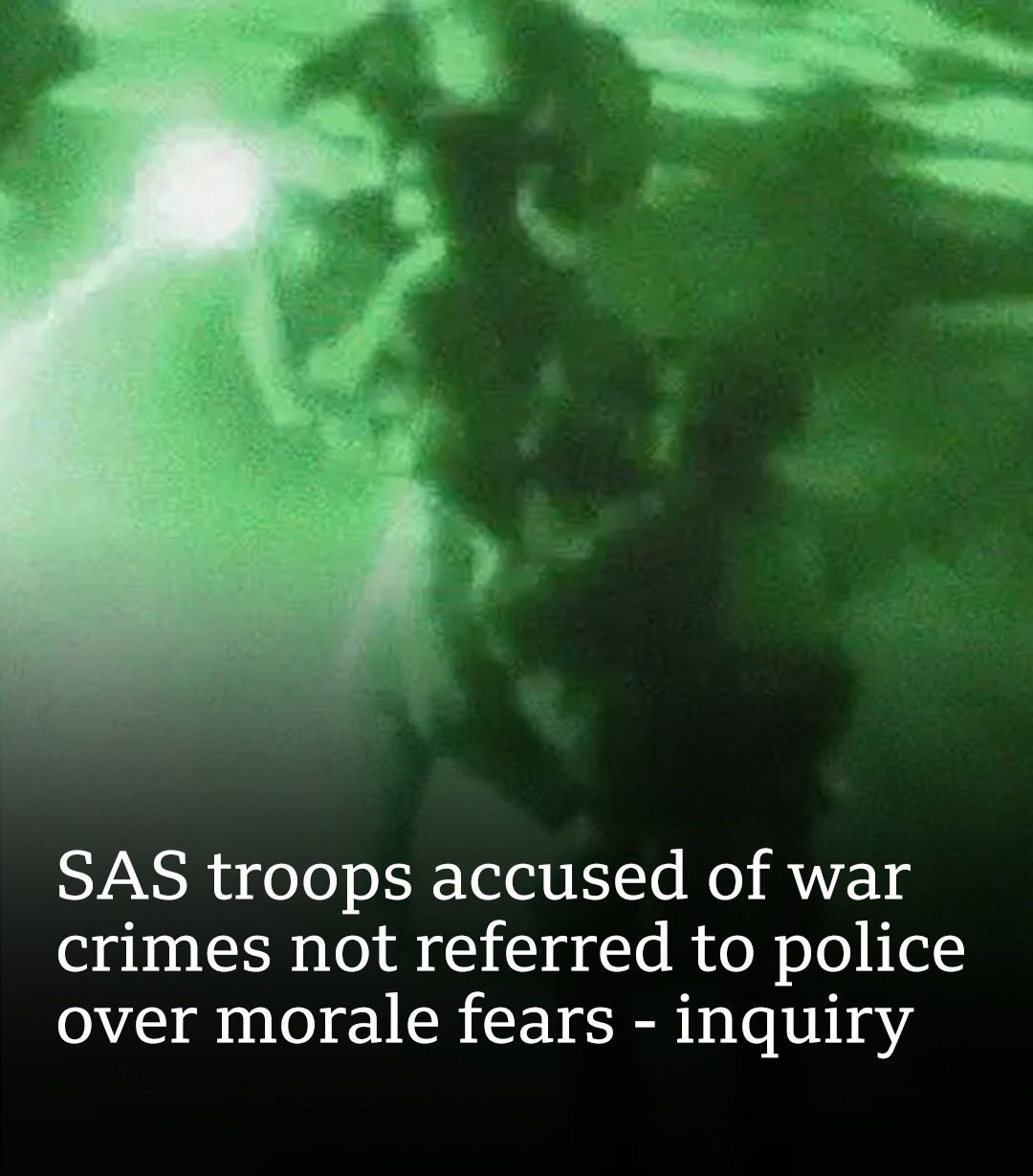
Australia’s military leadership has been accused of failing to properly investigate allegations that elite SAS soldiers carried out unlawful killings in Afghanistan, after a major inquiry revealed concerns were hidden from military police for years. According to newly released findings, senior commanders decided not to pass on early warnings from special forces personnel who believed members of the Special Air Service Regiment SAS were involved in extra-judicial killings and the falsification of operational reports during deployments in Afghanistan. The decision delayed formal investigations and allowed allegations to remain unexamined for an extended period. The inquiry found that some soldiers had privately raised concerns about the conduct of fellow SAS troops, including claims that detainees and civilians were unlawfully killed during missions. However, military police were allegedly not informed at the time, meaning potential evidence and witness testimony were not immediately pursued. The revelations stem from ongoing scrutiny following the landmark Brereton Report, which in 2020 found credible evidence that Australian special forces unlawfully killed 39 Afghan prisoners and civilians between 2005 and 2016. The report also alleged that patrol reports were manipulated to conceal the killings and recommended criminal investigations into a number of soldiers. Families of Afghan victims and human rights groups have criticised the Australian Defence Force for what they describe as a culture of secrecy and lack of accountability within elite units. Legal experts say the latest findings raise further questions about whether senior officers attempted to protect the reputation of the SAS instead of ensuring transparent investigations. Australia’s Defence Department said it continues to cooperate with criminal investigations and reforms aimed at rebuilding trust in the armed forces. Several former soldiers remain under investigation by the Office of the Special Investigator, though no final convictions have yet been secured in relation to the allegations. The case has become one of the most damaging controversies in the history of Australia’s military, prompting wider debate over command responsibility, wartime conduct and oversight of special forces operations.