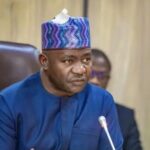
Atiku Insists On Restoring Targeted Petrol Subsidy As Presidency Questions Funding

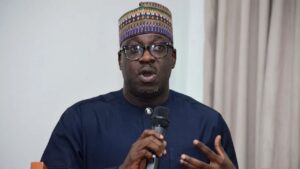
Atiku Insists on Restoring Targeted Petrol Subsidy as Presidency Questions Funding The presidential candidate of the African Democratic Congress ADC, Atiku Abubakar, has reaffirmed his commitment to restoring a targeted petrol subsidy if elected president in 2027, despite strong opposition from the Presidency. Atiku maintained that the removal of petrol subsidy had worsened the cost-of-living crisis, with higher fuel prices contributing to increased transportation and food costs and reducing the purchasing power of Nigerians.The former vice president said government had a responsibility to protect citizens from severe economic hardship and argued that Nigeria had sufficient resources to provide relief to its people.Atiku’s position has, however, triggered questions from the Presidency over how such a subsidy would be financed and how long it would remain in place.The Special Adviser to President Bola Tinubu on Information and Strategy, Bayo Onanuga, challenged Atiku to provide details of the proposed policy, including its estimated cost, funding mechanism, beneficiaries and conditions that would eventually lead to its withdrawal. The controversy followed conflicting explanations from members of Atiku’s campaign team over the duration of the proposed subsidy. Atiku’s spokesperson, Paul Ibe, initially said an Atiku administration would restore the subsidy temporarily before eventually phasing it out, describing the intervention as a measure that would give Nigerians and businesses time to recover. However, another senior aide, Phrank Shaibu, later rejected that description as an unauthorised and misleading characterisation of Atiku’s position. Atiku subsequently clarified that his position had not changed and that he would restore a targeted subsidy if elected, without committing to a predetermined date for ending it. He said the subsidy should remain until domestic refining capacity increases, fuel supply stabilises and market competition is strong enough to deliver affordable prices without government support. Onanuga criticised the apparent differences within Atiku’s camp, saying Nigerians deserved a clear and properly costed proposal rather than conflicting explanations. He also questioned whether lowering petrol prices alone would solve the country’s broader cost-of-living crisis, noting that food inflation is influenced by several factors, including insecurity, exchange rates, agricultural productivity, logistics, storage, flooding and input costs. The Presidency further questioned the economic implications of subsidising petrol while other petroleum products such as diesel and aviation fuel remain deregulated. It argued that a barrel of crude oil produces several refined products and asked whether an Atiku administration would also subsidise those products if the government were to provide support for petrol.The Senior Special Assistant to the President on Digital and New Media, Otega Ogra, separately estimated that Atiku’s proposed petrol subsidy could cost Nigeria about N19.1 trillion annually. Ogra made the claim during a TVC News programme, saying the estimate was based on assumptions involving an $80-per-barrel crude oil price and a subsidy requirement of about $40 per barrel. He estimated the potential cost at about N52.3 billion daily and N1.5 trillion monthly, while arguing that Atiku’s proposal had not specified a spending cap, the number of barrels involved or the precise mechanism for financing the intervention. Ogra also questioned where the crude oil required to support the subsidy would come from and accused the proposal of potentially directing public resources towards wealthy interests in the oil sector. The figures are estimates presented by the presidential aide and have not been independently verified. Ogra further argued that the Federal Government’s decision to end the subsidy had freed significant resources for the federation. According to TheCable, Finance Minister Taiwo Oyedele said on August 19 that subsidy savings generated N15.8 trillion for the federation between June 2023 and December 2023 Atiku has also accused the Tinubu administration of failing to adequately account for the savings generated after subsidy removal. He argued that Nigerians were promised that removing the subsidy would free funds for development but said citizens had instead faced higher petrol, transportation and food costs. The ADC candidate also challenged President Tinubu to produce evidence supporting allegations concerning his involvement in controversial power-sector expenditure, saying he should be investigated and prosecuted if there is evidence of wrongdoing. Atiku said the renewed allegations against him should not distract from questions surrounding the management of government revenues following the removal of petrol subsidy. He asked the government to explain how the resources saved from the policy had been used and maintained that Nigerians deserved greater transparency over public finances. The debate over petrol subsidy is likely to remain a major issue ahead of Nigeria’s 2027 presidential election, with Atiku presenting targeted subsidy as a means of easing economic pressure on households, while the Tinubu administration continues to defend the removal of the policy and warn about its potential fiscal cost.