AT LEAST 33 MINERS DEAD IN SUSPECTED CARBON‑MONOXIDE LEAK AT PLATEAU MINE
AT LEAST 33 MINERS DEAD IN SUSPECTED CARBON‑MONOXIDE LEAK AT PLATEAU MINE At least 33 miners have been confirmed dead after what witnesses and local reports describe as a suspected carbon‑monoxide leak at a lead and zinc mining site in Wase Local Government Area, Plateau State, Nigeria. The miners were working or extracting minerals from an underground tunnel when toxic gas accumulated and caused them to collapse.
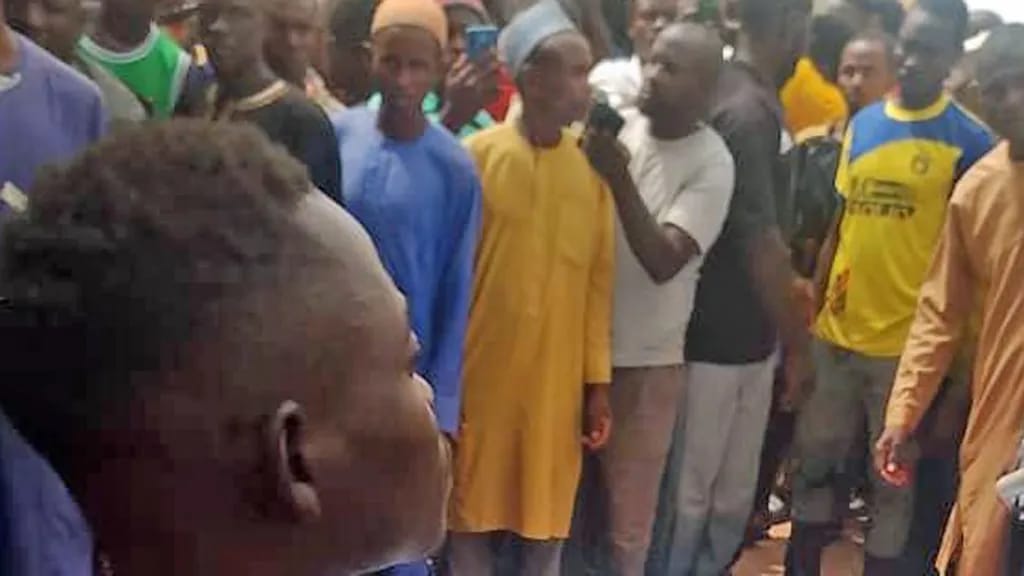
The tragedy one of the most severe in the region in recent years sent shockwaves through the predominantly mining communities and renewed scrutiny on safety standards in informal mining across the country. The incident is believed to have occurred early on Tuesday morning, just before sunrise, at a mining site outside the town of Wase. The workers, mostly young men aged between their 20s and 40s, had descended underground as part of routine operations when toxic gas suspected carbon monoxide built up in poorly ventilated tunnels and smothered them.
According to witnesses, miners had recently completed early‑morning prayers and were returning to continue work when the lethal gas struck. The bodies were discovered later by colleagues reporting for the morning shift, as those who fell during the night shift could not be reached in time.
More than 20 other miners were pulled out alive and hospitalised with suspected gas inhalation and related injuries.
Security forces and emergency responders quickly sealed off the mining site to prevent further exposure and to allow forensic and safety investigations to begin.
The federal government, through the Ministry of Solid Minerals Development, ordered an immediate shutdown of mining activities in the affected area while investigations are carried out.
Government officials, including Minister Dele Alake, confirmed that the mine had been cordoned off and a probe launched to determine the precise cause of the gas leak and whether safety protocols were breached. The tragedy occurred in a historic mining region of central Nigeria, where lead and zinc mining has long been a source of livelihood. However, many operations especially in informal or abandoned sites often operate with minimal safety oversight, leaving workers vulnerable to hazards such as toxic gas buildup, collapses, and poor ventilation. In this case, authorities noted that the site was previously a lead mine where residual mineral deposits can release dangerous gases; local villagers and miners may have entered the underground shafts without adequate protective equipment or awareness of the risks.
Victims were believed to be men in their 20s to 40s, many of them the primary earners for their families.
Some bodies were reportedly quickly buried in line with traditional local customs, leaving mourners and families devastated.
Survivors, many suffering from the effects of gas inhalation, remain under medical care, with some in critical condition.
Nigeria’s mining industry has seen a series of workplace tragedies in recent years, particularly in informal and poorly regulated operations. Past incidents such as gold mine collapses and gas build‑ups have raised alarm about safety standards, lack of protective equipment, and gaps in regulatory oversight.
Experts and civil society groups argue that the incident underscores the urgent need for stronger enforcement of safety rules, better training for miners, and official regulation of informal operations to protect lives and livelihoods.
Federal authorities are expected to continue investigations and determine whether negligence, lack of safeguards, or other factors contributed to the gas leak. Local governments and the Ministry of Solid Minerals have pledged to examine safety protocols and consider stricter enforcement in collaboration with security and health agencies. Calls are growing from community leaders and activists for comprehensive reforms in Nigeria’s mining sector, including regular inspections, improved ventilation standards in mines, and better protections for artisanal and informal miners.