Artificial Intelligence Is Rapidly Reshaping The Software Engineering Industry,
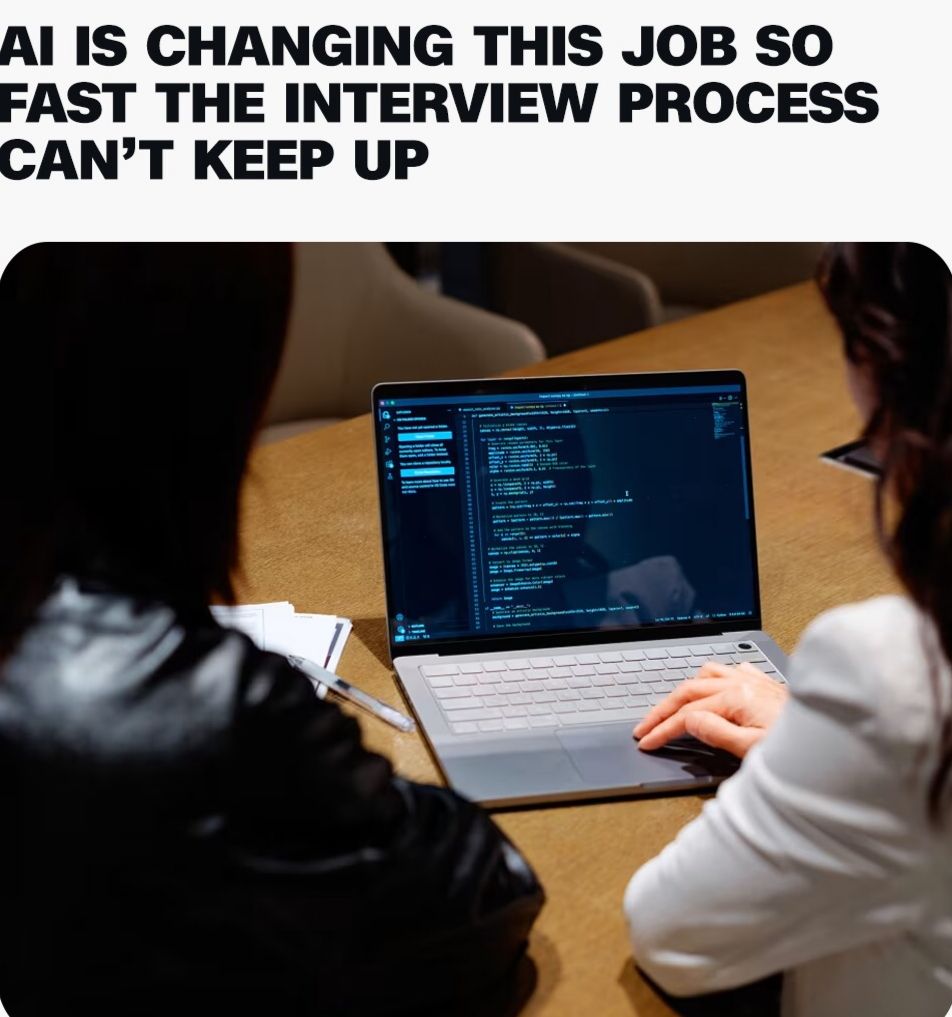
Artificial intelligence is rapidly reshaping the software engineering industry, creating fresh uncertainty for job seekers and forcing hiring managers to rethink what makes someone a strong programmer in an era where AI can now generate code in seconds. As competition for tech jobs intensifies following widespread layoffs across the industry, employers say they are increasingly struggling to assess candidates fairly because coding tasks once used in interviews can now be completed with the help of AI tools such as GitHub Copilot and ChatGPT. Recruiters and engineering leaders told that the rise of generative AI has changed expectations for software engineers, shifting the focus away from simply writing code toward broader problem-solving, system design and the ability to work effectively with AI-assisted tools. Companies are now placing greater value on critical thinking, debugging, collaboration and understanding how software systems operate at scale. Some hiring managers said traditional coding interviews are becoming less reliable because applicants may rely heavily on AI-generated answers without fully understanding the underlying concepts. As a result, firms are redesigning recruitment processes to include more live problem solving exercises, architecture discussions and practical assessments intended to test real-world engineering judgment rather than memorised coding patterns. Industry experts say AI is unlikely to eliminate software engineering jobs entirely, but it is expected to transform the role significantly. Routine coding tasks may increasingly be automated, while engineers who can supervise AI systems, verify generated code and build complex software infrastructures are expected to remain in high demand. The changing landscape has also sparked concern among university graduates and junior developers, many of whom fear entry-level opportunities could shrink as companies use AI to boost productivity with smaller engineering teams. Technology executives, however, argue that AI may ultimately create new opportunities by accelerating development and enabling engineers to focus on higher-level innovation. Major technology firms including Google, Microsoft and Amazon have already integrated AI coding assistants into their internal workflows, with some executives predicting that AI-generated code could soon account for a substantial portion of software development activity worldwide. Analysts say the transition marks one of the biggest shifts in the tech labour market in decades, raising broader questions about how future engineers should be trained and how companies can measure genuine technical ability in the age of artificial intelligence.