APC’s 2026 Convention Faces Tensions Over Zoning, Tinubu’s Influence, And Governors’ Interests, Shaping Unity And Prospects For 2027 Elections
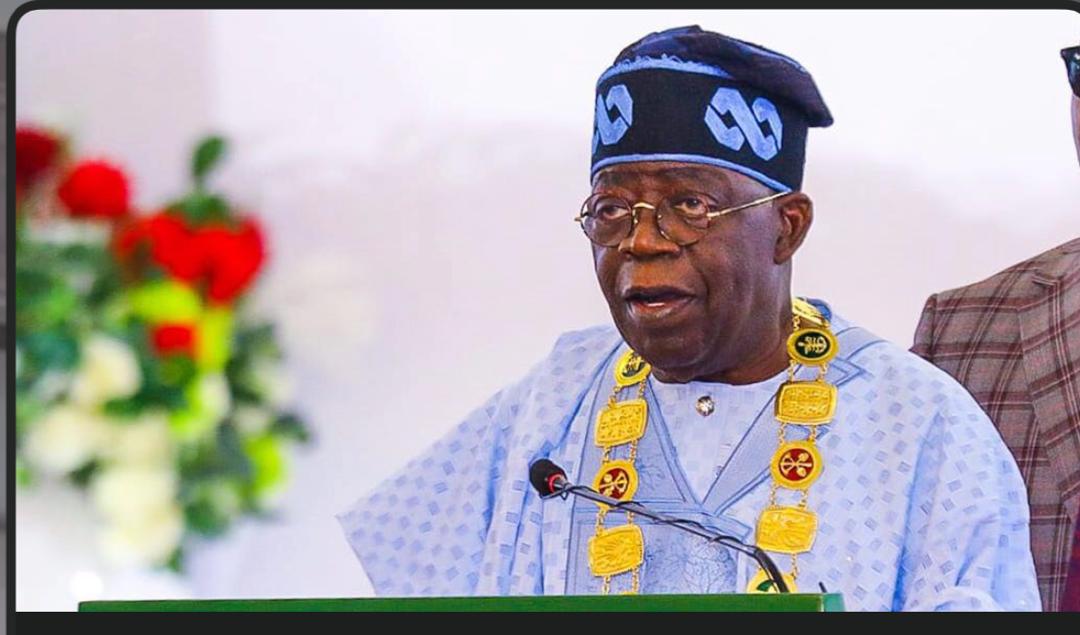
APC’s 2026 convention faces tensions over zoning, Tinubu’s influence, and governors’ interests, shaping unity and prospects for 2027 elections The ruling All Progressives Congress (APC) is heading into its 2026 National Convention this weekend amid rising internal tensions that could have significant implications for the party’s cohesion and its trajectory ahead of the 2027 general elections. At the centre of the unfolding drama are three pivotal issues dominating discussions and negotiations within the party: the zoning arrangement of key leadership positions, the role and influence of President Bola Ahmed Tinubu, and the ambitions and interests of state governors who wield significant control over party structures. Zoning the informal power‑sharing formula used to balance leadership roles across Nigeria’s six geopolitical zones has resurfaced as a flashpoint. Long regarded as a mechanism to manage diversity and internal aspirations, the arrangement now faces scrutiny from various power blocs within the APC, with some factions arguing for continuity while others push for change. Critics within the party argue that strict adherence to informal zoning could limit merit‑based competition and breed resentment among members from states or regions who feel marginalised. Supporters maintain that the arrangement is essential to maintaining unity and preventing domination by any single region. President Tinubu’s perceived preferences are proving decisive in shaping party alignments ahead of the convention. His public support for Prof. Nentawe Yilwatda as party national chairmana key role responsible for steering APC affairs has signalled continuity and alignment with the presidency’s strategic objectives. Senior party figures and political observers say Tinubu’s backing carries substantial weight, particularly in negotiations involving the composition of the APC’s National Working Committee (NWC) a body whose members will manage internal affairs and influence candidate selection ahead of the 2027 polls. State governors have emerged as critical power brokers in the APC’s internal politics, leveraging executive influence, financial resources, and control over grassroots party structures to shape outcomes within the convention.
Many governors including recent defectors from opposition parties are reported to be positioning loyalists for key NWC offices, intensifying negotiations and raising concerns among long‑standing party members who helped build the APC’s organisational foundation. Observers say that in several states, including Delta, Enugu, Zamfara, and Adamawa, competing blocs have surfaced as aspirants and power‑brokers jockey for delegate support and strategic influence during the convention.
While the convention is formally billed as an internal party exercise to elect leadership ahead of the 2027 campaign season, many insiders describe it as a litmus test for APC’s internal democracy. Questions over how inclusive and transparent the process is especially when powerful actors negotiate consensus outcomes before delegates convene have underscored the fine balance between unity and competitive politics.
The APC leadership says consultations will intensify in the run‑up to the convention as leaders seek to bridge differences and present a unified front. However, unresolved tensions over zoning, leadership control and influence dynamics continue to shape internal debates and will likely reverberate through the party’s preparations for the 2027 elections.