Africa Faces 86 Million Tonne Fuel Shortfall By 2040 As Iran War Exposes Energy Vulnerabilities
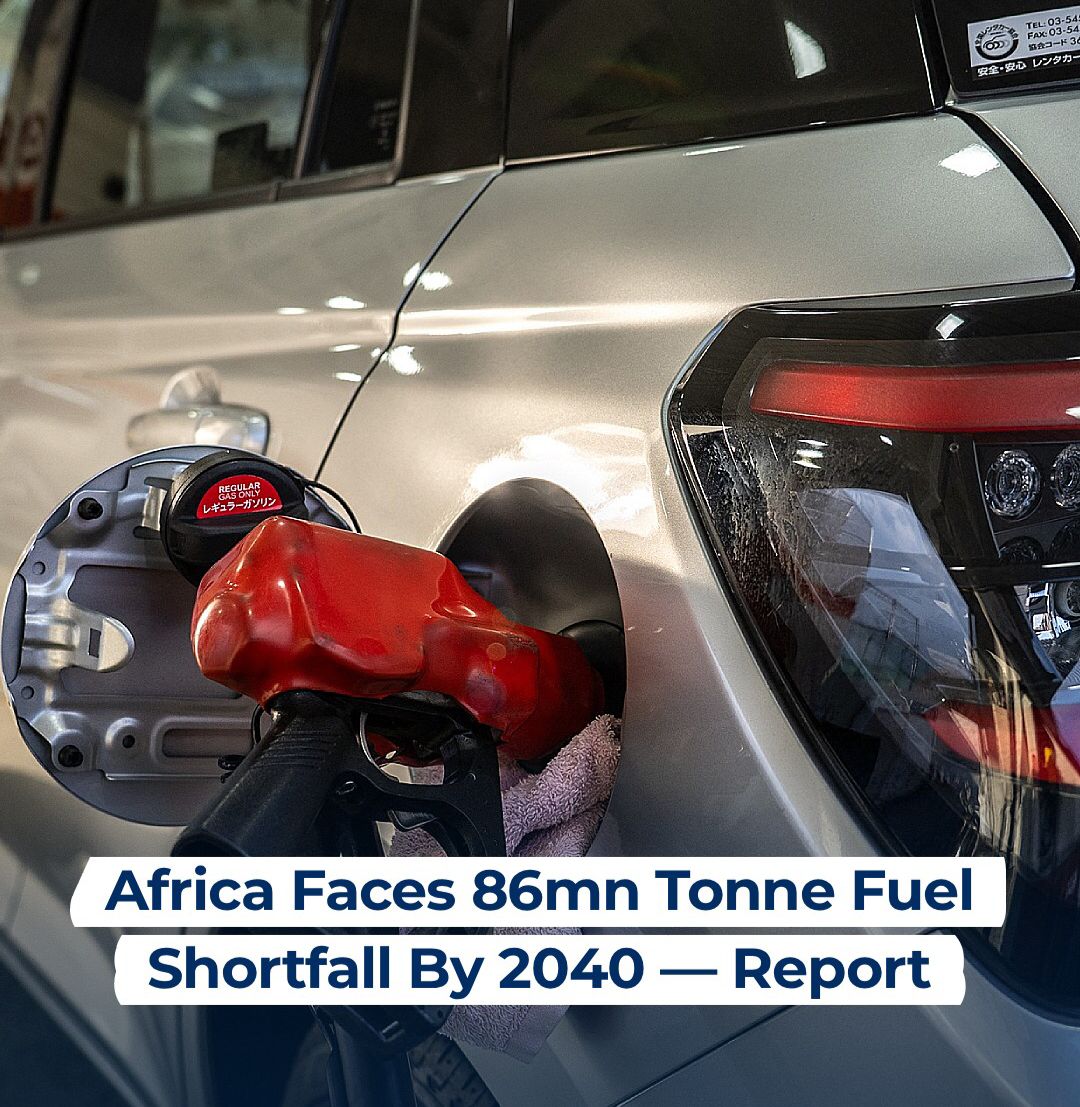
Africa Faces 86 Million Tonne Fuel Shortfall by 2040 as Iran War Exposes Energy Vulnerabilities Africa is projected to face an 86 million tonne fuel shortfall by 2040, as the ongoing Iran conflict exposes the continent’s dependence on vulnerable global oil supply routes and shipping chokepoints, according to the Africa Finance Corporation AFC The AFC said in a report released in Nairobi that the war in Iran has highlighted Africa’s exposure to disruptions in key maritime routes such as the Strait of Hormuz, through which a significant share of global oil shipments pass. The report warned that Africa’s reliance on imported refined petroleum will continue to rise from 74 million tonnes in 2023 to 86 million tonnes by 2040 if urgent structural changes are not made. It also noted that Africa currently imports more than 70 percent of its refined fuel and around $230 billion worth of essential goods annually, including food, fertiliser, plastics, and steel. In a major development at the summit where the report was presented, Africa’s richest man, Aliko Dangote, announced plans to build a large-scale refinery in East Africa, similar to his multi-billion-dollar facility in Nigeria. Dangote made the commitment while addressing Kenyan President William Ruto and Ugandan President Yoweri Museveni, stating that the project would help reduce Africa’s dependence on imported fuel and strengthen regional energy security. “I can give commitment to the two presidents that are here: if they will support the refinery, we’ll build the identical one that we have in Nigeria 650,000 barrels,” Dangote said. He added that the proposed refinery would match the capacity of his Nigerian facility, currently the largest in Africa, and could serve multiple East African countries once completed The AFC warned that Africa’s fuel import gap is equivalent to nearly three of Dangote’s Nigerian refineries, underscoring the scale of the continent’s vulnerability. The report said the Iran war has intensified concerns about supply chain disruptions, especially for East African countries heavily dependent on imported fuel. At the summit, regional leaders stressed the need for Africa to reduce reliance on external energy sources and invest in domestic refining capacity to shield economies from global shocks. Experts say the planned East African refinery initiative, alongside other regional energy projects, could play a critical role in reducing Africa’s exposure to global fuel crises.
However, analysts warn that financing, political coordination, and infrastructure challenges will determine whether the continent can successfully bridge its widening fuel gap before 2040.