Abuja High Court Fines EFCC ₦500,000 For Delays In Godwin Emefiele’s Trial
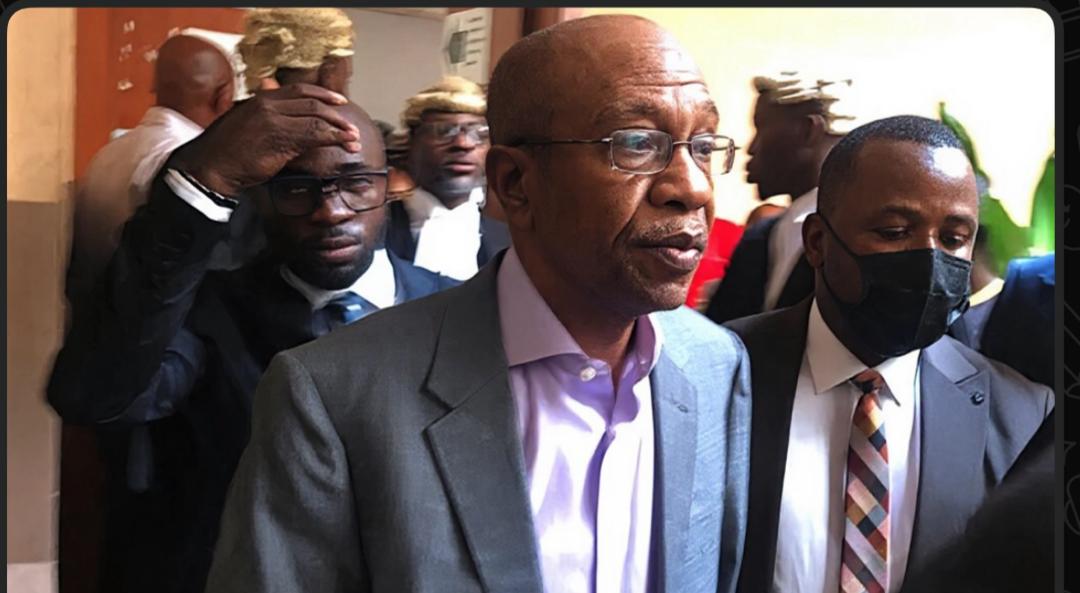
Abuja High Court fines EFCC ₦500,000 for delays in Godwin Emefiele’s trial An Abuja Federal High Court has fined the Economic and Financial Crimes Commission (EFCC) ₦500,000 for repeatedly seeking adjournments in the ongoing corruption trial of former Central Bank of Nigeria (CBN) Governor, Godwin Emefiele. The ruling was delivered on Tuesday by Justice Hamza Muazu, who imposed the fine after the prosecution failed to produce its 13th scheduled witness, DCP Edwin Okpoziakeo, prompting another delay in court proceedings.
Mr Emefiele, Nigeria’s former apex bank chief, is standing trial on multiple charges including criminal breach of trust, forgery, abuse of office, conspiracy to obtain by false pretence and obtaining money by false pretence related to the alleged fraudulent acquisition of $6.23 million, purportedly intended for international election observers during the 2023 general elections.
The EFCC has accused the ex‑CBN governor of orchestrating the withdrawal of funds under dubious pretences, while Mr Emefiele pleads not guilty to all the counts before the court. During Tuesday’s hearing, counsel for the EFCC informed the court that the prosecution’s witness could not appear in court due to administrative procedures and a personal matter in another court. However, Justice Muazu expressed concern over the continuing delays and fined the anti‑graft agency for failing to comply with the schedule, particularly after the court had granted multiple adjournments at the prosecution’s request.
The defence counsel, Matthew Burkaa (SAN), argued that the number of adjournments granted to the EFCC already exceeded limits under the Administration of Criminal Justice Act (ACJA) 2015, emphasising that earlier requests for accelerated hearing had been made. Following the fine, Justice Muazu adjourned the case to April 27, 2026, for continuation of hearing and to allow the prosecution another opportunity to present its witness and proceed with the case. The development adds pressure on the EFCC to streamline its case presentation and keep the trial on schedule after months of procedural delays that have frustrated both the court and the defence.