Nigerian Railway Corporation Still Runs At A Loss Despite Heavy Government Investment
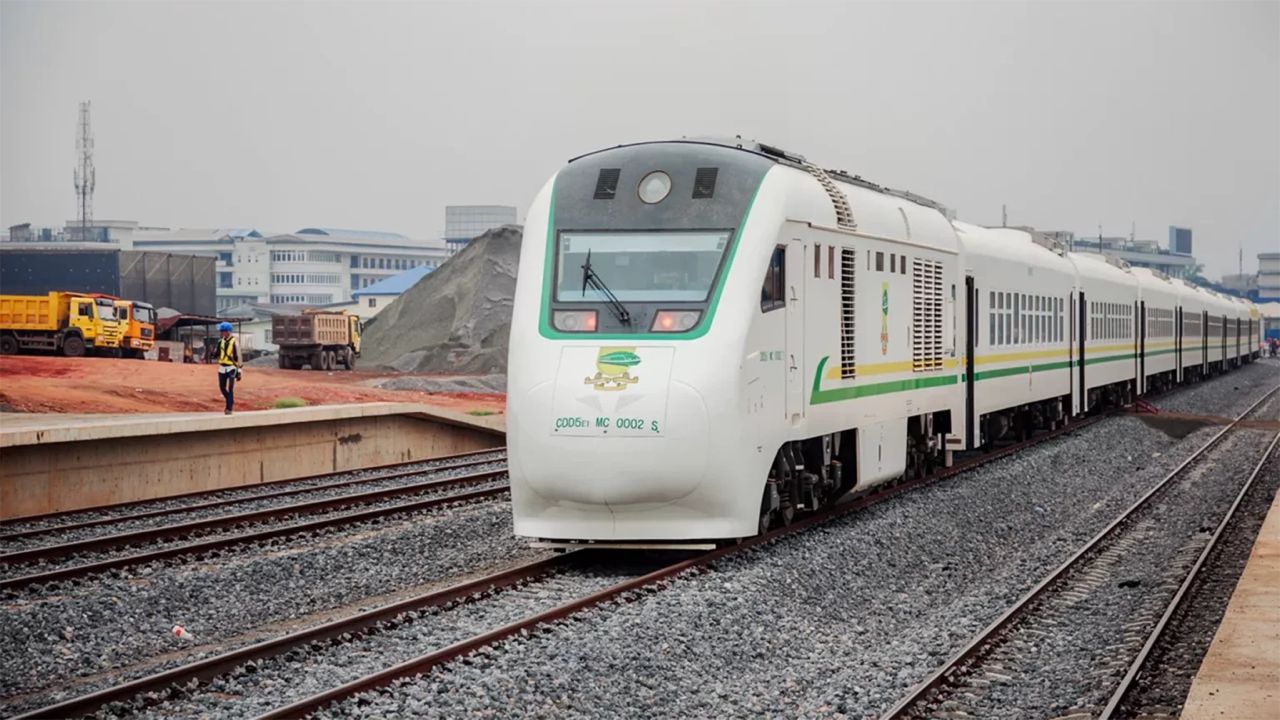
Nigerian Railway Corporation Still Runs at a Loss Despite Heavy Government Investment More than a century after its establishment, the Nigerian railway system continues to operate at a financial loss despite substantial government funding and repeated rehabilitation efforts, raising concerns about the sustainability of the sector and its contribution to economic development. The state owned Nigerian Railway Corporation NRC has relied heavily on government support and external borrowing to maintain operations and expand infrastructure. While successive administrations have invested billions of naira in rail modernization projects, the corporation has yet to achieve financial self-sufficiency. Industry observers note that rail transportation has historically served as a catalyst for economic growth in many countries by reducing logistics costs, improving connectivity, and supporting industrial development. Nations such as China, India and several European economies have leveraged rail networks to boost trade, mobility and regional integration. In Nigeria, however, challenges including inadequate infrastructure, operational inefficiencies, low freight volumes, security concerns and maintenance costs have limited the sector’s commercial viability. As a result, revenues generated from passenger and freight services have been insufficient to cover operating expenses. Experts argue that a stronger focus on freight transportation, private-sector participation and improved network connectivity could help the railway system become more economically sustainable. They also stress the importance of linking rail infrastructure to ports, industrial hubs and agricultural corridors to maximize economic benefits. The continued dependence on loans and government subsidies comes at a time when public finances face increasing pressure from competing infrastructure and social spending needs. Analysts warn that without significant reforms, the corporation may struggle to transition from a publicly funded service to a commercially viable transport enterprise. Despite the financial challenges, stakeholders maintain that rail remains critical to Nigeria’s long-term development strategy. They argue that an efficient railway network can reduce pressure on roads, lower transportation costs, improve trade competitiveness and support broader economic growth. The debate over the future of Nigeria’s rail sector continues as policymakers seek ways to balance public investment with financial sustainability while expanding transportation infrastructure across the country.