Obi Questions Tinubu’s Rising Debt Profile, Demands Accountability As IMF Flags Risks Over New Borrowing Plan
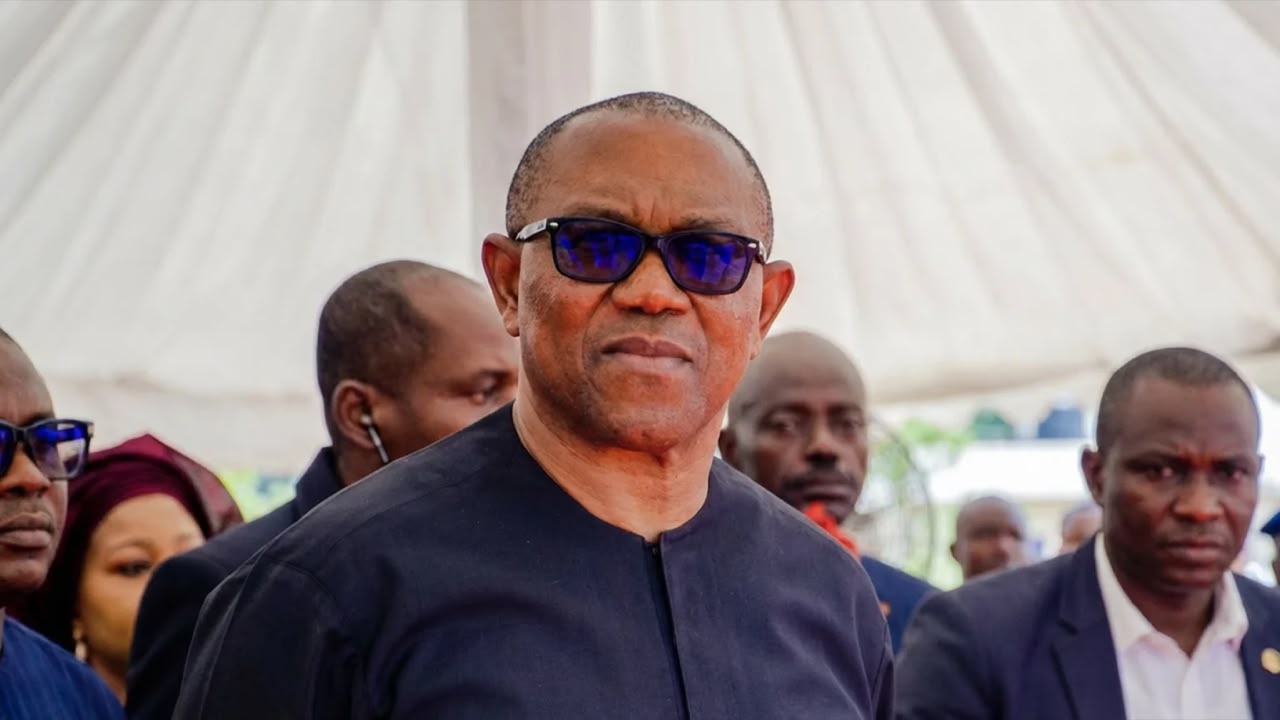
Obi Questions Tinubu’s Rising Debt Profile, Demands Accountability as IMF Flags Risks Over New Borrowing Plan Former presidential candidate Peter Obi has challenged President Bola Ahmed Tinubu to provide a detailed explanation for Nigeria’s rapidly growing public debt, amid concerns over a proposed $5 billion external borrowing plan and warnings from the International Monetary Fund IMF.
Obi expressed concern over what he described as a dramatic increase in Nigeria’s debt burden since the current administration assumed office, arguing that citizens deserve transparency on how borrowed funds have been utilized and the economic returns generated from the loans. He called for greater accountability in public finance management, stressing that future generations would ultimately bear the burden of excessive borrowing. The criticism follows reports that Nigeria’s total public debt has climbed significantly, with the opposition figure questioning the sustainability of continued borrowing amid persistent economic challenges, rising inflation and growing hardship among citizens. Obi argued that borrowing should be tied to productive investments capable of generating measurable economic growth and improving living standards. In response, the Presidency defended the administration’s economic policies, attributing much of the increase in the naira value of Nigeria’s debt stock to the sharp depreciation of the national currency following foreign exchange reforms. Government officials have maintained that exchange-rate adjustments significantly inflated the naira-denominated value of existing external obligations, even where actual foreign-currency debt levels did not rise proportionately.Officials also argue that borrowing has been necessary to finance infrastructure projects, social interventions and economic reforms aimed at stabilizing the economy and supporting long-term growth. The administration insists that debt levels remain manageable when assessed against Nigeria’s economic potential and revenue outlook. The debate intensified following reports that the federal government is seeking a $5 billion financing arrangement from a major financial institution in the United Arab Emirates to support budgetary and development needs. The proposal has attracted scrutiny from economic analysts and international financial institutions. The IMF has reportedly raised concerns about the risks associated with the planned borrowing, cautioning that additional debt obligations could increase fiscal pressures if not accompanied by stronger revenue generation, improved expenditure management and sustained economic reforms. The Fund has consistently advised Nigeria to strengthen domestic revenue mobilization and reduce reliance on debt financing. Economic experts note that Nigeria faces the difficult challenge of balancing development financing needs with fiscal sustainability. While infrastructure deficits and social spending demands remain significant, analysts warn that rising debt-service costs could limit the government’s ability to fund critical sectors such as health, education and security. The controversy has reignited broader discussions about public debt management, transparency and economic governance. Critics argue that the government must provide clearer disclosures on borrowing decisions, project implementation and expected returns on investment, while supporters contend that strategic borrowing is necessary to address decades of infrastructure underinvestment. As Nigeria navigates economic reforms and seeks new sources of financing, the growing debate between the opposition and the government underscores the importance of balancing development objectives with long-term fiscal responsibility and public accountability.