Ghana Expands Emergency Care Access As Ambulance Fleet Grows And Rural Tricycle Units Improve Coverage
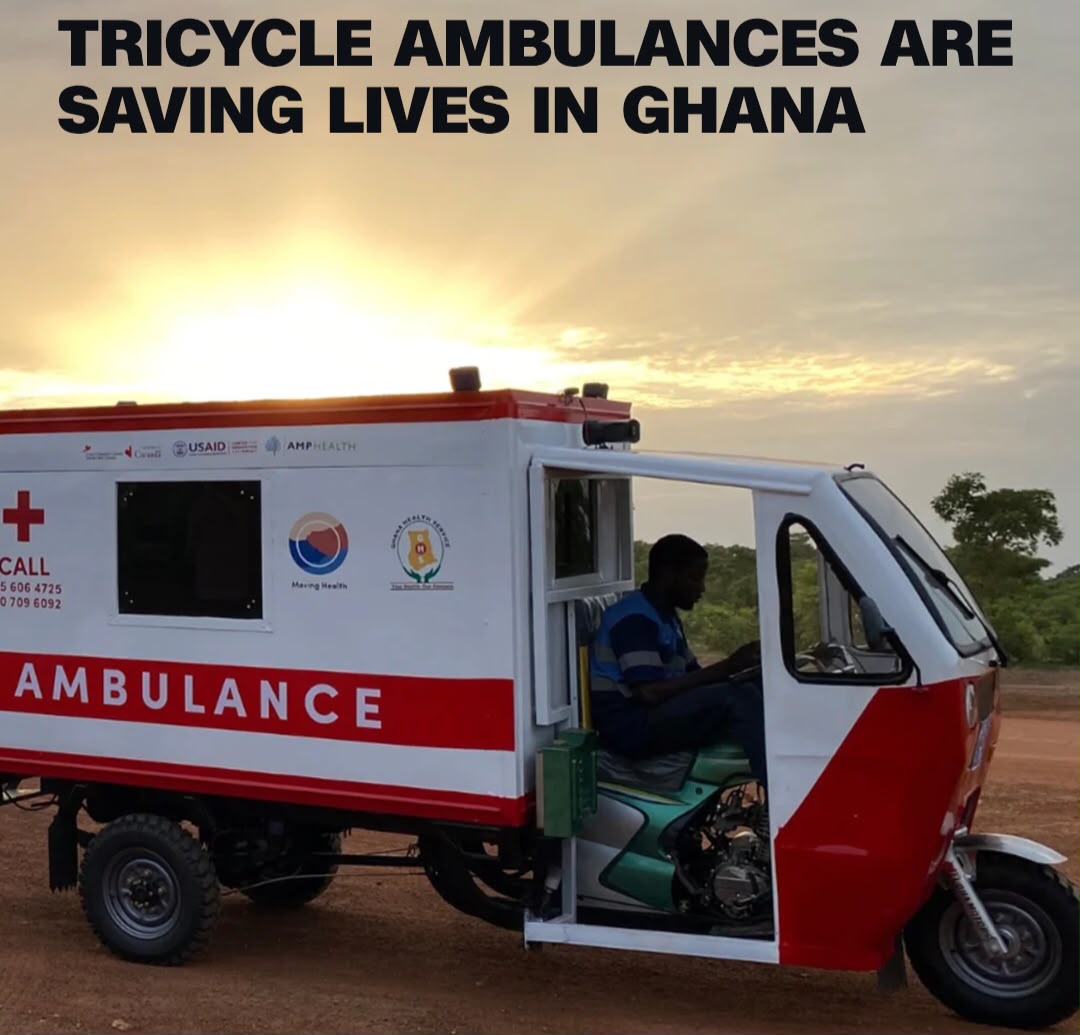
Ghana Expands Emergency Care Access as Ambulance Fleet Grows and Rural Tricycle Units Improve Coverage A major shift in emergency healthcare access in Ghana has been reported over the past few years, with significant growth in ambulance services and new last-mile transport solutions aimed at reaching underserved rural communities. In 2020, a Ghanaian news outlet reported that only 55 ambulances were serving the entire country, highlighting severe limitations in emergency response capacity for a population of over 30 million people. By 2024, a study found that the country’s National Ambulance Service had expanded its fleet to 356 ambulances, serving an estimated population of around 35 million. The expansion marks a substantial improvement in national emergency medical coverage, though challenges in rural access remain. To address gaps in hard-to-reach areas, health innovation organisation Moving Health has introduced a fleet of 31 tricycle ambulances across five districts in Ghana. These low-cost, locally adaptable vehicles are designed to navigate rough terrain where conventional ambulances cannot easily operate. According to project data, the initiative has extended emergency transport access to more than 230,000 people in rural communities that are not adequately served by the national ambulance network.Health officials and development partners say the combined approach expanding traditional ambulance services while introducing alternative transport systems is helping bridge long-standing inequalities in emergency healthcare access between urban and rural populations. Despite these improvements, experts note that response times, infrastructure limitations, and staffing constraints continue to pose challenges to fully effective emergency medical coverage across the country. The developments form part of broader efforts to strengthen healthcare delivery systems and reduce preventable deaths caused by delayed access to emergency treatment.