GOLD HITS HISTORIC HIGH
GOLD HITS HISTORIC HIGH
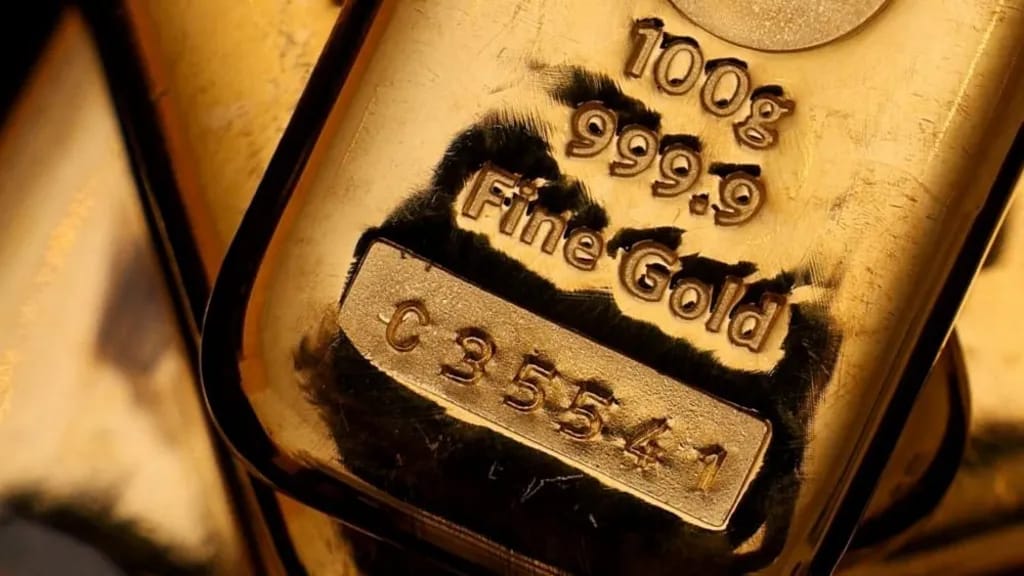
Gold prices have risen above $5,000 (about £3,659) per ounce for the first time ever, marking a new all-time peak in global commodity markets. The precious metal continued its historic rally, climbing above $5,080 with prices briefly exceeding $5,100 as investors sought safety amid ongoing global economic and political uncertainty.
1) Safe-Haven Rush Amid Global Uncertainty
Experts say the rally could continue, with some forecasts suggesting gold may reach $6,000 an ounce or more later this year if geopolitical and economic strains persist.
Gold’s climb above $5,000 is more than a price milestone it reflects deep shifts in investor sentiment amid economic volatility, political risk, shifting monetary policy expectations and broader questions about the health of global financial systems. Analysts view this as a structural shift, with gold increasingly seen not just as a hedge but as a central store of value in uncertain times.
Gold breaks above $5,000 per ounce for the first time.
Safe-haven buying, policy & trade uncertainties, weakening dollar, central bank purchases, inflation & debt fears.
Market Reaction: Silver also hits records; gold ETFs see strong inflows.
Outlook: Analysts forecast continued strength with potential for further record highs.
Gold prices have risen above $5,000 (about £3,659) per ounce for the first time ever, marking a new all-time peak in global commodity markets. The precious metal continued its historic rally, climbing above $5,080 with prices briefly exceeding $5,100 as investors sought safety amid ongoing global economic and political uncertainty.
1) Safe-Haven Rush Amid Global Uncertainty
Investors are flocking to gold a traditional safe-haven asset as fears grow over geopolitical tensions and unstable financial markets. Heightened worries about trade conflicts, military tensions and broader instability are pushing capital into gold.
2) U.S. Policy Uncertainty
Recent policy decisions and rhetoric from the United States including trade threats, tariff debates and concerns over monetary policy direction — have intensified market anxiety. These factors are leading investors to hedge risk with gold.
3) Weakening U.S. Dollar and Monetary Expectations
A softer U.S. dollar has made gold more attractive to international buyers, reinforcing demand.
Anticipation of potential interest rate cuts by the U.S. Federal Reserve also boosts gold’s appeal because gold does not pay interest or dividends, making it relatively more attractive when yields fall.
4) Central Bank Buying
Central banks around the world especially in Asia and emerging economies have continued large purchases of gold, diversifying reserves away from traditional currencies and supporting higher prices.
5) Inflation and Global Debt Concerns
Worries about inflation and growing sovereign debt levels have strengthened gold’s role as a hedge — investors are increasingly turning away from bonds and fiat currency risk toward precious metals.
Alongside gold’s surge, silver also reached record highs above $100 per ounce, reflecting broad safe-haven demand.
Exchange-traded funds (ETFs) backed by gold have seen record inflows, and institutional buyers, including sovereign wealth funds and central banks, are increasing holdings.
Investors are flocking to gold a traditional safe-haven asset as fears grow over geopolitical tensions and unstable financial markets. Heightened worries about trade conflicts, military tensions and broader instability are pushing capital into gold.
2) U.S. Policy Uncertainty
- Recent policy decisions and rhetoric from the United States including trade threats, tariff debates and concerns over monetary policy direction have intensified market anxiety. These factors are leading investors to hedge risk with gold.
3) Weakening U.S. Dollar and Monetary Expectations - A softer U.S. dollar has made gold more attractive to international buyers, reinforcing demand.
- Anticipation of potential interest rate cuts by the U.S. Federal Reserve also boosts gold’s appeal because gold does not pay interest or dividends, making it relatively more attractive when yields fall.
4) Central Bank Buying - Central banks around the world especially in Asia and emerging economies have continued large purchases of gold, diversifying reserves away from traditional currencies and supporting higher prices.
5) Inflation and Global Debt Concerns - Worries about inflation and growing sovereign debt levels have strengthened gold’s role as a hedge investors are increasingly turning away from bonds and fiat currency risk toward precious metals.
Alongside gold’s surge, silver also reached record highs above $100 per ounce, reflecting broad safe-haven demand.
Exchange-traded funds (ETFs) backed by gold have seen record inflows, and institutional buyers, including sovereign wealth funds and central banks, are increasing holdings. - Experts say the rally could continue, with some forecasts suggesting gold may reach $6,000 an ounce or more later this year if geopolitical and economic strains persist.
Gold’s climb above $5,000 is more than a price milestone it reflects deep shifts in investor sentiment amid economic volatility, political risk, shifting monetary policy expectations and broader questions about the health of global financial systems. Analysts view this as a structural shift, with gold increasingly seen not just as a hedge but as a central store of value in uncertain times.
Gold breaks above $5,000 per ounce for the first time.
Reasons: Safe-haven buying, policy & trade uncertainties, weakening dollar, central bank purchases, inflation & debt fears.
Market Reaction: Silver also hits records; gold ETFs see strong inflows. Outlook: Analysts forecast continued strength with potential for further record highs.