Scientists Discover Dozens Of Potentially New Species In Remote Angolan Wilderness
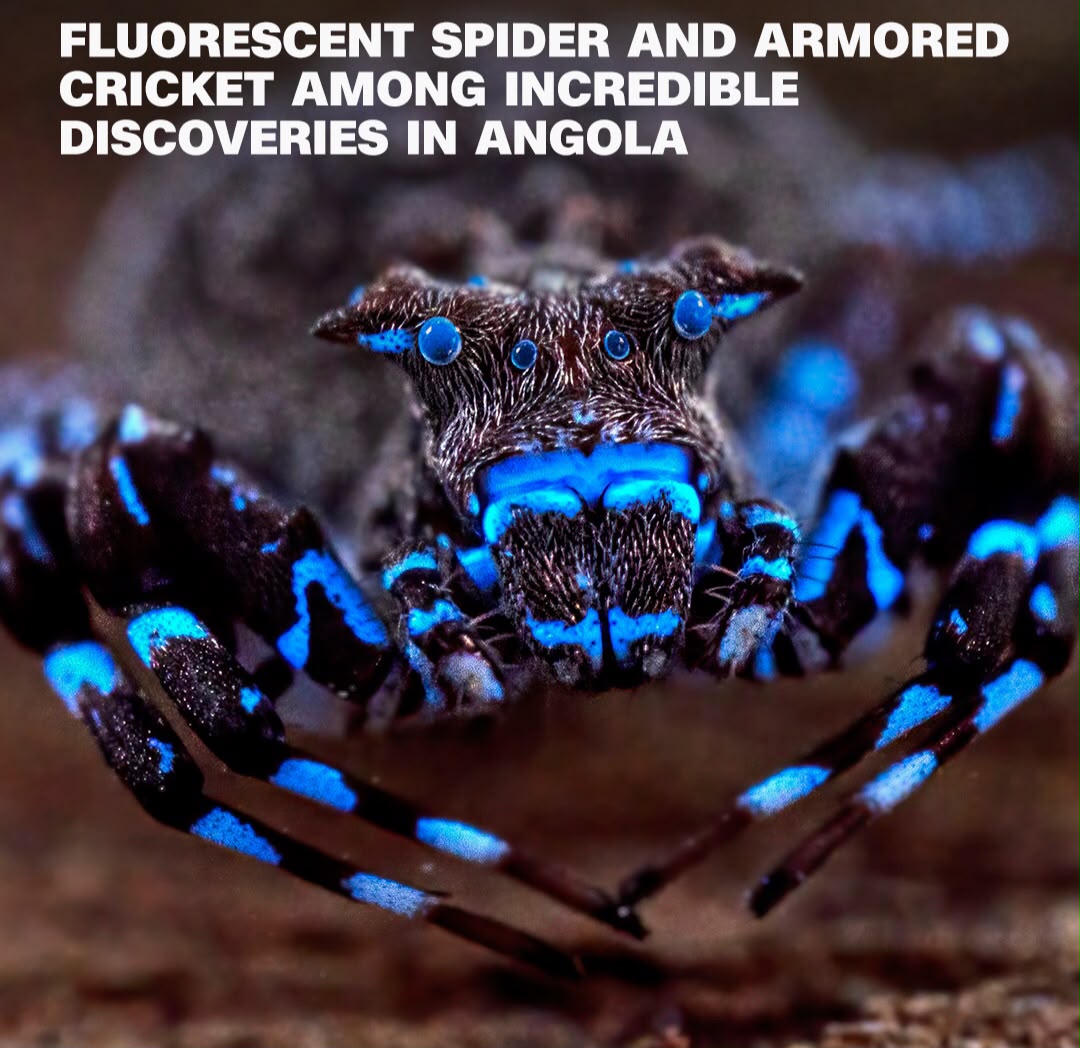
Scientists discover dozens of potentially new species in remote Angolan wilderness An international scientific expedition to eastern Angola has uncovered dozens of species that may be new to science, in a region described by researchers as “one of Africa’s last great biodiversity blank spots. The discoveries were made during a February 2026 survey of the remote Lisima Plateau, an isolated area of eastern Angola that has remained largely unexplored due to decades of civil war, landmines, and difficult access. The expedition was led by conservation organization The Wilderness Project as part of the Cassai Life Atlas initiative. Researchers reported finding an extraordinary range of previously undocumented wildlife, including
- Eight potentially new species of dragonflies
- Three previously unknown grasshopper species
- Around 60 moth and butterfly species believed to be new to science;
- A fluorescent crowned crab spider that glows blue under ultraviolet light;
- A striking orange-colored orb-web spider with unique defensive adaptations.
Scientists also recorded more than 100 dragonfly and damselfly species, with dozens never before documented in the Lisima region. Several species have already been added to Angola’s national biodiversity records, while others are undergoing formal scientific description. The Lisima Plateau sits at the headwaters of four major African river systems the Congo, Okavango, Zambezi, and Cuanza rivers—making it a critical ecological zone. Despite its importance, the region has remained largely uncharted by scientists for decades. Expedition leader Rob Taylor said the team expected to find significant biodiversity but was surprised by the scale of the discoveries. According to researchers, the area’s long isolation helped preserve habitats that have experienced relatively little human disturbance compared with many other ecosystems across the continent. The survey was conducted during Angola’s rainy season and faced numerous logistical obstacles. Team members battled flooded terrain, vehicles trapped in mud, equipment failures, and cases of malaria during the expedition. Despite the setbacks, scientists continued surveying nearby wetlands, forests, and grasslands whenever travel was delayed.Researchers warned that the newly documented biodiversity faces growing threats from deforestation, artisanal diamond mining, and slash-and-burn agriculture. They stressed that documenting new species is only the first step toward protecting the habitats on which they depend. Taylor said the ultimate goal of the project is not simply to identify previously unknown species but to ensure the long-term conservation of one of Africa’s most biologically important landscapes. The discoveries add to a growing body of scientific evidence showing that Angola remains one of the most underexplored biodiversity hotspots in Africa. Researchers believe further surveys could reveal many more species previously unknown to science, underscoring the importance of continued exploration and conservation efforts in the region.