Air Strikes Between The United States And Iran Resumed Over The Weekend
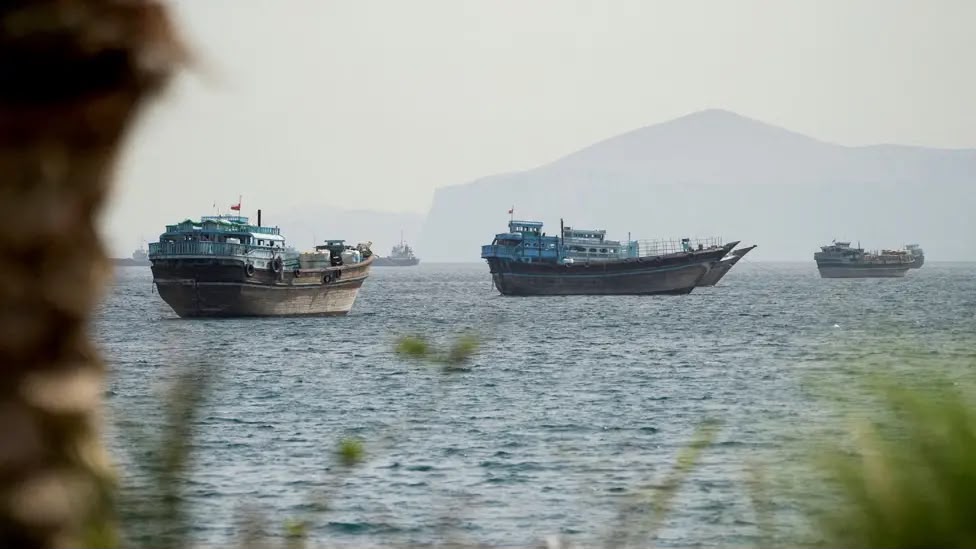
Air strikes between the United States and Iran resumed over the weekend, raising fresh concerns about the stability of the fragile ceasefire surrounding the strategic Strait of Hormuz, one of the world’s most important oil shipping routes. According to the U.S. military, American forces carried out strikes against Iranian radar installations and drone command-and-control facilities on Qeshm Island and near the city of Goruk. U.S. Central Command said the attacks were launched in response to what it described as “aggressive Iranian actions,” including the downing of an American MQ-1 drone operating over international waters. Iran, however, disputed the U.S. account and claimed the drone had violated Iranian territorial airspace. Iranian officials said their forces acted defensively and accused Washington of breaching understandings reached during ongoing ceasefire negotiations.The latest exchange marks another escalation in the months-long confrontation linked to the wider Strait of Hormuz crisis. Since early 2026, Iran and the United States have repeatedly clashed over shipping access through the narrow waterway, which handles a significant share of global oil and natural gas exports. Following the U.S. strikes, Iran reported retaliatory military action and claimed it had targeted facilities used by American forces in the Gulf region. Kuwait later confirmed that missile and drone attacks had occurred near its territory, condemning the incident as a serious violation of international law. The renewed fighting has also rattled energy markets. Oil prices rose sharply as traders reacted to fears that disruptions around the Strait of Hormuz could threaten global supplies. Brent crude and West Texas Intermediate futures both gained more than 3% amid growing concerns that the conflict could further affect shipping through the region.Despite the military exchanges, diplomatic contacts between Washington and Tehran continue. Reports indicate that negotiators are still discussing proposals aimed at extending the ceasefire, easing sanctions, and guaranteeing safe passage through the Strait of Hormuz. However, analysts warn that repeated clashes are undermining confidence in any long-term agreement. The Strait of Hormuz remains at the center of the dispute. Iran has maintained restrictions on shipping in the area since the conflict escalated earlier this year, while U.S. forces have continued operations designed to protect commercial vessels and reopen maritime traffic. The waterway is considered one of the world’s most strategically important energy chokepoints.