Dele Oye Faults Tinubu’s Borrowing, Warns Nigeria’s Debt Crisis Deepening
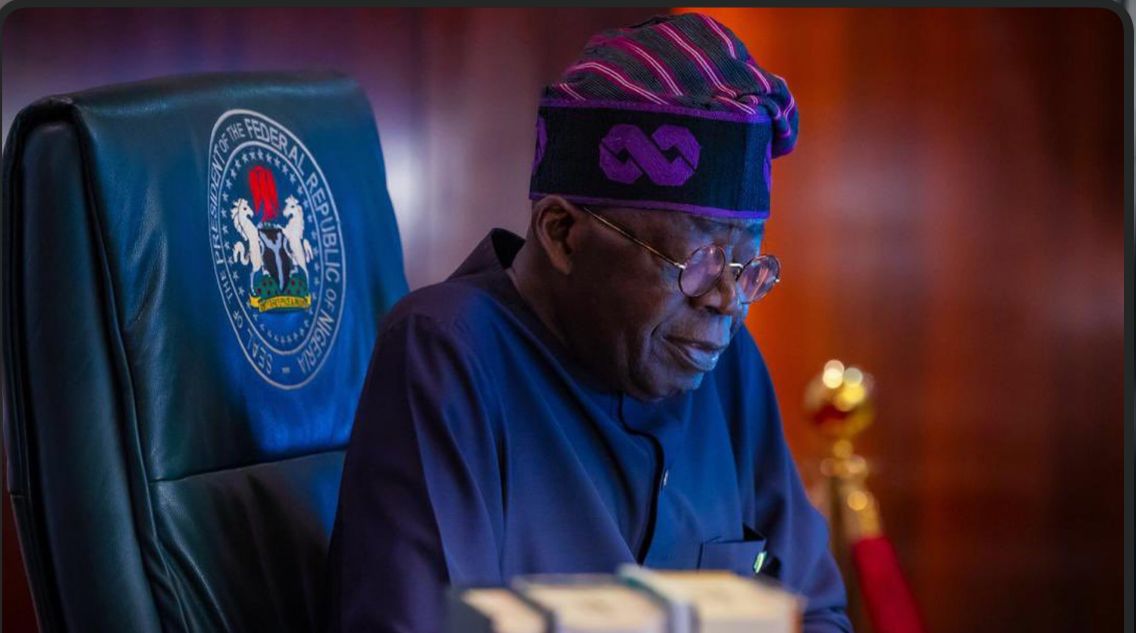
Dele Oye Faults Tinubu’s Borrowing, Warns Nigeria’s Debt Crisis Deepening The Chairman of the Alliance for Economic Research and Ethics LTD/GTE, Dele Oye, has criticised the rising debt profile under President Bola Tinubu, warning that the Federal Government’s borrowing pace could worsen Nigeria’s fiscal challenges.Speaking on the country’s mounting debt burden, Oye stated that the Tinubu administration had borrowed approximately ₦65.9 trillion within just 24 months a figure he claimed exceeds the cumulative debt Nigeria accumulated during the previous 55 years since. Independence.According to him, Nigeria’s total public debt has now climbed to about ₦159.28 trillion, translating to an estimated debt burden of roughly ₦670,000 for every Nigerian citizen. He warned that the continued rise in borrowing could place long-term pressure on public finances and reduce the government’s ability to fund critical sectors such as healthcare, education, and infrastructure.Oye recalled that in 2006, under former President Olusegun Obasanjo, Nigeria achieved a major debt relief milestone after paying $12 billion to clear about $30 billion owed to the Paris Club, temporarily leaving the country almost debt-free externally. He contrasted that period with the current situation, describing Nigeria’s present debt trajectory as alarming.He further argued that debt accumulation accelerated significantly during the administration of former President Muhammadu Buhari, with the country’s debt reportedly rising from about ₦12.06 trillion to ₦87.38 trillion over eight years. Oye added that the Tinubu administration has continued on the same path through new domestic and external borrowing initiatives.The economist urged the Federal Government to strengthen revenue generation, improve fiscal discipline, and reduce reliance on loans in order to prevent future economic strain. He stressed that unchecked borrowing could increase debt servicing costs and limit economic opportunities for future generations.The criticism comes amid growing public concern over Nigeria’s debt sustainability, with analysts and advocacy groups increasingly questioning the long-term impact of the government’s borrowing strategy on economic growth and living standards.