Cuba Poses National Security Threat To U.S., Peace Deal Likely “Not High Marco Rubio
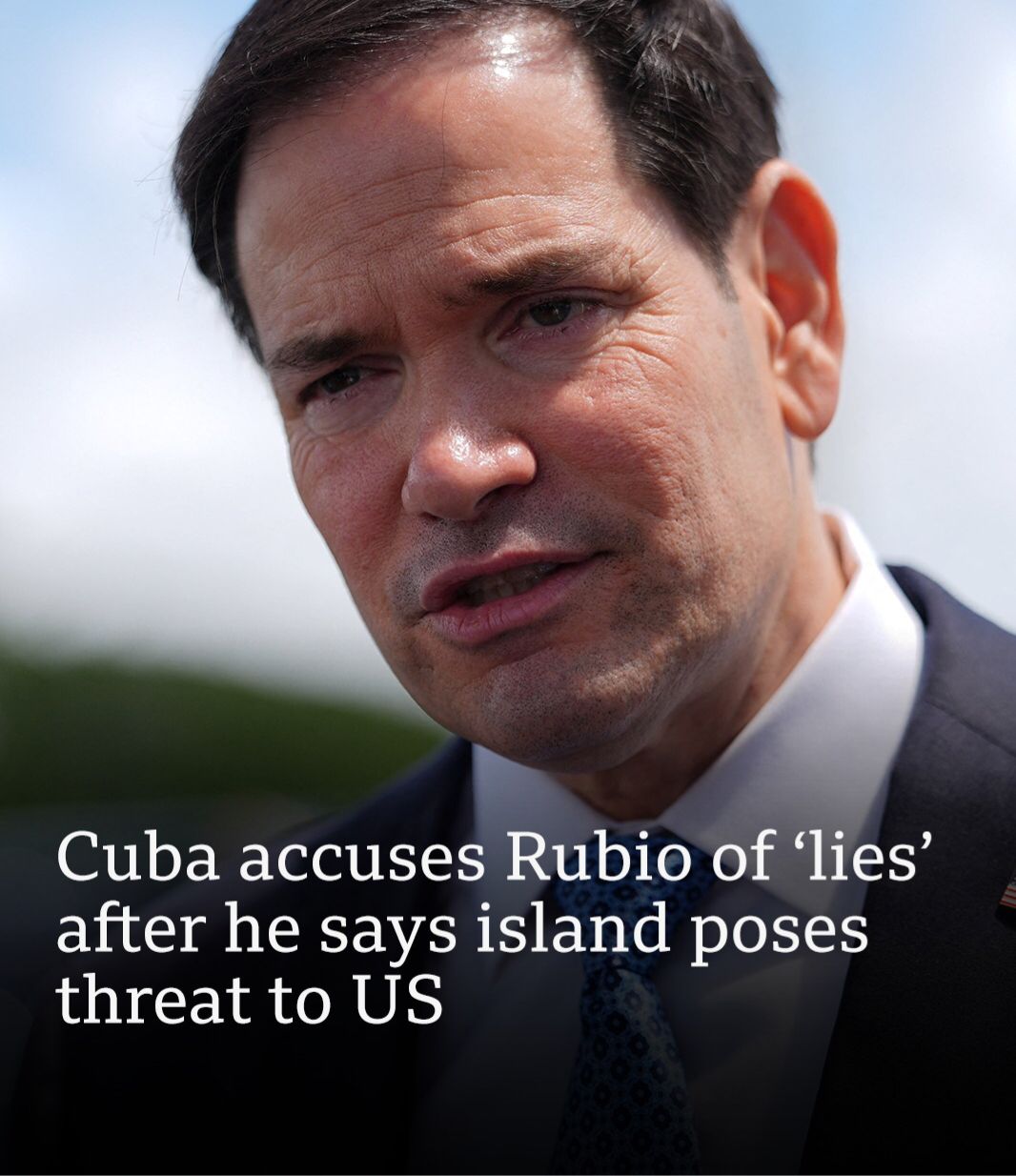
Cuba Poses National Security Threat to U.S., Peace Deal Likely “Not High Marco Rubio U.S. Secretary of State Marco Rubio has said that Cuba represents a “national security threat” to the United States and warned that the likelihood of reaching a peaceful, negotiated agreement with Havana is “not high,” signaling continued escalation in already strained U.S.–Cuba relations. Rubio made the remarks amid intensifying diplomatic and political tensions between Washington and Havana, including U.S. accusations over Cuba’s military, intelligence, and geopolitical ties with rival powers. Rubio argued that Cuba’s government maintains security and intelligence cooperation with China, Russia, and other U.S.-hostile actors in Latin America, which he said contributes to instability in the Western Hemisphere. U.S. officials have increasingly framed Cuba not only as a long-standing ideological adversary, but also as a strategic concern due to its partnerships and regional influence. The U.S. position also comes alongside broader sanctions and pressure campaigns targeting Cuban institutions, including entities linked to the country’s military-run economic system. Despite reaffirming that the United States prefers diplomatic solutions in principle, Rubio expressed skepticism that meaningful negotiations with Cuba’s current leadership would succeed. He indicated that existing political conditions in Havana make a durable peace agreement difficult, reinforcing Washington’s current hardline approach.U.S. officials have simultaneously continued offering limited humanitarian assistance while maintaining pressure through sanctions and diplomatic isolation measures.The Cuban government has rejected U.S. claims that it poses a security threat, arguing instead that Washington’s policies amount to political coercion and economic pressure.Cuban officials have accused the U.S. of pursuing regime-change objectives, while the U.S. insists its actions are tied to national security concerns and regional stability.
- Expanded U.S. sanctions on Cuban military-linked economic structures
- Public messaging campaigns directed at Cuban citizens
- Heightened political rhetoric from both governments
Analysts say the worsening rhetoric reflects a broader shift toward confrontation, with Cuba increasingly caught in wider geopolitical competition involving the United States, China, and Russia.The situation has also raised concerns about long-term stability in the Caribbean, especially as both countries continue to trade accusations over sovereignty, security, and economic hardship.
For now, Rubio’s remarks underscore a hardened U.S. stance Cuba is seen in Washington not just as a diplomatic challenge, but as a national security issue with limited prospects for near-term reconciliation.