Aid Cuts Under Scrutiny As Deadly Ebola Outbreak Spreads In Congo
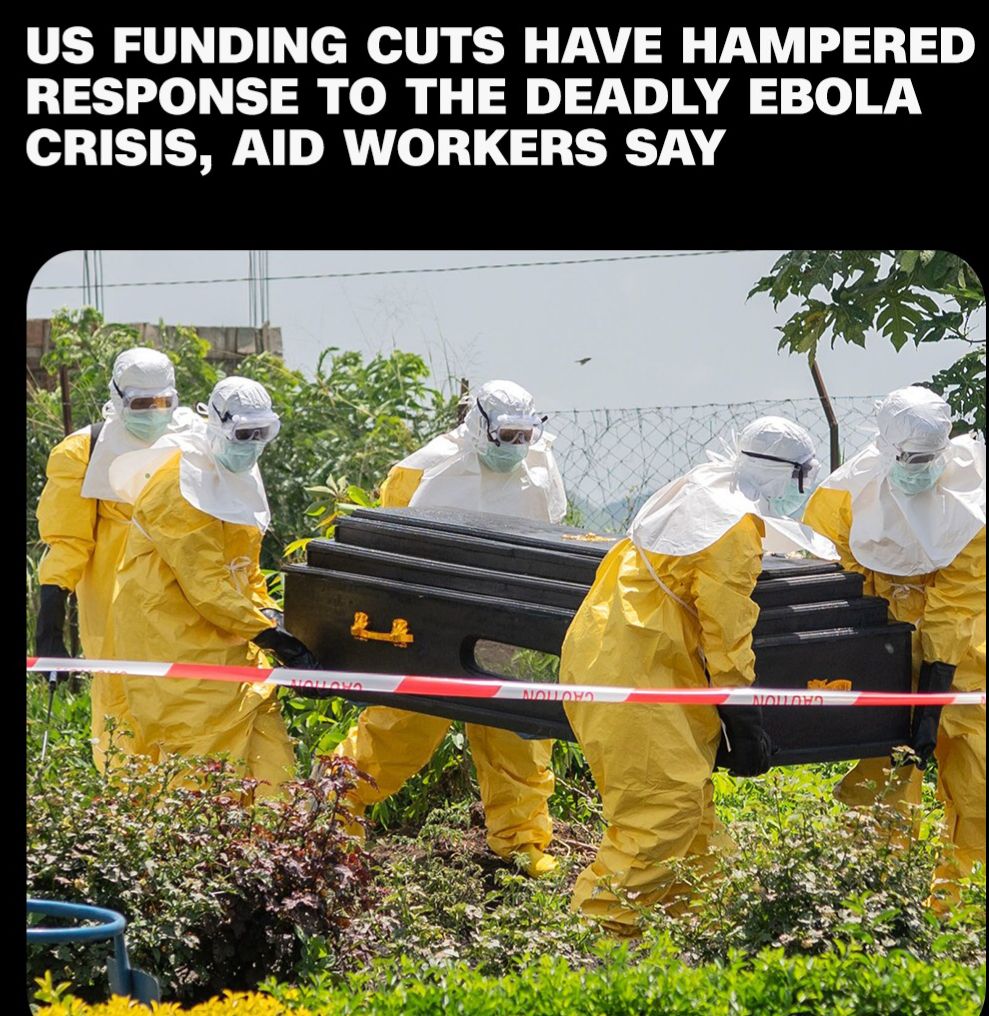
Aid Cuts Under Scrutiny as Deadly Ebola Outbreak Spreads in Congo
As a fast-moving Ebola outbreak devastates northeastern Democratic Republic of the Congo, health workers and humanitarian responders are increasingly blaming deep cuts to international aid especially from the United States for weakening the region’s ability to contain the disease before it spiraled into crisis.The outbreak, centered in Congo’s conflict-hit Ituri province, has already produced hundreds of suspected infections and more than 100 deaths, according to international health agencies. The World Health Organization has declared the situation a global public health emergency amid fears of wider regional spread. Frontline responders told media outlets that years of epidemic-preparedness work were severely disrupted after major reductions in foreign assistance programs.According to reports, layoffs affected disease surveillance teams, sanitation workers, logistics staff, and local health employees previously funded through U.S.-supported aid programs. Many clinics also lost access to
- Protective equipment
- Testing supplies
- Contact-tracing systems
- Emergency transportation such as motorbikes
- Stockpiles of medical materials
Aid organizations operating in the region said staffing reductions forced them to scale back operations even before the outbreak began.Investigations by Reuters, STAT News, and The Washington Post found that American support for Congo’s public health and humanitarian programs fell dramatically between 2024 and 2026. Some USAID-supported programs tied directly to epidemic preparedness were reduced, paused, or shut down entirely. Responders say the consequences became visible when Ebola circulated undetected for weeks before authorities recognized the outbreak.
- Conflict and insecurity
- Underfunded hospitals
- Weak surveillance systems
- Shortages of trained personnel
- Reduced international support
The current outbreak involves the rare Bundibugyo strain of Ebola, for which there is no approved vaccine yet available. Health officials say limited testing capacity and delayed diagnosis allowed the virus to spread widely before containment measures were introduced.
- Hundreds of suspected infections
- More than 130 suspected deaths
- Cases potentially spreading toward neighboring countries including Uganda and South Sudans
The United Nations has since released emergency funding and deployed additional staff and medical supplies to support overwhelmed local clinics. American officials have denied that U.S. policy changes caused the outbreak to worsen, arguing that funding continues through reorganized State Department programs and emergency support channels.
- Deployed CDC resources
- Increased airport health screenings
- Restricted some travel routes from affected regions
However, many public health experts argue that prevention systems dismantled over recent years left Congo dangerously vulnerable before the outbreak erupted.Ebola outbreaks in eastern Congo have historically been difficult to contain because of armed conflict, mass displacement, and weak healthcare infrastructure. Previous outbreaks in the region became some of the deadliest in modern history. Experts now warn that without rapid international intervention, the current outbreak could become one of the most severe Ebola emergencies in years.