Nigeria Tightens Surveillance As WHO Declares Emergency After Ebola Outbreak Kills 88 In Congo
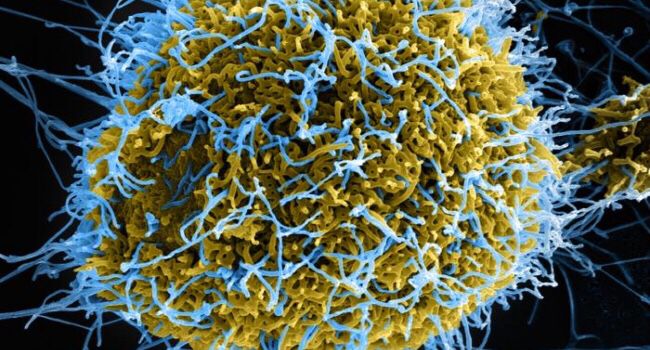
Nigeria Tightens Surveillance as WHO Declares Emergency After Ebola Outbreak Kills 88 in Congo The Nigeria Centre for Disease Control and Prevention NCDC has announced heightened surveillance measures across the country following renewed concerns over Ebola Virus Disease EVD outbreaks in parts of Central and East Africa. The development comes after the World Health Organization WHO declared a public health emergency in response to an Ebola outbreak in the Democratic Republic of Congo DRC, where at least 88 deaths have been reported, alongside suspected spread into Uganda. The NCDC has reassured Nigerians that there is currently no confirmed case of Ebola in the country. However, health authorities say they are maintaining high alert status to prevent any possible importation of the virus through international travel and cross-border movement. According to the agency, surveillance systems at points of entry, hospitals, and laboratories have been activated and strengthened to quickly detect and respond to any suspected case. The agency also noted that Nigeria is applying lessons from its successful containment of the 2014 Ebola outbreak, which was traced to a Liberian traveller and swiftly controlled through coordinated public health response. The WHO’s declaration of a public health emergency follows a fast-spreading outbreak in eastern DRC, where health officials have reported dozens of deaths and hundreds of suspected infections. The outbreak has also raised concern after reports of an imported case in Uganda, indicating cross-border transmission risks in the region. Health experts say the situation is complicated by weak health infrastructure in affected areas, population movement, and ongoing regional instability.
- Enhanced disease surveillance nationwide
- Increased screening at airports and border points
- Rapid response teams on standby
- Public awareness campaigns on Ebola prevention
- Coordination with international health partners
Officials say these steps are aimed at ensuring early detection and rapid containment should any case be imported into Nigeria. Public health experts have warned that West and Central Africa remain at risk due to frequent cross-border travel and trade. They note that Ebola outbreaks can spread quickly if not contained early, especially in areas with limited healthcare access. The WHO and Africa CDC are currently coordinating regional response efforts, including contact tracing, treatment centers, and emergency medical support.
Nigeria’s current vigilance is shaped by its experience in 2014, when the country successfully contained an Ebola outbreak in Lagos through swift contact tracing, isolation, and public cooperation. That response is widely regarded as one of Africa’s most effective Ebola containment efforts.While Nigeria remains free of Ebola cases, health authorities continue to stress the importance of vigilance as outbreaks persist in neighboring regions. The NCDC says early detection, public awareness, and strong surveillance systems remain the country’s best defense against the deadly virus.