Student Dies And Two Others Hospitalized After Meningitis Outbreak In Reading Area Schools
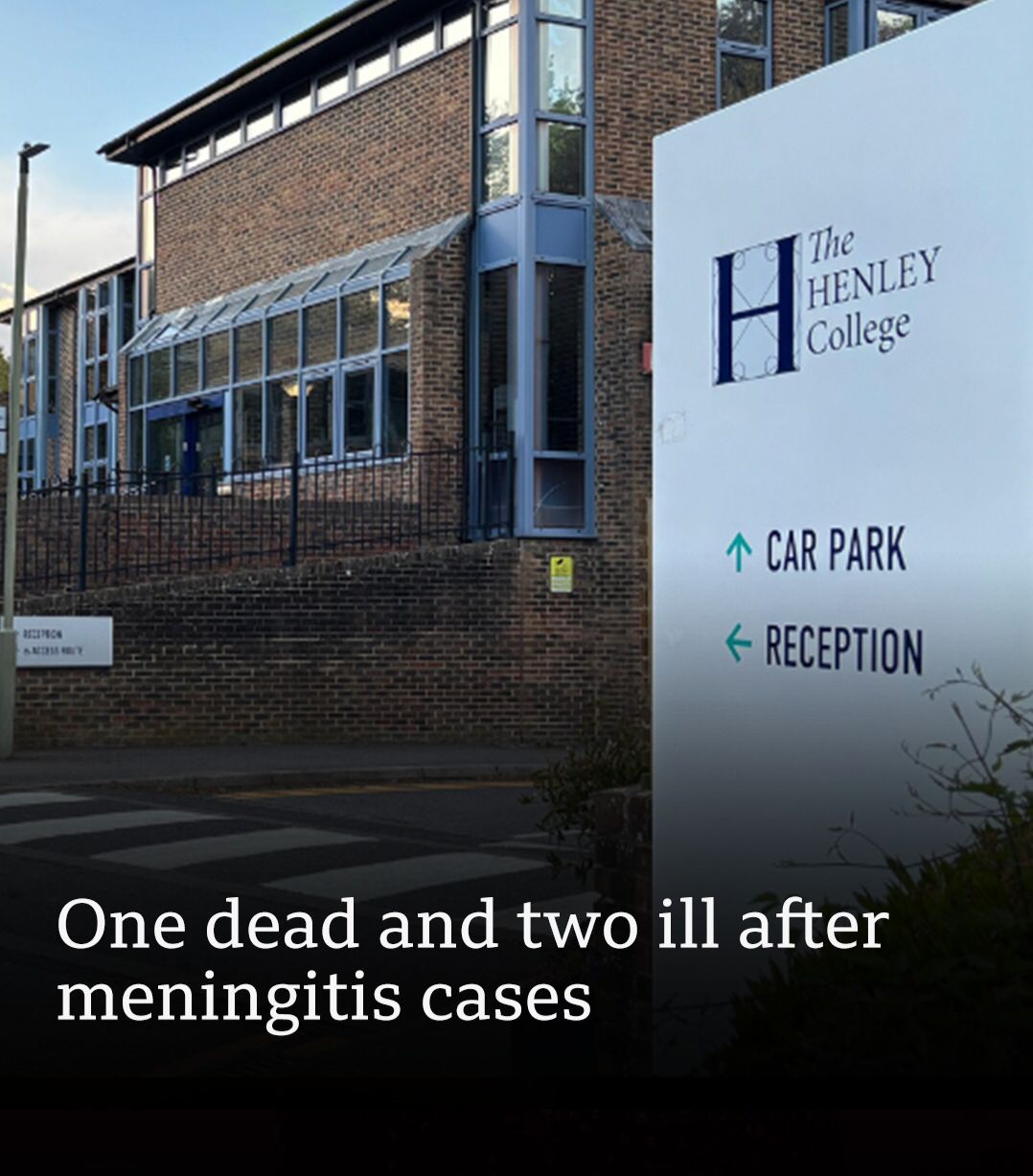
Student dies and two others hospitalized after meningitis outbreak in Reading area schools Health | Public Safety | Infectious Disease | Education A sixth-form college student has died and two other young people are being treated in hospital following a meningitis outbreak affecting schools in the Reading and Oxfordshire area, health authorities have confirmed. The UK Health Security Agency UKHSA said the deceased student attended Henley College in Oxfordshire, while the two other patients are pupils at Reading Blue Coat School and Highdown Secondary School and Sixth Form Centre in Reading. Health officials confirmed that the cases are linked but stressed that the risk to the wider public remains low, as ningococcal meningitis typically requires very close contact to spread. One of the infections has been confirmed as meningitis B MenB, although testing is still ongoing for the remaining cases to determine the exact strain involved. The UKHSA has begun contact tracing and is offering precautionary antibiotics to individuals who may have been in close contact with the affected students in order to reduce the risk of further spread. Authorities have also issued public health advice to schools and families, urging them to watch for symptoms such as fever, headache, vomiting, stiff neck, confusion, and a rash that does not fade under pressure. Early treatment is considered critical due to how rapidly the disease can progress. Despite concern in affected communities, officials emphasized that large outbreaks are rare and that most cases are confined to close-contact groups such as schools or shared social networks.
- One student from Henley College confirmed dead
- Two students from Reading schools receiving hospital treatment
- Cases linked across three separate educational institutions
- One confirmed case identified as meningitis B
- UKHSA conducting contact tracing and preventive antibiotic distribution
- Heightened concern among schools in Reading and Oxfordshire
- Increased monitoring of students and staff in affected institutions
- Public health intervention through antibiotics for close contacts
- Renewed awareness of meningitis symptoms and early warning signs
- Reassurance from health officials that wider community risk remains low Meningococcal meningitis is a rare but serious bacterial infection that can cause inflammation of the brain and spinal cord membranes. It spreads through close personal contact and can progress rapidly, making early detection and treatment essential. Young people in school and college-age groups are among the most affected demographics in the UK. While the outbreak has resulted in a tragic death and hospitalizations, health authorities continue to stress that transmission is limited to close contacts and that swift containment measures are underway to prevent further spread.