Celebrity Boxing In Nigeria Has Moved From Online Drama Into A Fast-growing
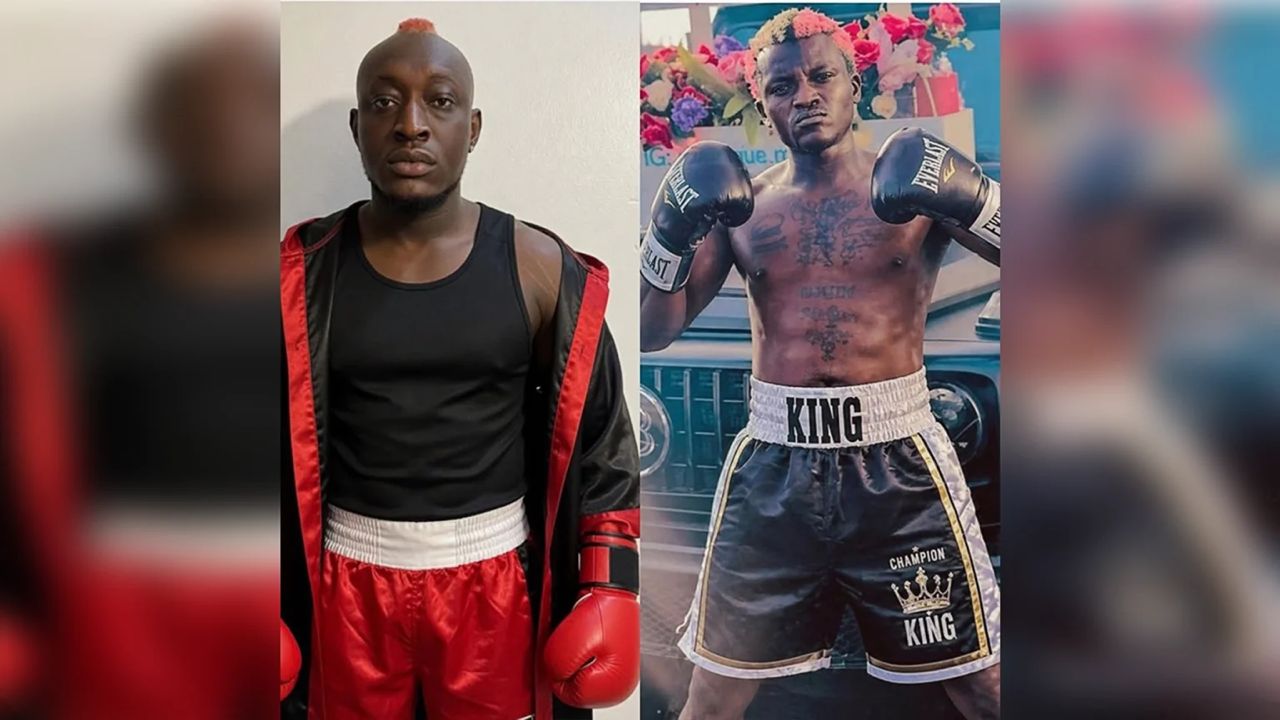
Celebrity boxing in Nigeria has moved from online drama into a fast growing entertainment phenomenon, attracting what many observers describe as a “cult followership” among young fans, while also raising questions about the long-term future of traditional boxing in the country. The trend, which began with celebrities settling social media disputes inside the ring, has quickly evolved into organised events drawing large crowds, sponsorship interest, and intense online engagement. At the centre of the movement are entertainers such as Portable and Carter Efe, whose bouts have helped push the concept into mainstream popularity. One of the biggest turning points came with high-profile events like “Chaos in the Ring,” where celebrity fighters battled in front of packed venues in Lagos, with matches streamed widely across social media platforms. These fights are often driven more by personality clashes and online rivalries than professional boxing experience, yet they consistently attract massive attention from fans. Supporters of the trend say it has created a new form of entertainment that blends sport, comedy, and internet culture. Organisers argue that it gives celebrities a structured way to settle disputes while also generating revenue through ticket sales, streaming rights, and sponsorship deals. The popularity of celebrity boxing has been boosted by its viral nature, with pre-fight drama, social media banter, and post-fight reactions often generating more attention than the matches themselves. In some cases, the fights have even reshaped celebrity reputations and sparked widespread online debate across Nigeria’s entertainment space. However, the rise of the trend has also triggered concern among sports analysts and boxing stakeholders, who warn that it reflects a deeper decline in structured boxing development in Nigeria. Critics argue that the focus on celebrity bouts risks overshadowing professional fighters and weakening investment in grassroots boxing systems. Some observers describe the phenomenon as sitting between sport and spectacle ntertaining but lacking the technical standards and discipline of professional boxing. Others worry about safety, as many participants are not formally trained athletes, increasing the risk of injury during fights.
Despite these concerns, the trend continues to grow rapidly, fuelled by social media influence, youth engagement, and commercial interest. Analysts say its future will depend on whether organisers can introduce stronger regulation, safety standards, and clearer links to Nigeria’s traditional boxing ecosystem. For now, celebrity boxing remains one of the most talked-about entertainment trends in Nigeria part sport, part spectacle, and increasingly, a major cultural force among young audiences.