Weak Budget Credibility Threatens Nigeria’s Fiscal Stability, Fuels Opaque Spending,
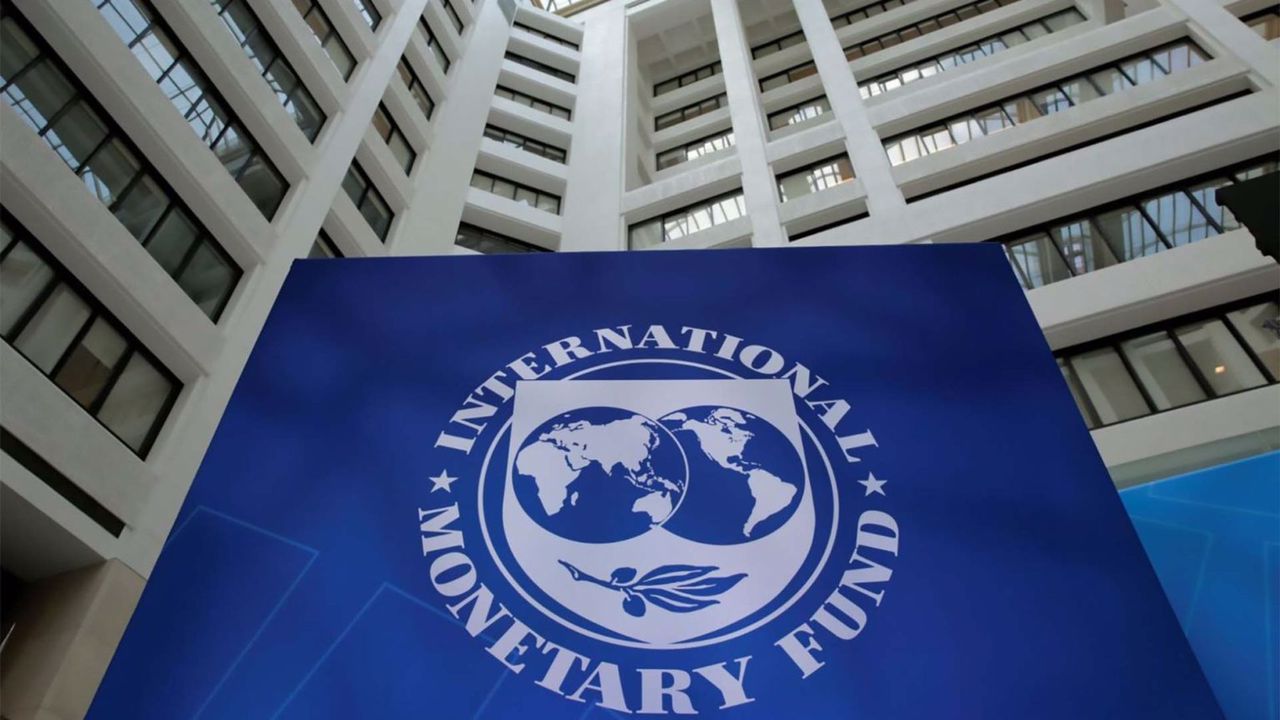
Weak budget credibility threatens Nigeria’s fiscal stability, fuels opaque spending, revenue gaps, and undermines public trust, the International Monetary Fund IMF has warned, raising fresh concerns about the country’s budget execution and financial. The IMF, in its latest assessment of fiscal performance, said persistent weaknesses in Nigeria’s budget planning and implementation are eroding macroeconomic stability and making it harder for government spending to deliver meaningful development outcomes. The Fund noted that repeated gaps between approved budgets and actual execution have become a structural problem rather than an isolated issue. According to the report, Nigeria continues to struggle with “opaque” spending practices, over-optimistic revenue assumptions, and frequent deviations from approved budget plans. These issues, the IMF said, are contributing to widening fiscal deficits and reducing the credibility of government financial projections. The Fund also highlighted that delays in budget implementation remain a major challenge. For example, it noted that the 2026 budget was signed into law several months into the fiscal year, limiting effective execution time and worsening spending inefficiencies.Beyond timing issues, the IMF pointed to deeper structural weaknesses, including weak tax collection, inconsistent revenue generation, and overlapping or untracked spending patterns. These problems, it warned, weaken fiscal discipline and make it harder for governments to maintain stable public finances. The report further stressed that poor budget credibility reduces public trust and limits the government’s ability to plan effectively for infrastructure, social services, and long-term development priorities. It also increases reliance on borrowing, raising debt sustainability risks over time. Analysts say the concerns reflect broader challenges across several developing economies, where forecasting weaknesses and implementation gaps often lead to repeated budget overruns and underperformance. The IMF urged stronger fiscal institutions, improved transparency, and tighter spending controls as key steps toward restoring credibility and ensuring that approved budgets align more closely with actual economic realities.