Dangote Refinery Reshapes Nigeria’s Fuel Supply Chain, Targets $50bn IPO Valuation
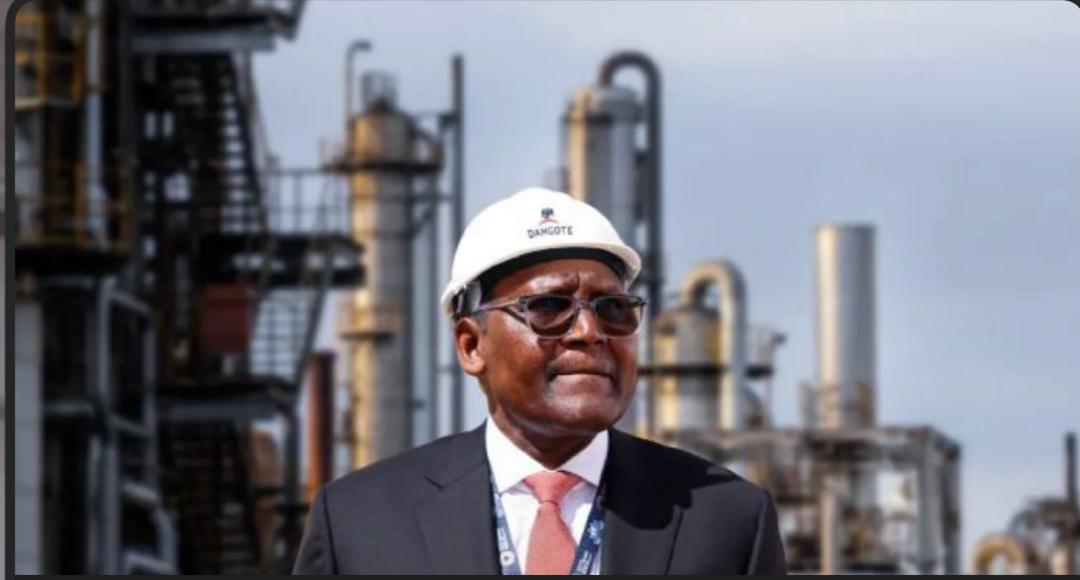
Dangote Refinery Reshapes Nigeria’s Fuel Supply Chain, Targets $50bn IPO Valuation Nigeria’s downstream petroleum sector is undergoing a historic transformation as the 650,000-barrels-per day Dangote Refinery continues to redefine the country’s fuel supply chain, significantly reducing reliance on imported petroleum products. The refinery, owned by Africa’s richest industrialist Aliko Dangote, is now positioning itself for a major public offering, targeting a valuation of about $50 billion ahead of a proposed Initial Public Offering IPO. Located in the Lekki Free Trade Zone of Lagos, the Dangote Petroleum Refinery has emerged as Africa’s largest single-train refinery, designed to process 650,000 barrels of crude oil per day. Industry analysts say the facility has already begun reshaping Nigeria’s fuel distribution system by
- Cutting dependence on imported petrol, diesel, and aviation fuel
- Reducing pressure on foreign exchange reserves
- Improving local fuel availability
- Stabilising domestic energy pricing dynamics
For decades, Nigeria despite being Africa’s largest crude oil producer relied heavily on fuel imports due to underperforming state-owned refineries. The operationalisation of the Dangote refinery is therefore viewed as a turning point capable of delivering long-term energy security. According to reports, the company is exploring plans to list part of the refinery on the Nigerian stock market through an IPO expected to value the project at roughly $50 billion.
Market watchers say the listing would
- Open investment opportunities for institutional and retail investors
- Deepen Nigeria’s capital market
- Strengthen transparency and corporate governance
- Provide funding for expansion and debt optimisation
The move aligns with Dangote Group’s broader strategy of gradually listing major subsidiaries to attract global investment participation.
Energy economists believe the refinery’s impact extends beyond fuel supply.
Key anticipated benefits include
- Massive job creation across logistics and petrochemicals sectors
- Increased industrial activity
- Lower transportation and manufacturing costs
- Enhanced export earnings from refined petroleum products
Nigeria previously spent billions of dollars annually importing refined fuel, placing significant strain on government finances and foreign exchange availability. Experts note that the refinery could transform West Africa into a net exporter of refined petroleum products, supplying neighbouring countries that also depend on imports. The facility is expected to export surplus diesel, aviation fuel, and petrochemicals to African and international markets, strengthening Nigeria’s position within global energy trade. Stakeholders in the oil and gas sector say sustained crude supply, efficient distribution networks, and regulatory stability will determine how quickly the refinery achieves full operational capacity. If successfully scaled, analysts argue the project could permanently end Nigeria’s long standing paradox of being a major oil producer yet a heavy fuel importer