More Than Four Years After The Crash Of A China Eastern Airlines Passenger Jet
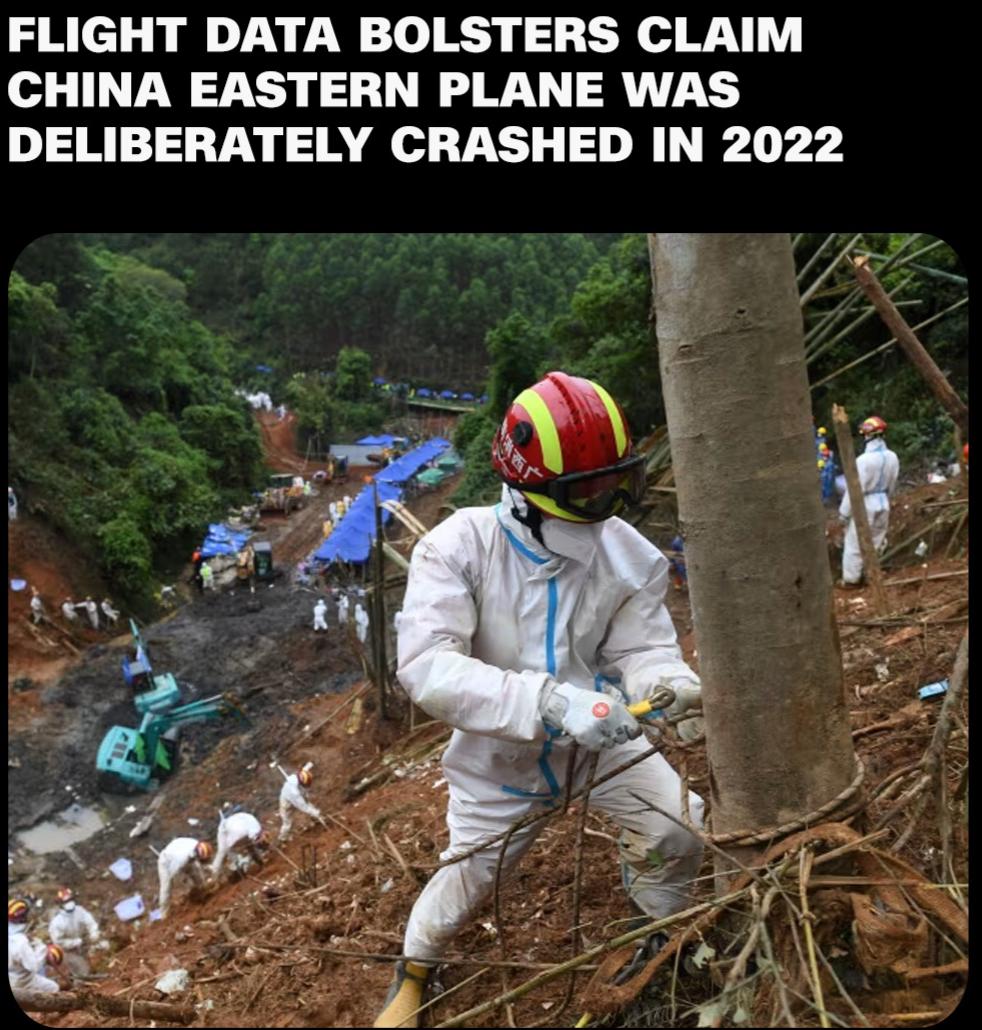
More than four years after the crash of a China Eastern Airlines passenger jet that killed all 132 people on board, newly released data suggests someone in the cockpit may have intentionally cut off the aircraft’s fuel supply. The aircraft, a Boeing 737-800 operating as China Eastern Airlines Flight MU5735, plunged nearly 29,000 feet before crashing into mountainous terrain in southern China in March 2022, marking one of the country’s deadliest aviation disasters in decades. According to fresh analysis of flight data obtained by investigators, evidence now indicates that the fuel supply to the engines may have been manually switched off from inside the cockpit shortly before the aircraft entered its fatal descent. Aviation experts reviewing the data say the action would have required deliberate input, raising the possibility that human intervention rather than mechanical failure played a central role in the crash.
Investigators are examining cockpit controls, pilot actions and system responses recorded in the aircraft’s flight data recorder to determine exactly how and why the fuel flow was interrupted. The flight was travelling from Kunming to Guangzhou when it suddenly dropped from cruising altitude, descending almost vertically before impact. All passengers and crew aboard the aircraft were killed.
Initial investigations found no immediate evidence of structural failure, severe weather, or mid-air collision, leaving the cause of the accident unclear for several years. Chinese aviation authorities have not released a final accident report, and officials caution that the investigation remains open. Analysts stress that conclusions about intent cannot yet be confirmed without definitive findings from regulators. Experts note that modern commercial aircraft systems include multiple safeguards, meaning investigators must rule out technical malfunction, system misinterpretation, or accidental activation before confirming deliberate action. If confirmed, the findings could have significant implications for global aviation safety, pilot screening procedures and cockpit monitoring protocols.
The tragedy prompted renewed scrutiny of cockpit security worldwide, echoing earlier aviation incidents where pilot actions were suspected to have contributed to crashes.