Johnson & Johnson Baby Powder Lawsuit Expands To Over 7,000 Claimants
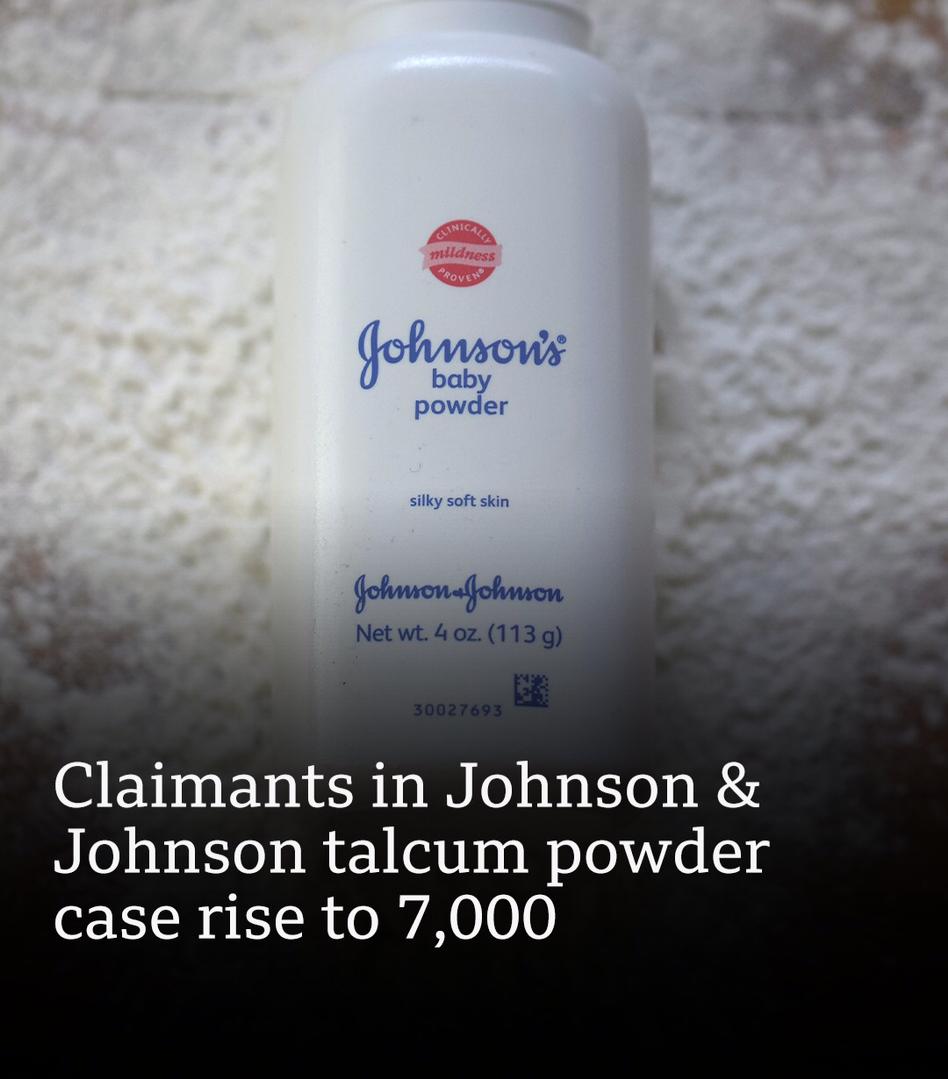
Johnson & Johnson Baby Powder Lawsuit Expands To Over 7,000 Claimants A major legal battle involving pharmaceutical giant Johnson & Johnson has intensified after thousands of individuals joined a lawsuit alleging that the company knowingly sold baby powder contaminated with cancer-causing asbestos. The case now includes 7,111 claimants, making it one of the largest consumer product liability actions linked to cosmetic safety concerns in recent years The claimants argue that long-term use of the company’s talc based baby powder exposed users to asbestos, a hazardous mineral known to cause cancers such as mesothelioma and ovarian cancer. Lawyers representing the group say internal company documents suggest concerns about contamination were known for decades. They claim consumers were not adequately warned about potential health risks associated with the product. Many of the individuals involved in the case allege serious illness following prolonged use of the powder for personal hygiene.Johnson & Johnson has strongly rejected the allegations. In statements responding to the lawsuit, the company maintained that its baby powder products are safe and that extensive scientific testing has consistently shown the talc to be asbestos-free. The firm also denies any suggestion that it knowingly sold contaminated products, describing the claims as scientifically unsupported. The litigation forms part of a wider series of legal challenges faced by the healthcare company across multiple countries over talc-based products. Courts in the United States and elsewhere have previously handled thousands of similar cases, with mixed outcomes ranging from dismissals to large compensation awards later challenged on appeal. Legal analysts say the expanding number of claimants could increase financial and reputational pressure on the company while also shaping future regulation of cosmetic ingredients. The controversy has renewed debate among health experts about product safety standards, corporate transparency, and consumer protection. Advocacy groups argue the case highlights the need for stricter oversight of personal care products, while industry representatives caution against drawing conclusions before courts evaluate the scientific evidence.
The case is expected to proceed through lengthy legal hearings as courts assess medical evidence, corporate records, and expert testimony. Observers say the outcome could have significant implications for product liability law and the regulation of talc-based consumer goods worldwide. Further hearings and rulings are anticipated in the coming months as the legal process unfolds.