UK High Court Hears Pollution Case Against Chicken Producer And Water Firm
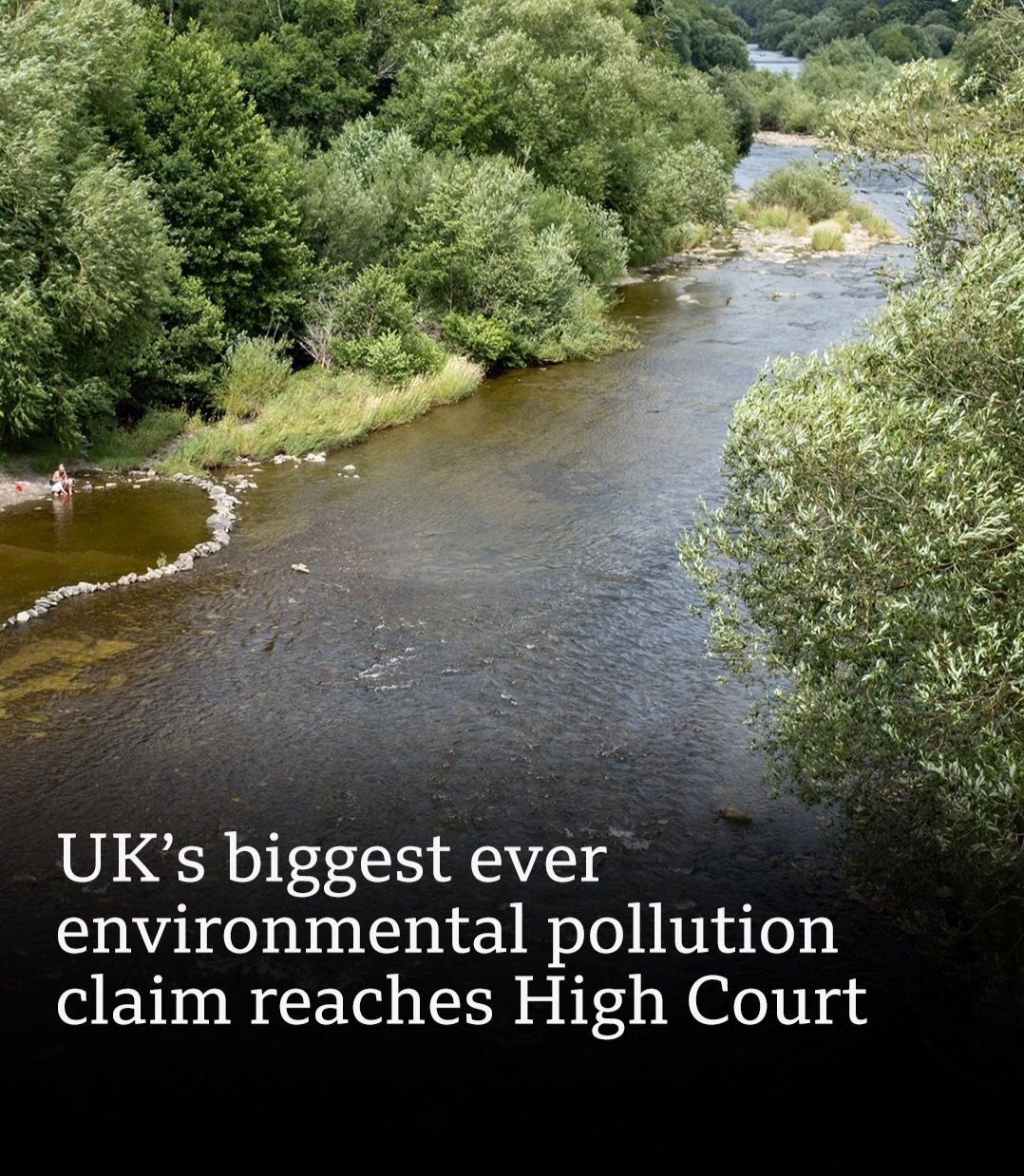
UK High Court hears pollution case against chicken producer and water firm over River Wye, Lugg and Usk contamination claims
One of the United Kingdom’s largest chicken producers and a major water company are appearing in the High Court today, accused of causing widespread pollution in the Rivers Wye, Lugg, and Usk in what has been described as one of the country’s largest environmental legal actions. The case centres on allegations that intensive poultry farming and wastewater management practices have contributed to severe ecological damage across the three river systems, which run through parts of Wales and western England. The claim is being brought by thousands of residents, businesses, and landowners who argue that pollution from agricultural runoff and sewage discharges has degraded water quality, harmed wildlife, and affected livelihoods linked to the rivers. The defendants include a major UK chicken producer and a water utility company, both of which are accused of contributing to elevated nutrient levels particularly phosphorus and nitrogen that have triggered algal blooms and oxygen depletion in affected waterways.
The High Court hearing follows a multi-party claim involving nearly 4,000 to 4,500 claimants, making it one of the largest environmental group actions in UK legal history. The claimants are seeking substantial damages and a court order requiring cleanup and long term restoration of the river systems, which are designated as ecologically sensitive habitats supporting species such as salmon, otters, and freshwater invertebrates. The case alleges that intensive poultry operations in the river catchment, combined with wastewater discharges, have created a “manure and nutrient overload” that has overwhelmed the rivers’ natural ecosystems. Campaigners argue that runoff from industrial-scale chicken farming and sewage treatment systems has been a major driver of ecological decline, contributing to frequent algal blooms and declining biodiversity. The Rivers Wye, Lugg, and Usk are all classified as important conservation waterways, with protected ecological status and international significance for wildlife habitats. The defendants are expected to deny liability, arguing that pollution in the rivers is caused by multiple sources, including historical agricultural practices and environmental factors beyond their direct control. Previous statements from companies involved in similar claims have insisted they comply with environmental regulations and have invested in mitigation measures to reduce nutrient runoff. The River Wye catchment, in particular, has faced years of scrutiny over declining water quality, with environmental groups warning that high levels of agricultural intensification have placed extreme pressure on its ecosystem. The outcome of the case could set a major precedent for how liability is assigned in large-scale environmental pollution disputes involving both private companies and public utilities.
The High Court hearing is expected to continue over several sessions, with legal experts saying the case could become a landmark ruling in UK environmental law and industrial farming regulation.