Electoral Act 2026 Sparks Controversy As Consensus Candidacy Raises Democracy Concerns
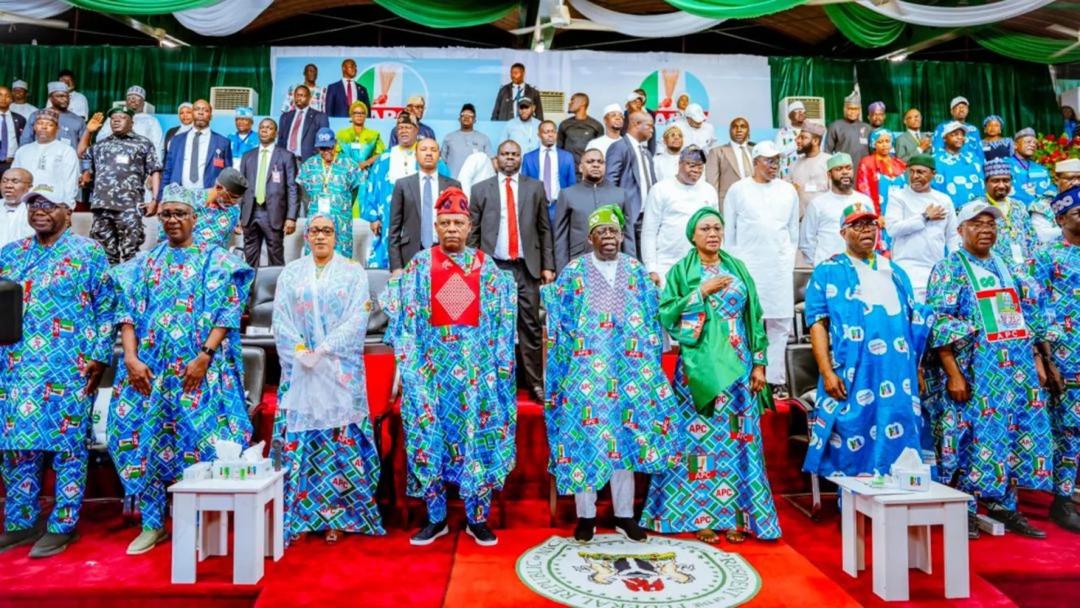
Electoral Act 2026 Sparks Controversy As Consensus Candidacy Raises Democracy Concerns Nigeria’s newly introduced Electoral Act 2026 is generating nationwide debate following concerns that its nomination framework may weaken internal democracy within political parties and fuel instability ahead of future elections The legislation limits political party nominations strictly to direct primaries, indirect primaries, and consensus arrangements, effectively eliminating the traditional delegate system that previously allowed party representatives to vote during primaries. Under the revised law, political parties must now either conduct primaries involving registered members directly or adopt consensus candidacy a process where party leaders agree on a single aspirant without competitive voting. Analysts say the removal of delegates was designed to curb vote-buying, manipulation, and monetisation of party primaries. However, critics argue the reform may unintentionally centralise power in party leadership structures. Political observers warn that consensus candidacy, while legally recognised, has become a source of tension due to disagreements over how candidates are selected and whether aspirants genuinely consent to the arrangement The law requires that all aspirants must voluntarily agree before consensus candidates can emerge. Yet, disputes have surfaced across several political parties, with aggrieved aspirants alleging coercion, exclusion, and lack of transparency. Party insiders say negotiations behind consensus arrangements often occur within powerful caucuses rather than through broad consultation with party members, raising fears of elite domination. According to stakeholders, the ambiguity surrounding consensus procedures has triggered factional crises, lawsuits, and leadership conflicts nationwide. Democracy advocates argue that eliminating delegates may weaken grassroots participation a cornerstone of Nigeria’s multiparty system.They contend that delegates previously served as intermediaries between party leadership and ordinary members, ensuring wider representation during candidate selection. Civil society groups warn that excessive reliance on consensus candidacy risks turning parties into closed political clubs controlled by influential figures rather than democratic institutions. While some political actors support the reform as a necessary step to reduce corruption in primaries, others insist it may deepen internal instability. Opposition parties and reform advocates have called for clearer guidelines to prevent abuse of consensus arrangements and guarantee fairness among aspirants. Legal experts also note that unresolved disputes arising from consensus nominations could increase pre-election litigation and disrupt electoral timeline With the next electoral cycle approaching, analysts believe the success or failure of the Electoral Act 2026 will largely depend on how transparently political parties implement nomination processes. Observers warn that unless mechanisms are strengthened to protect inclusiveness and accountability, the reforms could reshape Nigeria’s political landscape by concentrating decision-making power among party elites.
The debate continues as stakeholders urge electoral authorities and lawmakers to refine the law to balance anti-corruption goals with democratic participation.