El Salvador Begins Mass Trial Of 486 Alleged MS-13 Gang Members Over 47,000 Crimes
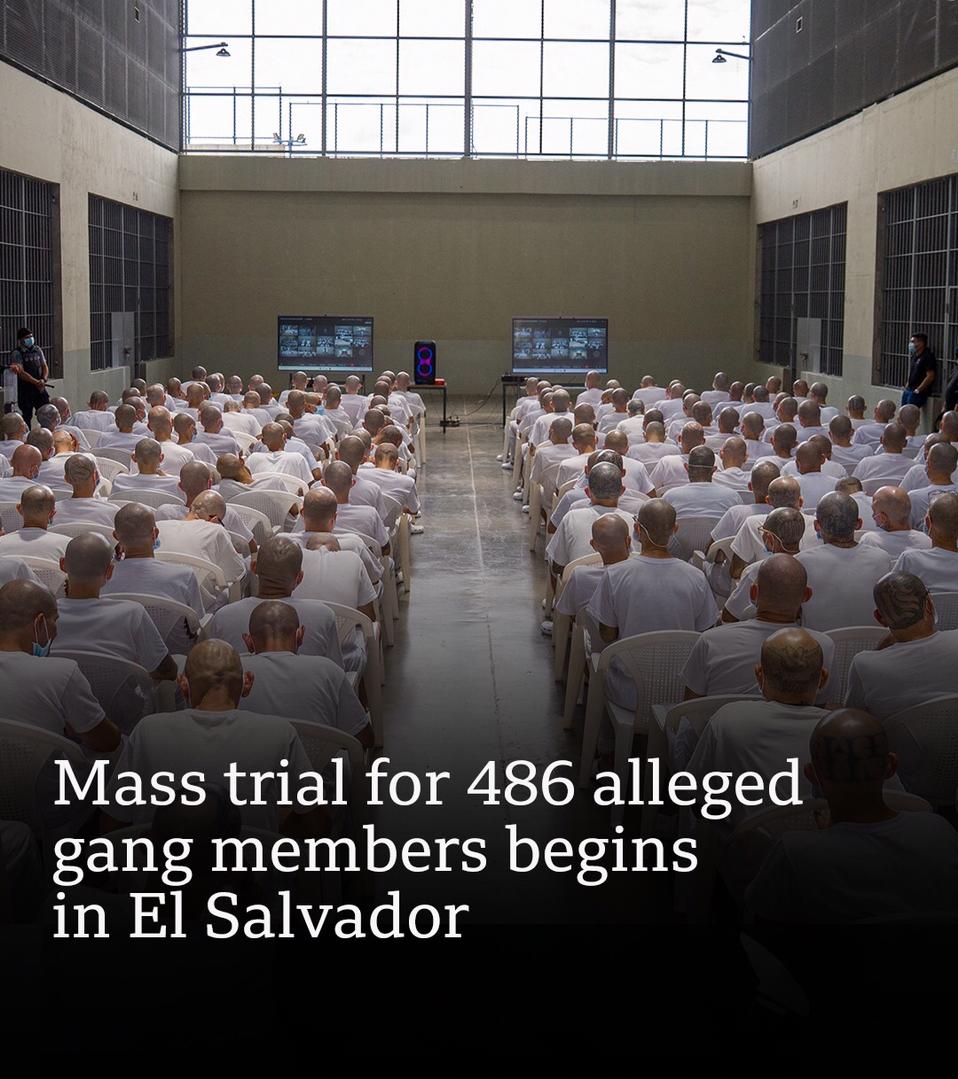
El Salvador begins mass trial of 486 alleged MS-13 gang members over 47,000 crimes A mass trial involving 486 suspected members of the MS-13 gang has commenced in El Salvador, with prosecutors linking the defendants to tens of thousands of violent crimes committed over a decade, according to the country’s Attorney General’s Office. El Salvador has launched one of its largest criminal proceedings to date, placing 486 alleged members of the Mara Salvatrucha (MS-13) gang on trial in a sweeping case tied to widespread violence across the country. Prosecutors say the defendants are collectively responsible for more than 47,000 crimes committed between 2012 and 2022, including approximately 29,000 homicides, as well as extortion, arms trafficking, femicide, and disappearances. The Attorney General’s Office stated that those on trial include high-ranking gang leaders, regional commanders, and coordinators accused of directing operations nationwide. The trial is part of the government’s ongoing crackdown on gang activity under President Nayib Bukele’s state of emergency measures introduced in 2022. Court proceedings are being conducted under tight security arrangements, with many defendants appearing remotely from prison facilities, including the high-security Terrorism Confinement Center (CECOT).
- Homicide and mass killings
- Extortion and organised crime operations
- Arms trafficking and illegal weapons possession
- Enforced disappearances
- Alleged coordinated gang governance structure
The trial is part of El Salvador’s broader anti-gang campaign, which has led to mass arrests and emergency security measures. Authorities argue the strategy has drastically reduced gang-related violence, while critics raise concerns about due process and the scale of detentions. Human rights organisations have warned that the mass trial approach could undermine fair trial guarantees, citing:
- Limited individual defence opportunities
- Collective prosecution of hundreds of defendants
- Long-term detention under emergency powers
- Risk of wrongful convictions due to mass charging systems
The case is expected to last several months and could result in lengthy prison sentences for convicted defendants. It also continues to fuel international debate over the balance between security gains and civil liberties in El Salvador’s anti-gang strategy.