Nigeria Spends N2.2bn Annually On Vaccines As N70.6bn Released To Strengthen Primary Healthcare System
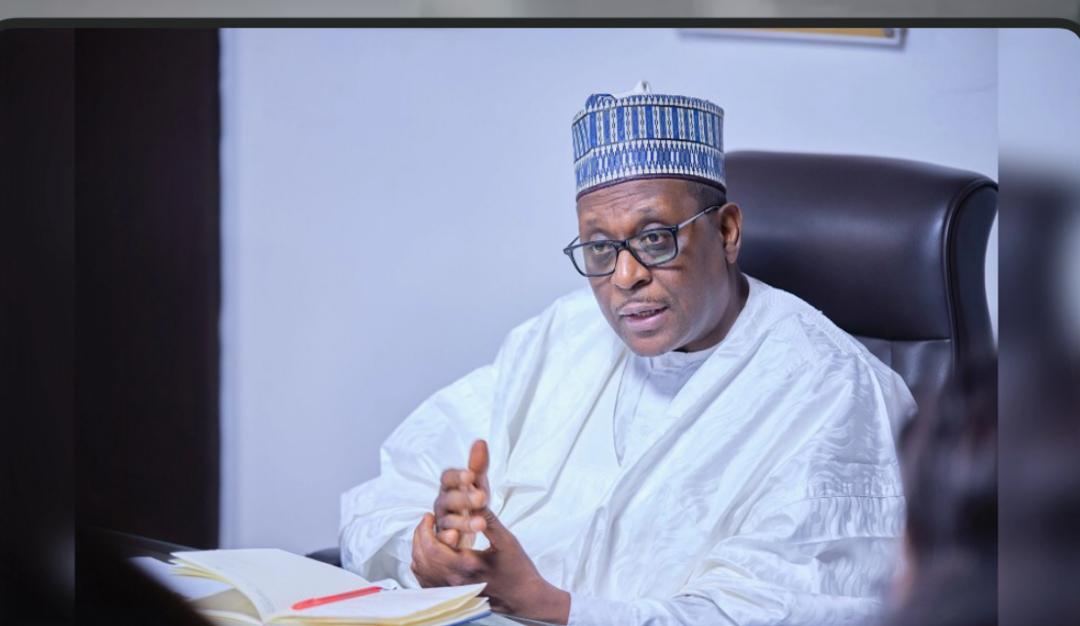
Nigeria spends N2.2bn annually on vaccines as N70.6bn released to strengthen primary healthcare system Nigeria invests about N2.2 billion annually on vaccine procurement for routine immunisation, alongside donor support, while also releasing N70.6 billion for primary healthcare strengthening between 2023 and 2025, amid efforts to expand coverage and reduce preventable diseases nationwide. Nigeria’s health authorities say the country spends approximately N2.2 billion every year on vaccines for routine immunisation, complemented by significant support from international development partners such as Gavi. The Executive Director of the National Primary Health Care Development Agency (NPHCDA), Dr. Muyi Aina, disclosed this while highlighting ongoing efforts to sustain immunisation coverage and strengthen the country’s primary healthcare system. He explained that vaccine financing is a shared responsibility involving federal government allocations and donor contributions, aimed at ensuring steady supply and preventing stockouts of essential vaccines across the country.
In addition to vaccine spending, a total of N70.6 billion has been released to support primary healthcare interventions between 2023 and 2025, reflecting increased investment in health infrastructure, service delivery, and immunisation programmes.
- N2.2bn annually spent on routine immunisation vaccines
- Additional donor support from global partners such as Gavi
- N70.6bn released (2023–2025) for primary healthcare strengthening
- Funding used for vaccine procurement, logistics, and service delivery expansion
The NPHCDA says investments are part of broader reforms to improve Nigeria’s primary healthcare system, including:
- Expansion of immunisation coverage nationwide
- Strengthening of healthcare facilities under the Basic Health Care Provision Fund
- Improved vaccine logistics and cold-chain systems
- Increased outreach to underserved and rural communities
Officials say these interventions are designed to reduce “zero-dose” children those who have never received any routine vaccine and improve maternal and child health outcomes.
Despite increased funding, Nigeria’s immunisation programme still faces:
- Funding gaps in vaccine procurement and distribution
- Hard-to-reach communities with low coverage
- Dependence on external donor financing
- Logistics and infrastructure limitations in rural areas
Health authorities say sustained government funding, alongside donor partnerships, will remain critical as Nigeria works toward improving immunisation coverage and achieving long-term public health targets. Experts also warn that reducing reliance on external funding will be necessary for long-term sustainability of the vaccine programme.