CHINA’S ENERGY TRANSFORMATION XI JINPING PUSHES FOR ENERGY SECURITY
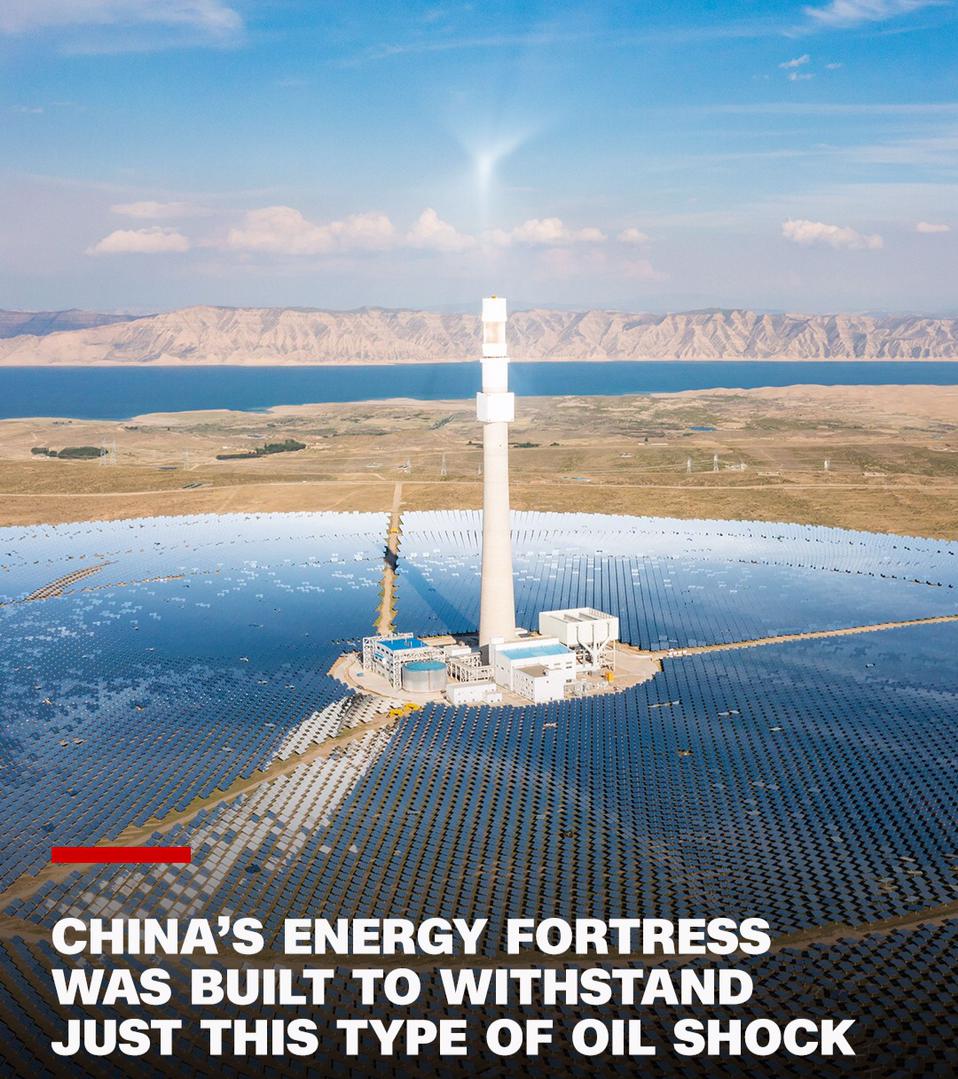
CHINA’S ENERGY TRANSFORMATION XI JINPING PUSHES FOR ENERGY SECURITY For more than a decade, Chinese President Xi Jinping has overseen a sweeping transformation of China’s economy focused on one central objective achieving long-term energy security.
According to a CNN analysis, Beijing’s strategy aims to shield the world’s second-largest economy from global shocks such as oil price volatility, geopolitical tensions, and supply disruptions that have repeatedly rattled international energy markets. Under Xi’s leadership, China has launched one of the most ambitious energy transitions in modern history. The country has rapidly expanded renewable power generation, investing heavily in wind, solar, hydropower, and nuclear energy while continuing to strengthen traditional fuel supplies.
The policy combines multiple approaches:
- Massive expansion of renewable energy infrastructure
- Increased domestic oil and gas exploration
- Diversification of foreign energy suppliers
- Construction of strategic fuel stockpiles
- Electrification of transport and industry
The goal is simple: reduce dependence on imported fuels and protect economic growth from external disruptions.
China remains the world’s largest energy importer, but officials have sought to reduce vulnerability by ensuring alternative energy sources and backup reserves remain available during crises. Beijing’s push has triggered a renewable energy boom across the country. Large solar installations in desert regions, expanded wind farms, and hydropower projects have helped diversify China’s energy mix.
At the same time, authorities continue to rely on domestic coal and expanded infrastructure as a fallback option, ensuring stable power supply even during global shortages. Energy security is also tied to China’s broader national security doctrine, which treats economic stability and energy independence as essential components of long-term geopolitical resilience.Recent geopolitical tensions and oil market disruptions are now testing the effectiveness of China’s strategy. While many Asian economies scramble for fuel supplies during price spikes, analysts say China’s large reserves, diversified imports, and growing electric vehicle fleet have helped cushion the impact. China’s leadership views energy independence not only as an economic necessity but as protection against political pressure from abroad. Energy demand remains critical for sustaining China’s vast manufacturing sector and urban economy. By securing supplies and accelerating clean energy adoption, Beijing hopes to
- Stabilize industrial production
- Reduce exposure to foreign sanctions or conflicts
- Support long-term economic growth
- Advance climate commitments, including carbon neutrality goals
Experts say the current global energy turbulence represents the biggest test yet of Xi’s long-running strategy and early signs suggest the system is holding up under pressure. China’s energy overhaul highlights a broader global trend: major powers increasingly view energy independence as a strategic asset rather than simply an economic policy. As geopolitical competition intensifies and energy markets remain volatile, Beijing’s model may influence how other countries rethink national energy planning in the years ahead.