Agbada In Paris Nigerians Praise Tunde Onakoya For Playing Chess At Louvre
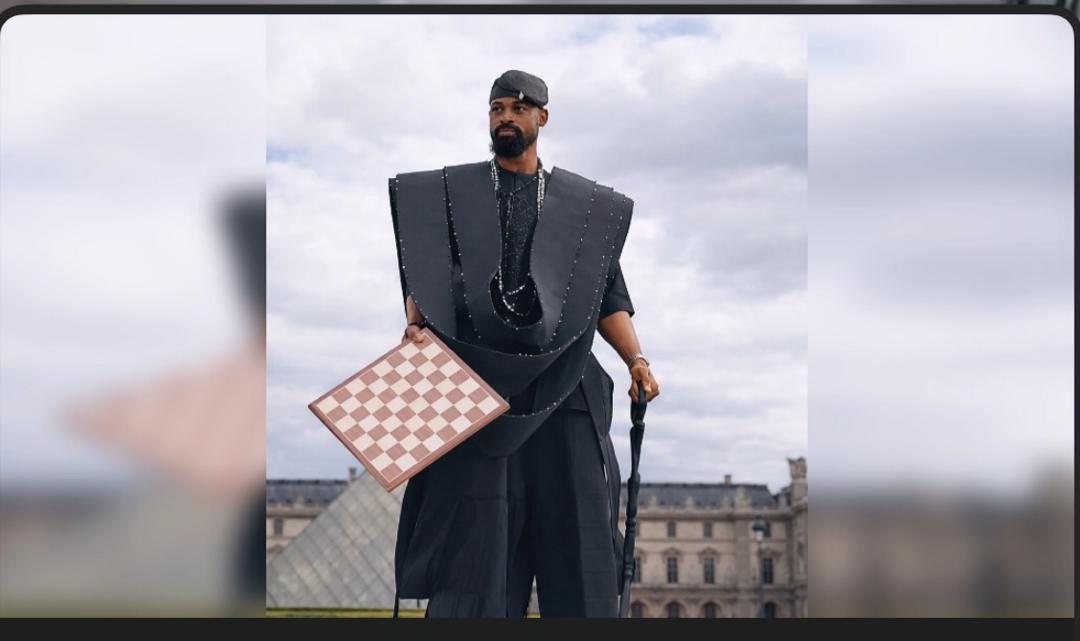
Agbada in Paris Nigerians praise Tunde Onakoya for playing chess at Louvre Nigerians have taken to social media to celebrate chess master Tunde Onakoya after he shared a video of himself playing chess at the iconic Louvre Museum, dressed in traditional attire.
The founder of Chess in Slums Africa posted the clip on Sunday, describing the moment as a personal milestone and a symbolic representation of cultural pride on a global stage. In the now-viral video, Onakoya is seen wearing a flowing agbada while playing casual chess games near the Louvre Pyramid, one of Paris’ most recognisable landmarks. The post sparked widespread reactions from Nigerians, many of whom praised his confidence, cultural representation, and global visibility.
- One user described him as “writing your name… in the history book of the world.”
- Another said he was “putting our flag in the midst of greatness.”
- Others called him “a big motivation” and commended his efforts to represent Nigeria internationally. However, not all responses were uncritical. A few social media users questioned his claim of being the first Nigerian to play chess at the Louvre, while others debated the significance of the moment, noting it was a casual game rather than a formal competition. The Paris appearance adds to Onakoya’s growing international recognition. Earlier in April, he was honoured in Barcelona as the first African recipient of the Lideramos Youth Award for Social Impact.
Born in Ikorodu, Lagos, Onakoya rose from humble beginnings to become a national chess master and global advocate for education through chess. Through Chess in Slums Africa, he has helped children from underserved communities access education, mentorship, and scholarships using chess as a tool for empowerment. Onakoya’s journey has been marked by milestones, including setting a Guinness World Record for the longest chess marathon in 2024 and again in 2025. His appearance at the Louvre blending intellect, culture, and symbolism has been widely interpreted as another statement of African excellence on the global stage. While reactions remain mixed in parts, the overwhelming sentiment reflects admiration for a figure who continues to merge advocacy, culture, and achievement. For many Nigerians, the image of a man in agbada playing chess in one of the world’s most prestigious museums represents more than a personal milestone it signals visibility, identity, and the growing influence of African voices in global spaces.