Suspicious Trading Spikes Before US President’s Public Statements
suspicious trading spikes before US president’s public statements
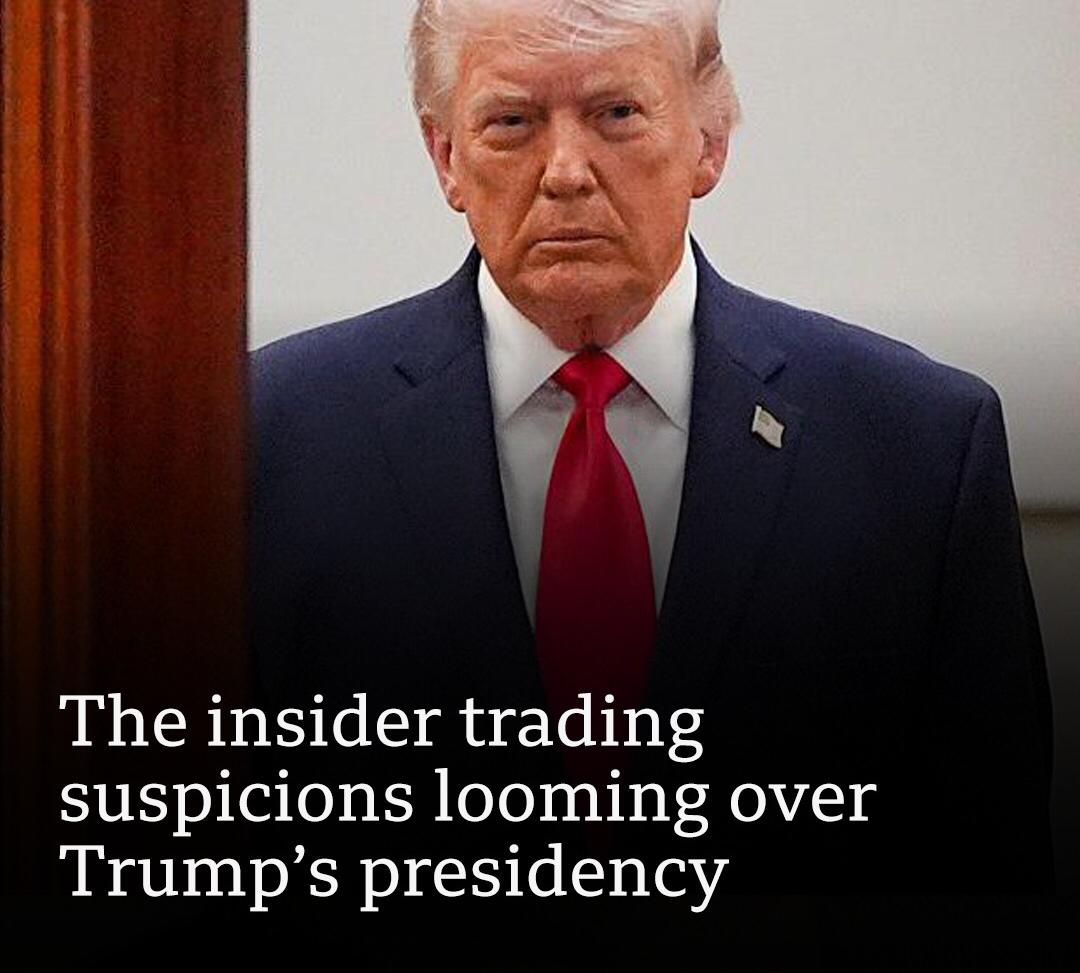
Analysis reveals financial market trades surged minutes or hours before social media posts and interviews were released, raising transparency and insider-information concerns investigation has uncovered a pattern of unusual trading activity in global financial markets occurring shortly before public statements, social media posts, or interviews by the US president were made public, prompting fresh scrutiny over market transparency and potential insider advantages. According to the investigation, analysts identified repeated spikes in trading volumes and price movements affecting stocks, currencies, and other financial assets just hours and in some cases minutes before presidential communications reached the public. The reviewed trading data across multiple financial markets and compared it with the timing of official announcements, televised interviews, and posts published on social media platforms. The findings suggested that some traders appeared to act ahead of information that later moved markets significantly. Market-sensitive comments from the president frequently influence investor sentiment, particularly when they involve economic policy, tariffs, sanctions, corporate regulation, or geopolitical developments. The investigation found that price movements sometimes began before such remarks were officially released. Financial experts interviewed by the BBC said the pattern does not automatically prove wrongdoing but raises questions about how sensitive information circulates prior to public disclosure. Some analysts noted that large institutional investors constantly monitor political signals and may anticipate policy shifts. However, the proximity between trading surges and announcement timings has intensified debate over whether certain market participants may gain early access to information. Regulatory specialists warned that if advance knowledge were confirmed, it could amount to market manipulation or insider trading violations that undermine investor confidence and market fairness. The report also highlighted how algorithmic trading systems rapidly react to political messaging, amplifying market movements once information becomes public. Officials contacted by the BBC declined to confirm whether any formal investigation had been opened but emphasized that financial regulators routinely monitor trading irregularities linked to market moving events. Financial markets often respond sharply to presidential statements, particularly those involving trade policy, economic forecasts, or international relations. Social media has amplified this effect in recent years, allowing political leaders to influence markets instantly through online posts.
The BBC investigation adds to longstanding concerns among regulators and economists about information asymmetry situations where some traders may act on knowledge unavailable to the broader public Financial analysts told the BBC that while markets often anticipate political developments, the timing patterns identified “deserve serious regulatory attention.” The findings could increase pressure on financial regulators to strengthen disclosure safeguards, monitor political communications more closely, and ensure equal access to market-moving information.