Countdown To Primaries Unsettles Parties, Triggers Defections, Internal Disputes Ahead Of 2027 Elections
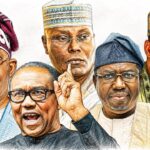
Countdown to Primaries Unsettles Parties, Triggers Defections, Internal Disputes Ahead of 2027 Elections With party primaries drawing closer ahead of Nigeria’s 2027 general elections, political alliances across major parties are collapsing, while defections, leadership tussles, and internal crises threaten opposition cohesion and overall party stability nationwide. The approaching primary elections have intensified political uncertainty within Nigeria’s major political parties, as competing ambitions and strategic realignments reshape the country’s political landscape. One of the most significant developments revolves around Bauchi State Governor Bala Mohammed, whose possible defection has triggered anxiety within both ruling and opposition camps. The governor’s political calculations have heightened tensions within the opposition, particularly the Peoples Democratic Party (PDP), where disagreements over leadership direction, zoning arrangements, and coalition strategies continue to deepen divisions.
Political observers note that rival parties are aggressively courting influential figures as preparations intensify for candidate selection processes expected to shape the 2027 contest. Emerging alliances formed after the 2023 elections are beginning to fracture as politicians reassess their electoral prospects. Within opposition ranks, coordination challenges and leadership rivalries have weakened attempts to present a unified front against the ruling All Progressives Congress (APC). Negotiations involving defections and coalition talks have exposed ideological differences, personal ambitions, and disagreements over power-sharing arrangements, complicating efforts to build a strong opposition bloc. Analysts warn that repeated defections may erode party structures at state and national levels, leaving voters uncertain about political alignments ahead of the elections.Speculation surrounding Governor Mohammed’s political future reflects a wider trend of strategic repositioning among influential politicians seeking favourable platforms before primaries commence. Reports indicate growing consultations across party lines, with stakeholders weighing electoral viability, regional influence, and internal democracy concerns. Earlier political movements by prominent figures have already reshaped the opposition space, intensifying competition among emerging political platforms and smaller parties attempting to gain relevance before 2027. The opposition continues to grapple with fragmentation, leadership disputes, and disagreements over candidate selection procedures. Party insiders acknowledge that unresolved internal crises could weaken electoral chances, particularly if consensus candidates fail to emerge or aggrieved aspirants defect after primaries. Political analysts argue that without unity, opposition parties risk repeating past electoral setbacks, especially against an incumbent structure preparing early for the next election cycle. As primaries approach, Nigeria’s political environment is increasingly defined by
- Strategic defections
- Coalition negotiations
- Internal party conflicts
- Leadership succession battles
Experts say the months leading to party primaries will likely determine the strength, cohesion, and competitiveness of political parties heading into the 2027 general elections With alliances shifting rapidly and political actors recalculating their ambitions, the countdown to primaries is expected to produce further defections and negotiations that may fundamentally reshape Nigeria’s political map before voters head to the polls in 2027.