Pope Leo XIV Condemns “Tyrants” Fueling War And Exploitation During Cameroon Visit
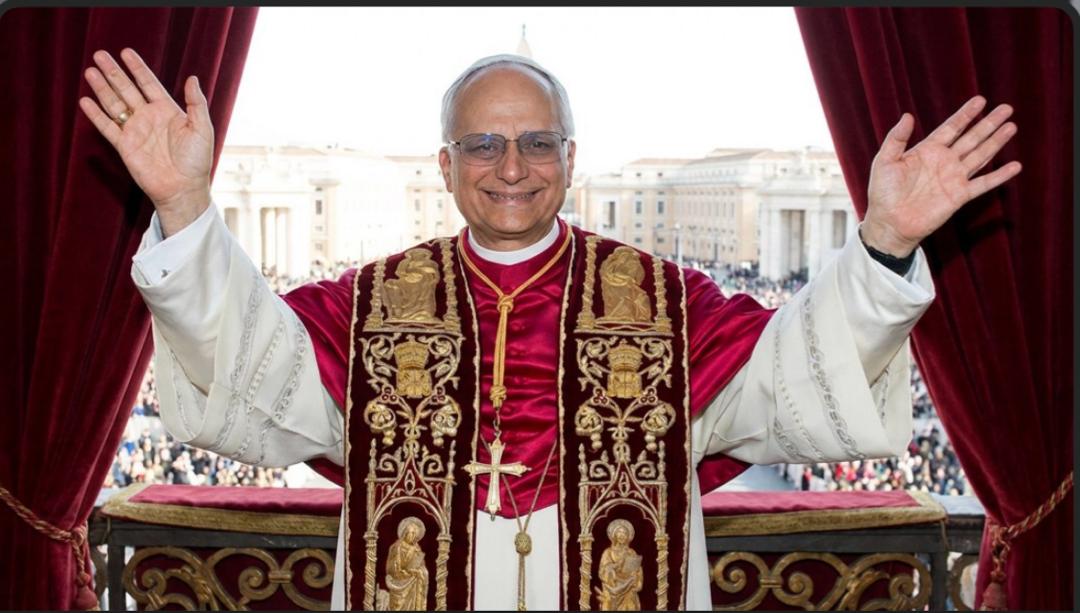
Pope Leo XIV Condemns “Tyrants” Fueling War and Exploitation During Cameroon Visit Pontiff calls for peace in Bamenda amid separatist conflict, urging leaders to abandon violence and embrace reconciliation Pope Leo XIV has strongly condemned what he described as “a handful of tyrants” fueling global wars and exploitation, delivering a powerful peace message during a visit to Bamenda in Cameroon’s conflict-hit northwest region.
The pontiff made the remarks while addressing religious leaders and communities affected by a long-running separatist conflict, urging an end to violence and renewed commitment to reconciliation and humanitarian development. Speaking in Bamenda, a key city in Cameroon’s Anglophone crisis region, the Pope appealed for peace amid a conflict that has lasted nearly a decade and left thousands dead and hundreds of thousands displaced.
The separatist violence in the region stems from longstanding grievances by English-speaking communities, who accuse the central government of marginalisation. The crisis escalated into armed conflict in 2017 and has since remained unresolved, despite intermittent government efforts at dialogue.
During his visit, Pope Leo joined interfaith leaders in peace initiatives aimed at reducing tensions and encouraging dialogue between communities affected by the violence. Without naming specific individuals, the pontiff criticised global leaders he described as “tyrants” who prioritise military spending and economic exploitation over humanitarian needs. He said the world was being “ravaged” by such leadership, while urging a shift toward peacebuilding, investment in education, and support for vulnerable populations. His remarks were widely interpreted as a broader critique of global powers involved in ongoing conflicts, particularly amid heightened international tensions Pope Leo emphasised that religion should not be used to justify violence, warning against the manipulation of faith for political or military gain. He called on leaders in Cameroon and beyond to act as instruments of unity rather than division, stressing the importance of dialogue, forgiveness, and reconstruction in conflict-affected regions. The pontiff also praised local interfaith efforts in Bamenda, describing them as a model for peaceful coexistence despite years of instability. he visit to Bamenda forms part of the Pope’s wider African tour, which includes engagements focused on peace, development, and interreligious dialogue.
His presence in the region was seen as symbolically significant, with local communities expressing hope that international attention could help revive stalled peace efforts. Reports indicate that separatist groups observed a temporary pause in hostilities during the papal visit, offering rare relief to civilians caught in the conflict. The Anglophone conflict has its roots in Cameroon’s colonial history and linguistic divisions between English- and French-speaking regions. Since escalating into armed conflict, it has resulted in widespread displacement, human rights concerns, and repeated failed negotiations. Humanitarian groups continue to call for renewed dialogue, warning that civilians remain the primary victims of the prolonged violence.