Pressure Mounts On Atiku’s 2027 Ambition As Tinubu, Wike Reject Automatic Tickets
Pressure Mounts on Atiku’s 2027 Ambition as Tinubu, Wike Reject Automatic Tickets Fresh political tension is building ahead of Nigeria’s 2027 general elections as leading political figures clash over zoning arrangements, automatic presidential tickets and the future direction of the country’s democracy. Former Vice President Atiku Abubakar is facing increasing resistance to his anticipated presidential bid, with both ruling and opposition actors signalling opposition to automatic candidacies within political parties.
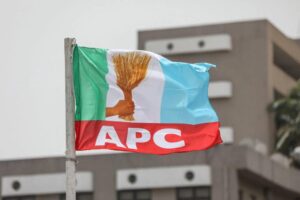
The debate intensified after Federal Capital Territory Minister Nyesom Wike openly criticised the idea of granting automatic tickets to any aspirant, arguing that competitive primaries remain essential to internal democracy Wike warned political stakeholders against imposing candidates ahead of the 2027 elections, stressing that party members must be allowed to determine their flagbearers through transparent contests. According to him, attempts to predetermine candidates risk weakening party unity and could deepen political divisions nationwide. Political observers interpret Wike’s stance as a direct challenge to ongoing discussions within opposition circles, where Atiku is widely believed to be positioning himself for another presidential run Leaders within the ruling All Progressives Congress (APC) have similarly rejected the idea of automatic presidential endorsements, insisting that aspirants must earn nominations through established party structures.
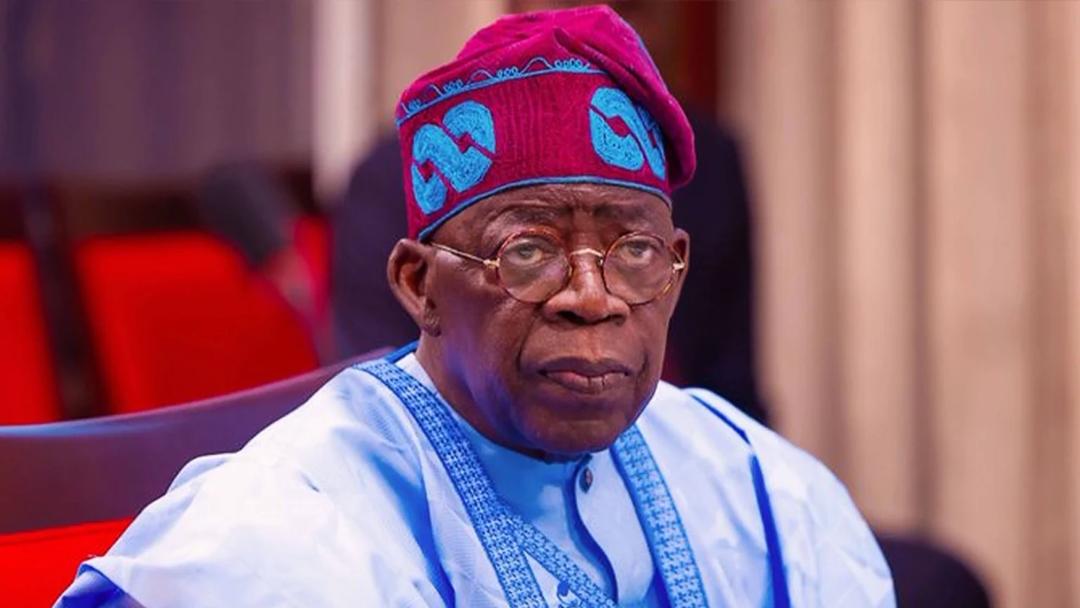
Party insiders say the position reflects growing concerns about internal stability as political realignments begin ahead of the next election cycle. President Bola Ahmed Tinubu has meanwhile reaffirmed his commitment to ongoing economic and governance reforms despite mounting criticism from opposition figures and sections of the public. Speaking through allies and party leaders, Tinubu declared that his administration would “stay the course,” arguing that difficult policy decisions are necessary to stabilise Nigeria’s economy and strengthen national institutions.
The president maintained that reforms currently underway are aimed at long-term growth rather than short-term political gains. The controversy has revived Nigeria’s long-standing zoning debate the informal power-sharing arrangement that rotates the presidency between the North and South. While some political blocs insist power should remain in the South beyond 2027, others argue that northern aspirants, including Atiku, retain constitutional rights to contest regardless of zoning expectations. Analysts warn that disagreements over zoning and candidate selection could shape alliances, defections and coalition talks in the months ahead
Within opposition ranks, discussions continue over whether unity or multiple candidacies would offer the best chance of challenging the incumbent administration. Political commentators note that internal disagreements, rather than ideological differences, may become the biggest obstacle facing opposition parties as preparations for 2027 gradually gather momentum. With nearly two years before the next presidential election, early positioning by major political actors suggests an intense contest is already underway.
Observers believe debates over zoning, reforms and party democracy will dominate Nigeria’s political landscape, setting the tone for what could become one of the country’s most competitive election cycles.