REPORTS EXPOSE ABUSE, CORRUPTION, INEQUALITY IN NIGERIAN PRISONS
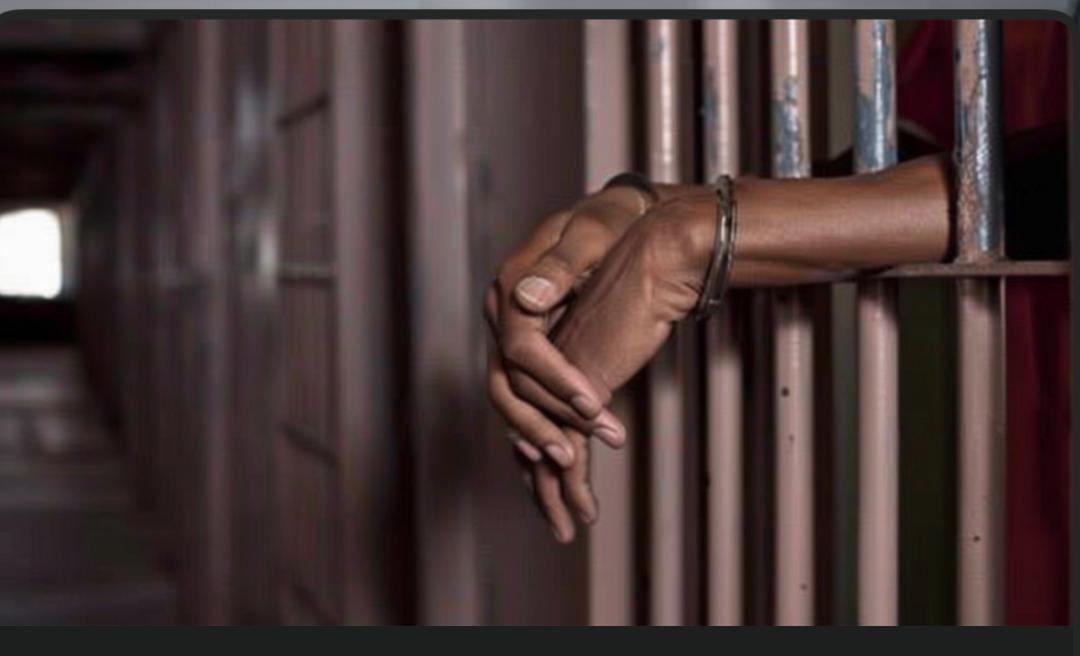
REPORTS EXPOSE ABUSE, CORRUPTION, INEQUALITY IN NIGERIAN PRISONS Fresh reports have uncovered widespread abuse, corruption and deep inequality within Nigeria’s correctional facilities, revealing a prison system increasingly undermined by systemic collapse, poor oversight and entrenched criminal networks operating from behind bars. According to findings, Nigerian prisons officially known as correctional centres are facing severe operational failures that have allowed wealthy inmates to enjoy privileges unavailable to ordinary detainees, raising serious concerns about justice, rehabilitation and national security The investigation revealed that incarceration conditions differ sharply based on an inmate’s financial capacity. Wealthy detainees reportedly operate businesses, access luxury comforts and secure preferential treatment from officials, while poorer inmates endure overcrowding, neglect and inhumane living conditions. Sources within correctional facilities disclosed that influential prisoners allegedly pay for private cells, improved feeding arrangements and unrestricted communication access, effectively transforming prisons into profit-driven environments rather than centres for reform. Observers warn that such inequality erodes public confidence in the justice system and reinforces the perception that punishment in Nigeria is determined by economic status rather than legal accountability. The report highlighted corruption as a central driver of dysfunction across facilities. Bribery reportedly influences virtually every aspect of prison life from cell allocation and medical access to visitation rights and movement within the facilities. Officials and inmates alike described a system where informal payments determine survival conditions, enabling criminal activities to persist within correctional centres. Security experts noted that some inmates allegedly continue coordinating criminal enterprises from custody, exploiting weak monitoring systems and compromised staff oversight. Nigeria’s correctional system was rebranded to emphasize rehabilitation and reintegration, yet analysts say the current realities contradict those objectives.
Instead of reforming offenders, overcrowding, poor welfare conditions and corruption are said to reinforce criminal behaviour and foster networks that strengthen organised crime. Experts argue that when inmates can maintain illegal operations while imprisoned, correctional facilities risk becoming training grounds for criminal expansion rather than institutions of behavioural reform.
Human rights advocates cited alarming conditions including inadequate healthcare, insufficient feeding, sanitation challenges and prolonged pre-trial detention. Many inmates remain in custody for years without trial, worsening congestion and straining already limited resources. Advocacy groups insist that systemic abuse within prisons constitutes a violation of fundamental human rights and demands urgent institutional reforms. Stakeholders are calling on authorities to strengthen monitoring mechanisms, improve staff welfare, deploy modern surveillance systems and enforce transparent accountability measures within correctional centres.
Policy analysts also recommended judicial reforms aimed at reducing pre-trial detention and expanding non-custodial sentencing options to ease overcrowding. Without decisive intervention, experts warn that Nigeria’s correctional system risks further deterioration, potentially fueling insecurity rather than curbing it.
The revelations have reignited debate over prison reform in Nigeria, highlighting how corruption, inequality and administrative failures continue to weaken institutions meant to uphold justice. Analysts stress that meaningful reform will require coordinated action involving the judiciary, correctional authorities, lawmakers and civil society to restore credibility and ensure prisons serve their intended purpose rehabilitation, not criminal reinforcement.