SIM Swap Fraud Exposes Weak Telecom Bank Coordination, Erodes Trust In Nigeria’s Digital Payments Ecosystem
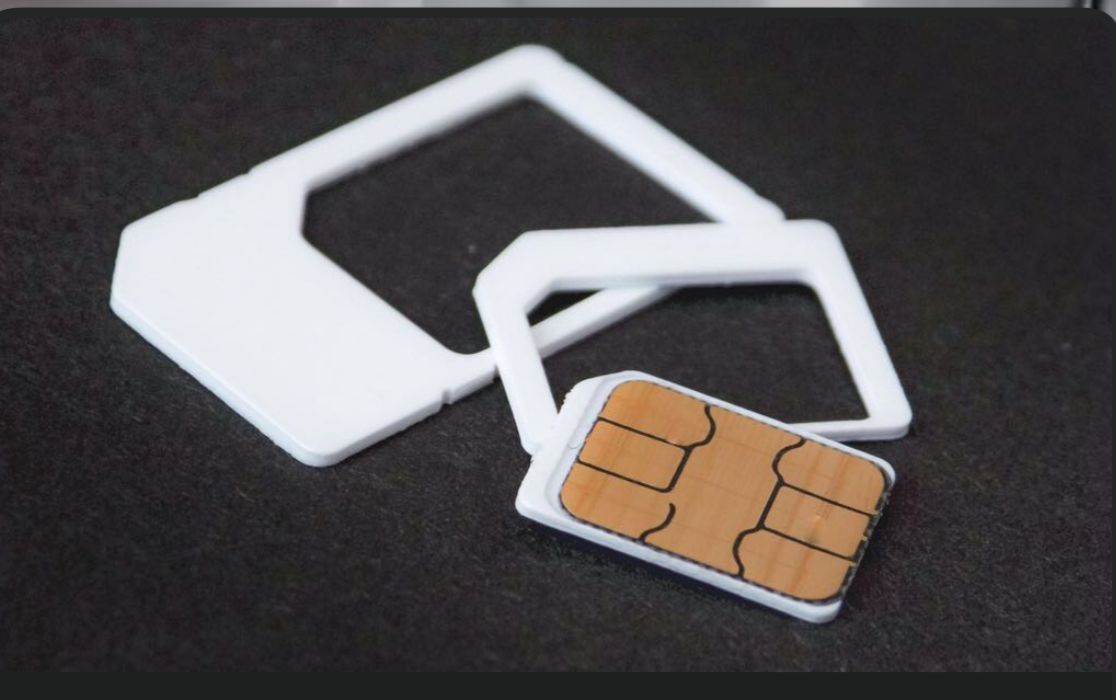
SIM swap fraud exposes weak telecom bank coordination, erodes trust in Nigeria’s digital payments ecosystem SIM swap fraud is increasingly exposing critical gaps in coordination between Nigeria’s telecom operators and financial institutions, enabling criminals to hijack phone numbers, access bank accounts, and drain funds while weakening public trust in digital payments.
According to a report the growing wave of SIM swap scams highlights structural weaknesses in the country’s digital financial ecosystem, where mobile numbers are tightly linked to banking services such as USSD transactions, OTP verification, and mobile apps.SIM swap fraud occurs when criminals trick or bribe telecom operators into transferring a victim’s phone number to a new SIM card. Once successful, the victim immediately loses network access, while the attacker begins receiving all calls, SMS messages, and one-time passwords (OTPs).With control of OTPs, fraudsters can reset banking credentials, access mobile banking apps, and transfer funds within minutes often before the victim realizes what has happened. Cybersecurity experts note that the attack typically relies on social engineering, stolen personal data, or insider compromise within telecom systems. The Guardian report emphasizes that one of the biggest vulnerabilities is the lack of real-time coordination between telecom operators and banks. When a SIM swap occurs, banks are often not immediately alerted, allowing fraudsters to exploit active banking sessions linked to the compromised number.
Industry observers say that because mobile numbers function as financial identifiers in Nigeria, any delay in synchronizing telecom and banking records creates a dangerous security gap. The consequences extend beyond individual victims. SIM swap fraud is contributing to broader distrust in Nigeria’s digital payment infrastructure.
- Hijack bank accounts linked to phone numbers
- Intercept transaction alerts and OTPs
- Exploit weak identity verification processes
- Move funds rapidly through digital wallets and mule accounts
This growing threat is eroding confidence in mobile banking, fintech platforms, and interoperable payment systems, which are central to Nigeria’s cashless economy.Reports on cyber fraud trends show that SIM swap attacks remain a persistent contributor to financial losses across Nigeria’s digital banking ecosystem. Experts and industry stakeholders are calling for stronger collaboration between telecom companies, banks, and regulators such as the Central Bank of Nigeria (CBN) and the Nigerian Communications Commission (NCC).
- Real-time SIM swap notification systems between telcos and banks
- Stronger identity verification before SIM replacement
- Multi-factor authentication beyond SMS-based OTPs
- Improved customer alert systems for SIM reassignments
- Centralized digital identity infrastructure linking telecom and banking data Recent policy discussions also emphasize that without coordinated digital public infrastructure, Nigeria’s financial system remains exposed to cross-sector fraud risks.SIM swap fraud is no longer just a telecom issue—it has become a systemic financial security threat. As attackers exploit gaps between mobile networks and banking systems, experts warn that only deeper institutional coordination and stronger authentication frameworks can restore trust in Nigeria’s rapidly expanding digital economy.