Resignation Calls Mount Against INEC Chairman Amupitan Over Alleged APC Bias
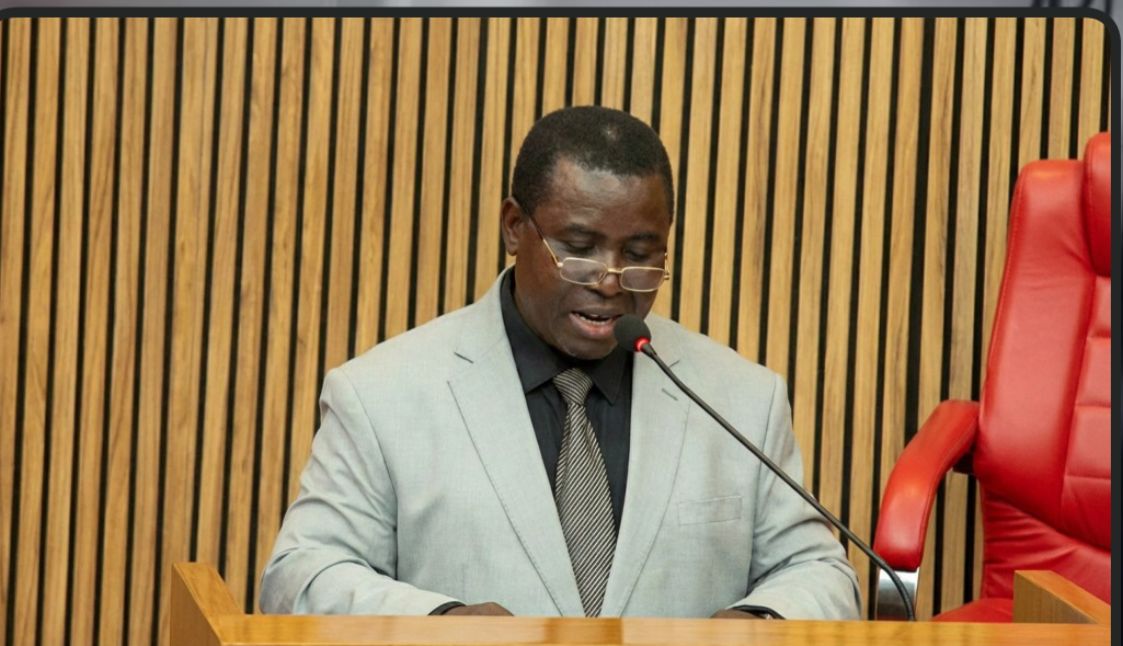
Resignation Calls Mount Against INEC Chairman Amupitan Over Alleged APC Bias Pressure is mounting on the Chairman of the Independent National Electoral Commission (INEC), Joash Amupitan, following growing calls for his resignation amid allegations that the electoral body is tilting toward the ruling All Progressives Congress (APC). Political stakeholders and civil society actors have raised concerns about the neutrality of the commission, warning that public confidence in Nigeria’s electoral system could erode ahead of the 2027 general elections if the controversy persists. Critics accuse INEC under Amupitan’s leadership of adopting decisions and administrative actions perceived to favour the ruling party. The controversy follows disputes surrounding political party recognition, regulatory decisions, and election management policies that opposition voices claim undermine fairness. The accusations come less than a year after Amupitan assumed office as INEC chairman, a position regarded as critical to safeguarding democratic credibility Among those demanding accountability is Andrew Mamedu, who urged the INEC chairman to step aside in order to protect the integrity of the commission. Mamedu argued that stepping down would help restore public trust and prevent perceptions that electoral processes are being manipulated in favour of any political interest. He stressed that electoral umpires must not only be impartial but must also be widely perceived as neutral by citizens and political stakeholders. However, another political voice, Victor Oluwafemi, called for restraint, insisting that any move to remove the INEC chairman must strictly follow constitutional and legal procedures.
Oluwafemi warned against politically motivated pressure campaigns, emphasizing that institutional stability should not be sacrificed for partisan battles. According to him, allegations alone should not determine the fate of an electoral official without verifiable evidence and adherence to due process.
The controversy reflects broader tensions within Nigeria’s political landscape as parties begin strategic positioning ahead of future elections. Analysts say INEC’s decisions are now under intense scrutiny because of the commission’s pivotal role as electoral umpire. Political observers note that repeated accusations of bias whether proven or not risk weakening confidence in electoral outcomes if not decisively addressed. Recent debates about electoral regulations and party administration have intensified public examination of INEC’s independence, with commentators warning that credibility remains the commission’s most valuable asset. Calls for reform, transparency, and clearer communication from the electoral body have therefore grown louder across political and civic spaces. As demands for resignation clash with appeals for procedural fairness, the situation places Amupitan’s leadership under increasing pressure. Observers say how INEC responds to the controversy may significantly influence public perception of Nigeria’s democratic institutions in the run-up to the next electoral cycle.