TCN Moves To Expand National Grid With Alaoji‑Onitsha Transmission Line Upgrade After ₦3.3tn Power Debt Plan Approval
TCN Moves to Expand National Grid With Alaoji‑Onitsha Transmission Line Upgrade After ₦3.3tn Power Debt Plan Approval
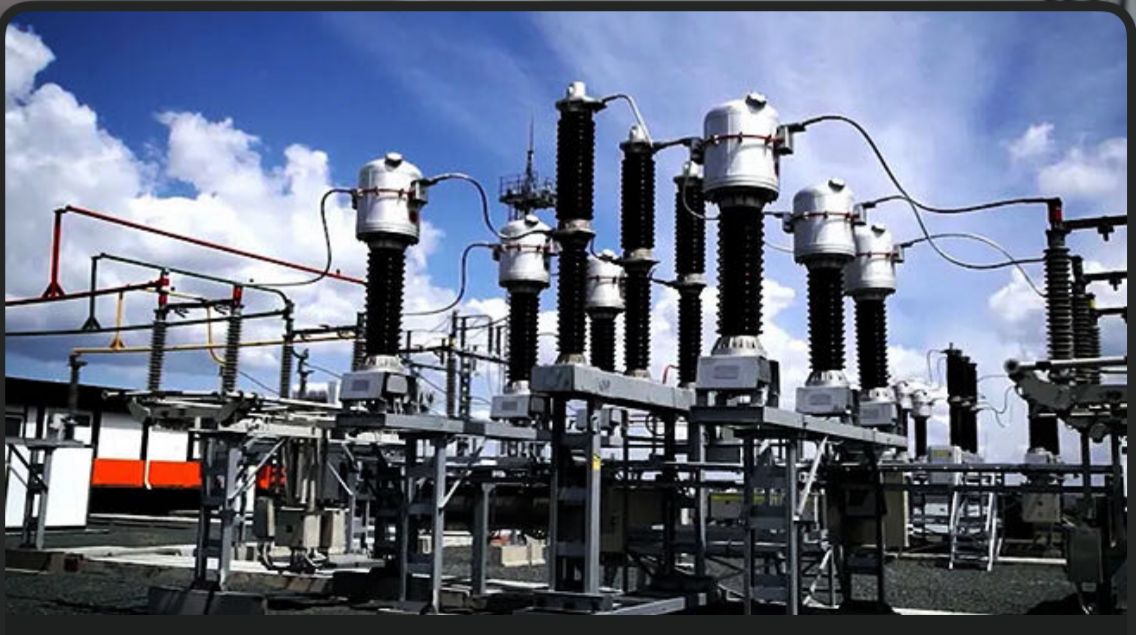
The Transmission Company of Nigeria (TCN) has announced plans to expand the national electricity grid by commencing the reconstruction and upgrade of the 138‑kilometre Alaoji‑Onitsha 330 kV transmission line, following approval of a major payment plan by the Federal Government aimed at stabilising Nigeria’s power sector. The development comes on the heels of President Bola Ahmed Tinubu’s approval of a ₦3.3 trillion payment plan to settle long‑standing debts in the country’s energy industry a move expected to unlock liquidity, improve reliability, and attract investment across the value chain. According to TCN, the upgrade will replace the existing single‑circuit line with a 330 kV double‑circuit quad‑conductor transmission line, significantly increasing transmission capacity and reducing energy losses. The project is planned to be completed within an estimated 18 months and forms part of efforts to improve power supply to major load centres including the Alaoji and Port Harcourt axes, Abia State and the broader South‑East region. In preparation for the works, compensation was paid to Project Affected Persons (PAPs) along the route in parts of Abia and Imo states, with beneficiaries given a 90‑day grace period to vacate the right of way.
TCN said the enhanced infrastructure will support industrial and residential demand by increasing the volume of electricity transmitted and improving grid stability The transmission upgrade follows the Federal Government’s approval of a ₦3.3 trillion payment plan to clear legacy debts in Nigeria’s power sector, accumulated between February 2015 and March 2025 under the Presidential Power Sector Financial Reforms Programme.
A statement issued by the Special Adviser to the President on Information and Strategy, Bayo Onanuga, outlined that the approved amount was verified as a full and final settlement of outstanding liabilities that have strained operations across the electricity value chain. Implementation of the debt repayment plan began immediately, with 15 power generation companies (GenCos) signing settlement agreements worth ₦2.3 trillion. The government has also raised ₦501 billion to support the initiative, of which ₦223 billion has already been disbursed to sector operators, with more payments ongoing Officials say the repayment plan aims not only to settle long‑standing debts but also to restore confidence across the power sector, facilitate payment to gas suppliers, and ensure continued operations of power plants. These measures are expected to reduce grid instability and help create a more reliable electricity supply system for homes, businesses and industries nationwide. According to the Special Adviser on Energy, reforms linked to the programme include improvements in metering and the introduction of service‑based tariffs that align billing with quality of supply. President Tinubu has emphasised that the comprehensive reform strategy is designed to boost investor confidence, support economic activities and prioritise electricity supply to key sectors as Nigeria works toward a more dependable power landscape. As implementation of the debt settlement continues, the Alaoji‑Onitsha transmission upgrade is expected to serve as a catalyst for broader grid enhancements, supporting sustained growth in electricity generation, transmission and distribution. Together with the financial reforms, the initiative seeks to address persistent challenges that have long hindered reliable power delivery across the country.