Asian Markets Rally After Trump Says Middle East War Could End Soon Iran Signals Readiness To End Conflict
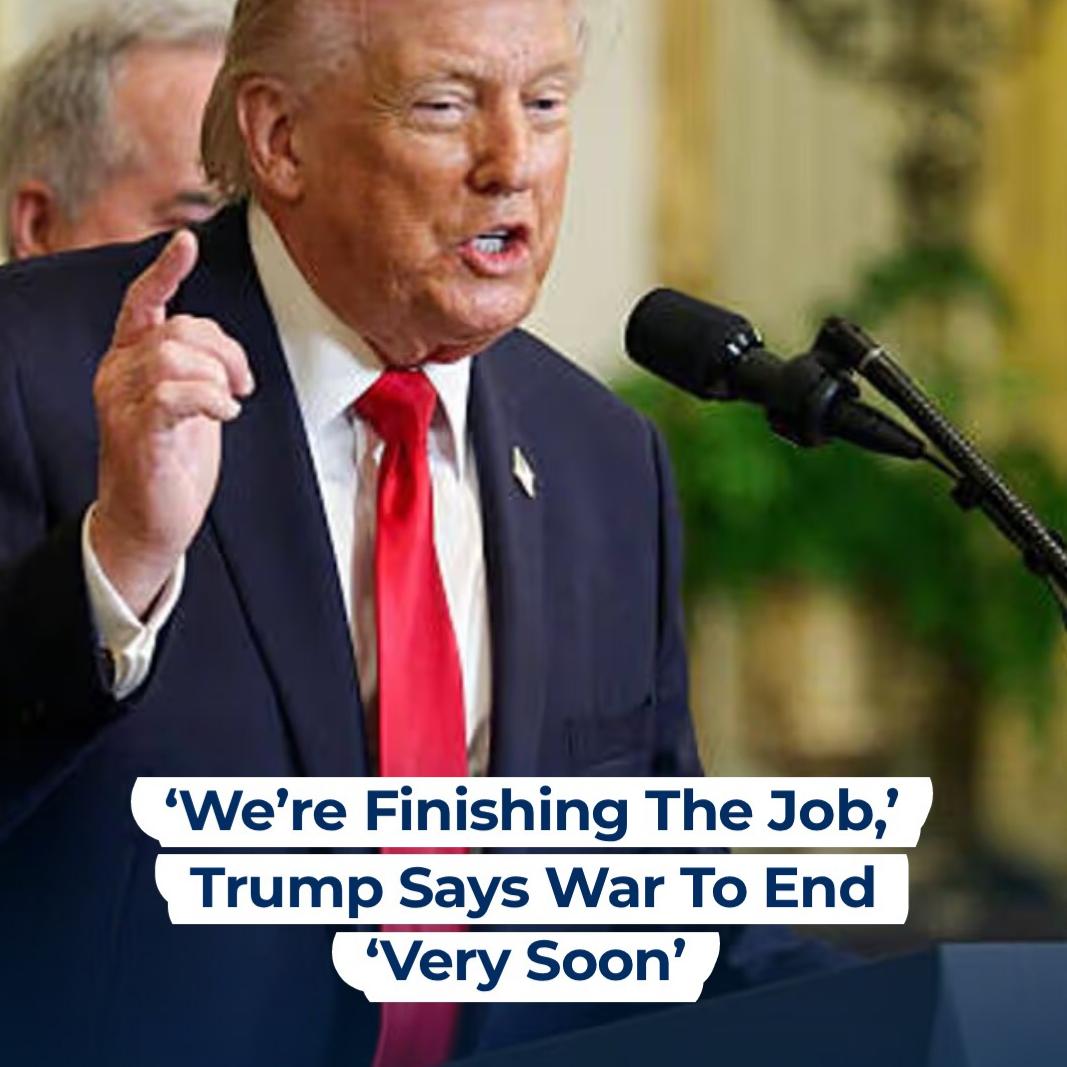
Asian stocks surged on Wednesday, April 1, 2026, after U.S. President Donald Trump said the ongoing Middle East war could be over in as little as two to three weeks and Tehran’s leadership indicated that Iran has the “necessary will” to see the conflict through to an end. The comments from both sides of the conflict offered a fresh wave of optimism in financial markets struggling with geopolitical uncertainty and spiking energy prices, lifting equities across the region and causing oil prices to fall sharply. Trump, speaking to reporters at the White House’s Oval Office late Tuesday, said the United States could conclude its military campaign against Iran within “two weeks, maybe two or three weeks.” He indicated that American forces would begin stepping back from direct involvement once core objectives were met and that a formal diplomatic agreement was not necessarily a prerequisite for ending combat. “We’ll be leaving very soon,” Trump said, reinforcing his administration’s view that the U.S. military role would be relatively short‑lived as strategic goals are achieved. In a separate response, Iranian President Masoud Pezeshkian told international officials that Tehran had the “necessary will” to bring the conflict to an end if guarantees are provided that it would not reignite. The comments were interpreted by markets as a potential opening for de‑escalation, even as Tehran maintained that no formal negotiations with Washington were ongoing.
Financial markets reacted enthusiastically to the pair of statements. Asian equities rallied broadly on Wednesday, with major indexes climbing as investors responded to the prospect of reduced geopolitical risk and potential normalization.
At the same time, oil prices which have been under heavy pressure due to supply disruptions from the conflict and the ongoing closure of the strategic Strait of Hormuz fell sharply on the shift in sentiment. Brent crude briefly dipped below key psychological levels before settling after volatile trading.
The current conflict began in late February 2026, when U.S. and allied forces launched strikes against Iranian military and strategic facilities, triggering a broader regional confrontation with multiple fronts and significant impacts on global energy markets and regional stability. Despite Trump’s optimistic timetable, analysts and Tehran both stressed that uncertainties remain about how and when the fighting will truly cease. Iranian officials have signalled readiness for continued resistance absent firm guarantees for the country’s security, suggesting that any cessation of hostilities could still be contingent on diplomatic conditions. The conflict has had far‑reaching economic consequences, including higher gasoline prices in the United States and inflation pressures in Europe, and concerns over sustained disruptions in oil flows through the Persian Gulf. Markets cheered the suggestion of a near‑term end to hostilities but remained cautious about the broader structural impact on energy security and geopolitical risk. Investors will closely monitor Trump’s scheduled prime‑time national address and further comments from Tehran for signals about the pace and durability of any de‑escalation. Energy markets and global equities alike remain sensitive to geopolitical developments and the status of key shipping routes such as the Strait of Hormuz.